

GIVE THE PERFECT GIFT
Erin Mills Town Centre Gift Cards are the perfect choice for your gift giving needs.Purchase gift cards at kiosks near the food court or centre court, at Guest Services, or click below to purchase online.PURCHASE HEREHome
the Censorship Effect: Baudelaire, Flaubert, and Formation of French Modernism
Indigo
Loading Inventory...
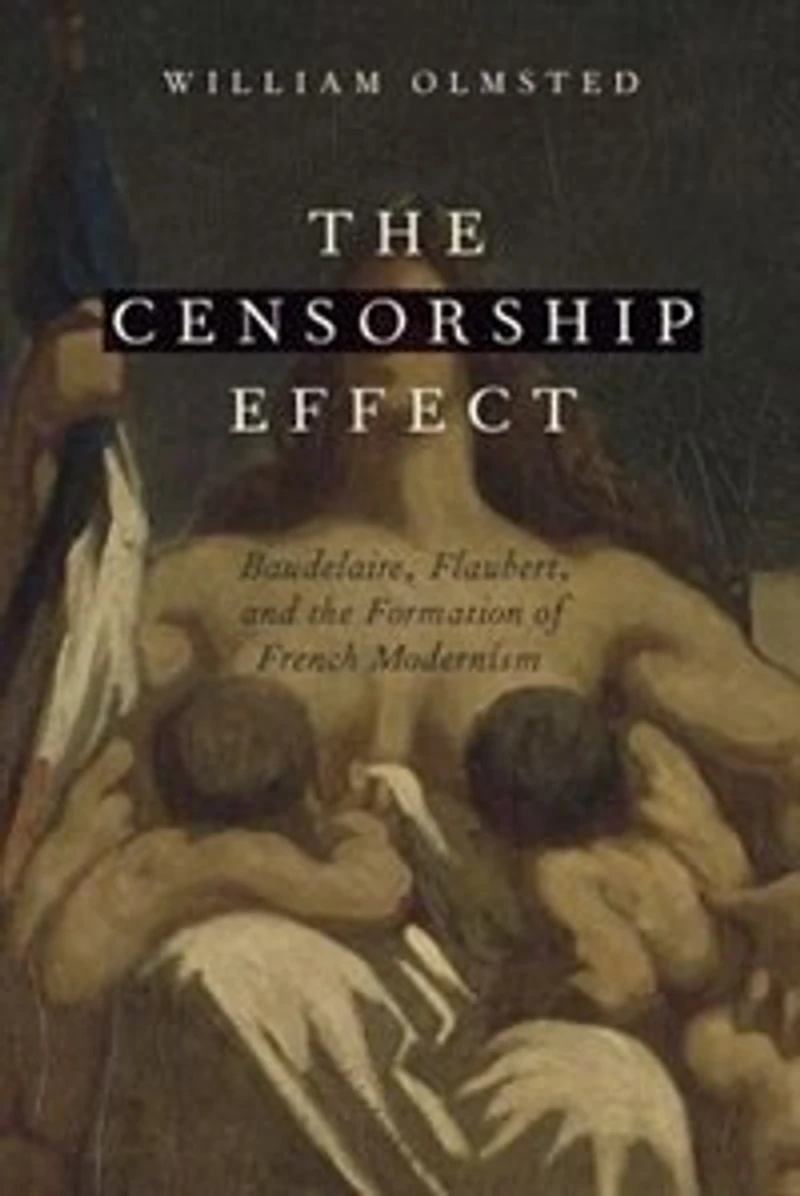
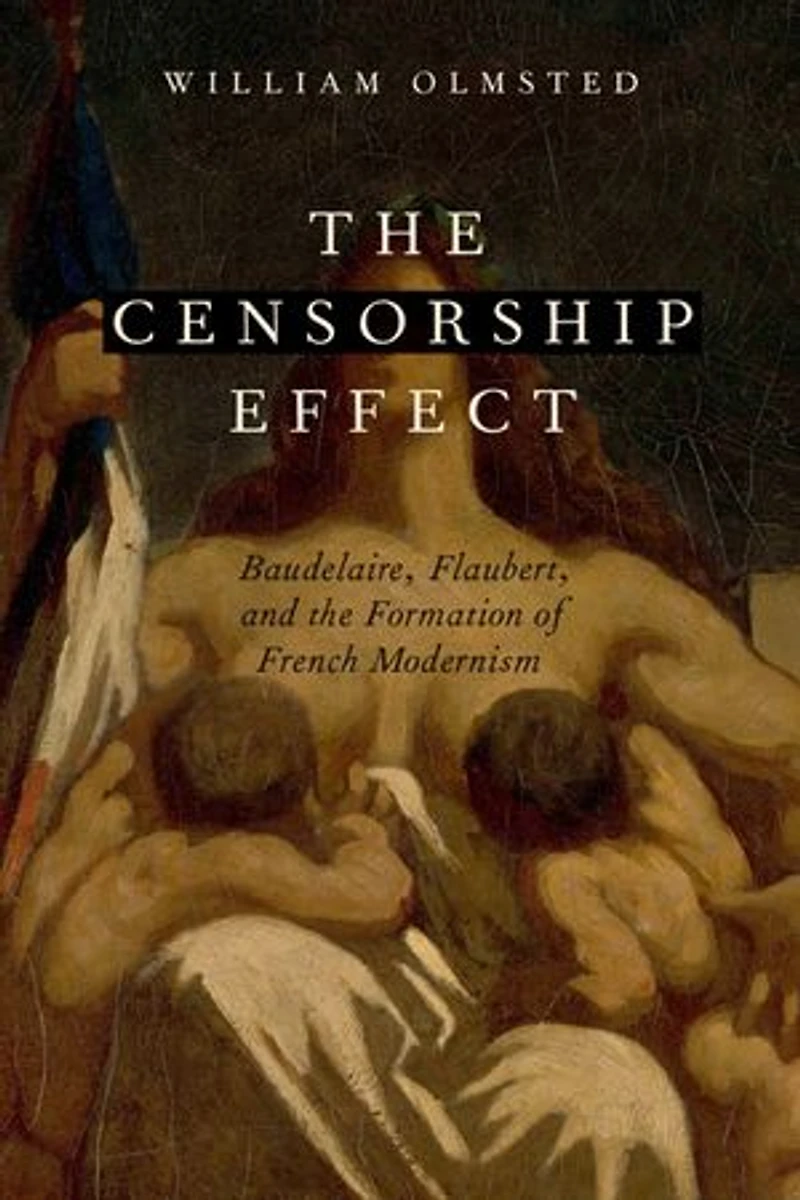
the Censorship Effect: Baudelaire, Flaubert, and Formation of French Modernism
Current price: $71.50

the Censorship Effect: Baudelaire, Flaubert, and Formation of French Modernism
Current price: $71.50
Loading Inventory...
Size: Hardcover
*Product information may vary - to confirm product availability, pricing, shipping and return information please contact Indigo
In 1857 the trials of Flaubert and Baudelaire for offending against religion and public morality drew attention to the features we now associate with literary modernism; but instead of winning praise for their innovations they were indicted for "ideological crimes." With the passage of time the offenses have been forgotten and the innovations inserted into a triumphal narrative about the rise of modernism.
Far from manifesting the autonomy proclaimed by modernism's defenders, though, Flaubert's and Baudelaire's works remain enmeshed in their socio-historical contexts. To that end, The Censorship Effect argues that the stylistic features that prompted the criminal indictment of Madame Bovary and Les Fleurs du Mal - Flaubert's free indirect style and Baudelaire's multiple poetic personae - were much more the products of an intense struggle with a culture of censorship than they were hallmarks of autonomous or autoreferential works of art. They exhibit signs of self-censorship and collaboration with a regime of ethical and political censorship that not only shaped their very composition but affected their reception and continues to operate in the field of literary criticism. Indeed, as William Olmsted compellingly demonstrates, French modernism begins and remains deeply embedded in a culture of censorship whose proprieties, both literary and social, Baudelaire and Flaubert nevertheless challenged and transgressed.
Exploring the censorship effect as it played out for Baudelaire and Flaubert, from their trials to their monuments, The Censorship Effect recaptures some sense of their original anger as well as its ongoing suppression by new orthodoxies and reveals how the effect of censorship has implications beyond Flaubert and Baudelaire, beyond authors, but for us as readers too.
In 1857 the trials of Flaubert and Baudelaire for offending against religion and public morality drew attention to the features we now associate with literary modernism; but instead of winning praise for their innovations they were indicted for "ideological crimes." With the passage of time the offenses have been forgotten and the innovations inserted into a triumphal narrative about the rise of modernism.
Far from manifesting the autonomy proclaimed by modernism's defenders, though, Flaubert's and Baudelaire's works remain enmeshed in their socio-historical contexts. To that end, The Censorship Effect argues that the stylistic features that prompted the criminal indictment of Madame Bovary and Les Fleurs du Mal - Flaubert's free indirect style and Baudelaire's multiple poetic personae - were much more the products of an intense struggle with a culture of censorship than they were hallmarks of autonomous or autoreferential works of art. They exhibit signs of self-censorship and collaboration with a regime of ethical and political censorship that not only shaped their very composition but affected their reception and continues to operate in the field of literary criticism. Indeed, as William Olmsted compellingly demonstrates, French modernism begins and remains deeply embedded in a culture of censorship whose proprieties, both literary and social, Baudelaire and Flaubert nevertheless challenged and transgressed.
Exploring the censorship effect as it played out for Baudelaire and Flaubert, from their trials to their monuments, The Censorship Effect recaptures some sense of their original anger as well as its ongoing suppression by new orthodoxies and reveals how the effect of censorship has implications beyond Flaubert and Baudelaire, beyond authors, but for us as readers too.
You May Also Like











More About Indigo at Erin Mills Town Centre
The largest book retailer in Canada also offers toys, music, home décor, gifts and lifestyle products. What's Inside...Books, Magazines, CD’s and DVD’s, Toys and Gifts, Home Accents, Electronics, Baby’s and Children’s Section, Bath and Body, Kitchen and Bedroom, Stationary Located outside in the exterior plaza.
5015 Glen Erin Dr, Mississauga, ON L5M 0R7, Canada
Find Indigo at Erin Mills Town Centre in Mississauga ON
Visit Indigo at Erin Mills Town Centre in Mississauga ON