

GIVE THE PERFECT GIFT
Erin Mills Town Centre Gift Cards are the perfect choice for your gift giving needs.Purchase gift cards at kiosks near the food court or centre court, at Guest Services, or click below to purchase online.PURCHASE HEREHome
The Chronicles of Two West African Kingdoms: The Tārīkh Ibn Al-Mukhtār of the Songhay Empire and the Tārīkh Al-Fattāsh of the Caliphate of Ḥamdallāhi
Indigo
Loading Inventory...
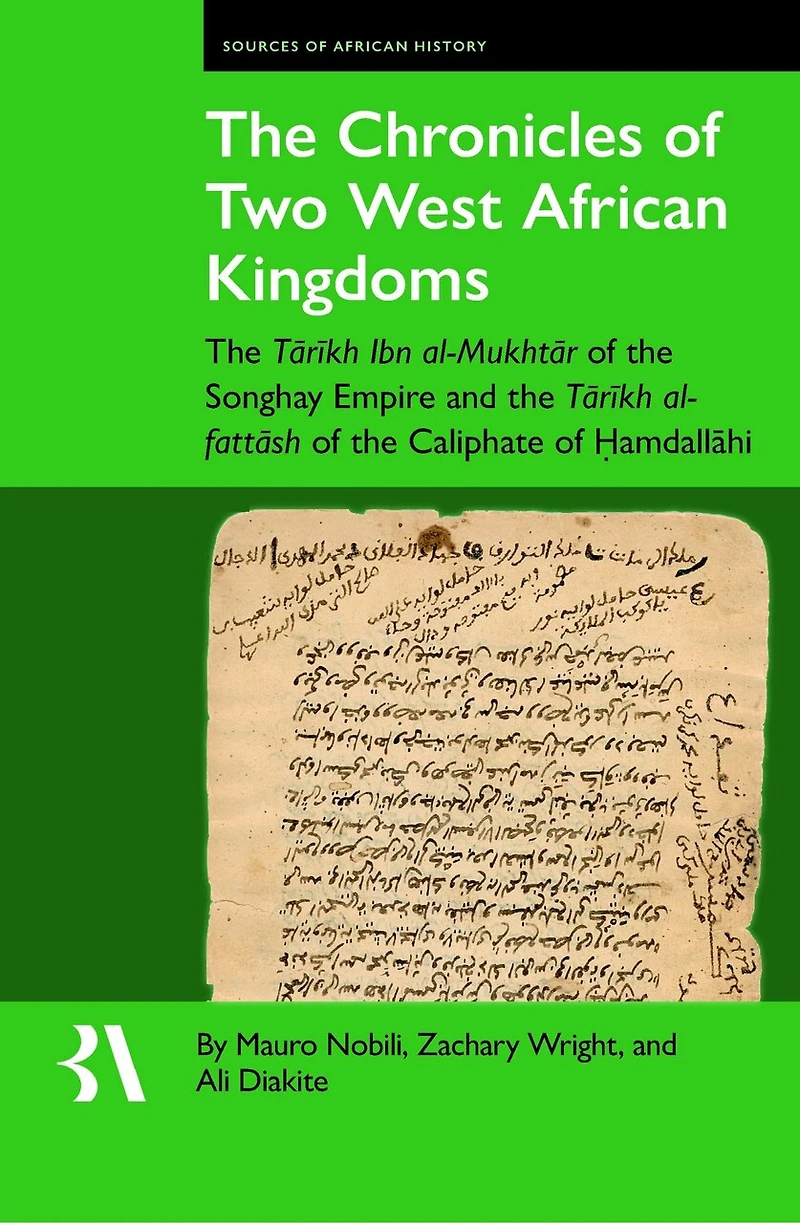
The Chronicles of Two West African Kingdoms: The Tārīkh Ibn Al-Mukhtār of the Songhay Empire and the Tārīkh Al-Fattāsh of the Caliphate of Ḥamdallāhi
Current price: $229.95

The Chronicles of Two West African Kingdoms: The Tārīkh Ibn Al-Mukhtār of the Songhay Empire and the Tārīkh Al-Fattāsh of the Caliphate of Ḥamdallāhi
Current price: $229.95
Loading Inventory...
Size: Hardcover
*Product information may vary - to confirm product availability, pricing, shipping and return information please contact Indigo
The Chronicles of Two West African Kingdoms presents a new reading of West African history from the fifteenth to the nineteenth centuries. Based on close analysis of Arabic manuscripts from Timbuktu and other regions, this volume provides key historical context from the Songhay Empire through the Caliphate of Ḥamdallāhi, along with translations and Arabic editions of the long-obscured Tārīkh Ibn al-Mukhtār in parallel with the later production known as the Tārīkh al-fattāsh. The central observation that emerges from these texts is that Muslim scholars in premodern West Africa, who saw themselves as constitutive to the powerful kingdoms in the Western Sudan, claimed almost unprecedented authority to shape reality through narration.
The Chronicles of Two West African Kingdoms presents a new reading of West African history from the fifteenth to the nineteenth centuries. Based on close analysis of Arabic manuscripts from Timbuktu and other regions, this volume provides key historical context from the Songhay Empire through the Caliphate of Ḥamdallāhi, along with translations and Arabic editions of the long-obscured Tārīkh Ibn al-Mukhtār in parallel with the later production known as the Tārīkh al-fattāsh. The central observation that emerges from these texts is that Muslim scholars in premodern West Africa, who saw themselves as constitutive to the powerful kingdoms in the Western Sudan, claimed almost unprecedented authority to shape reality through narration.
You May Also Like
![رحلةُ ابن العطَّار الشَّامي تحقيق ودراسة: [Riḥlat Ibn al-ʿAṭṭār al-Shāmī: Edition and Study]](https://cdn.mall.adeptmind.ai/https%253A%252F%252Fcdn.shopify.com%252Fs%252Ffiles%252F1%252F0655%252F8980%252F5233%252Ffiles%252F1_e03a381b-cc6f-4c7e-9170-a24860dad9af.jpg_medium.webp)







More About Indigo at Erin Mills Town Centre
The largest book retailer in Canada also offers toys, music, home décor, gifts and lifestyle products. What's Inside...Books, Magazines, CD’s and DVD’s, Toys and Gifts, Home Accents, Electronics, Baby’s and Children’s Section, Bath and Body, Kitchen and Bedroom, Stationary Located outside in the exterior plaza.
5015 Glen Erin Dr, Mississauga, ON L5M 0R7, Canada
Find Indigo at Erin Mills Town Centre in Mississauga ON
Visit Indigo at Erin Mills Town Centre in Mississauga ON