

GIVE THE PERFECT GIFT
Erin Mills Town Centre Gift Cards are the perfect choice for your gift giving needs.Purchase gift cards at kiosks near the food court or centre court, at Guest Services, or click below to purchase online.PURCHASE HEREHome
The Class Reunion—An Annotated Translation and Commentary on the Sumerian Dialogue Two Scribes
Indigo
Loading Inventory...
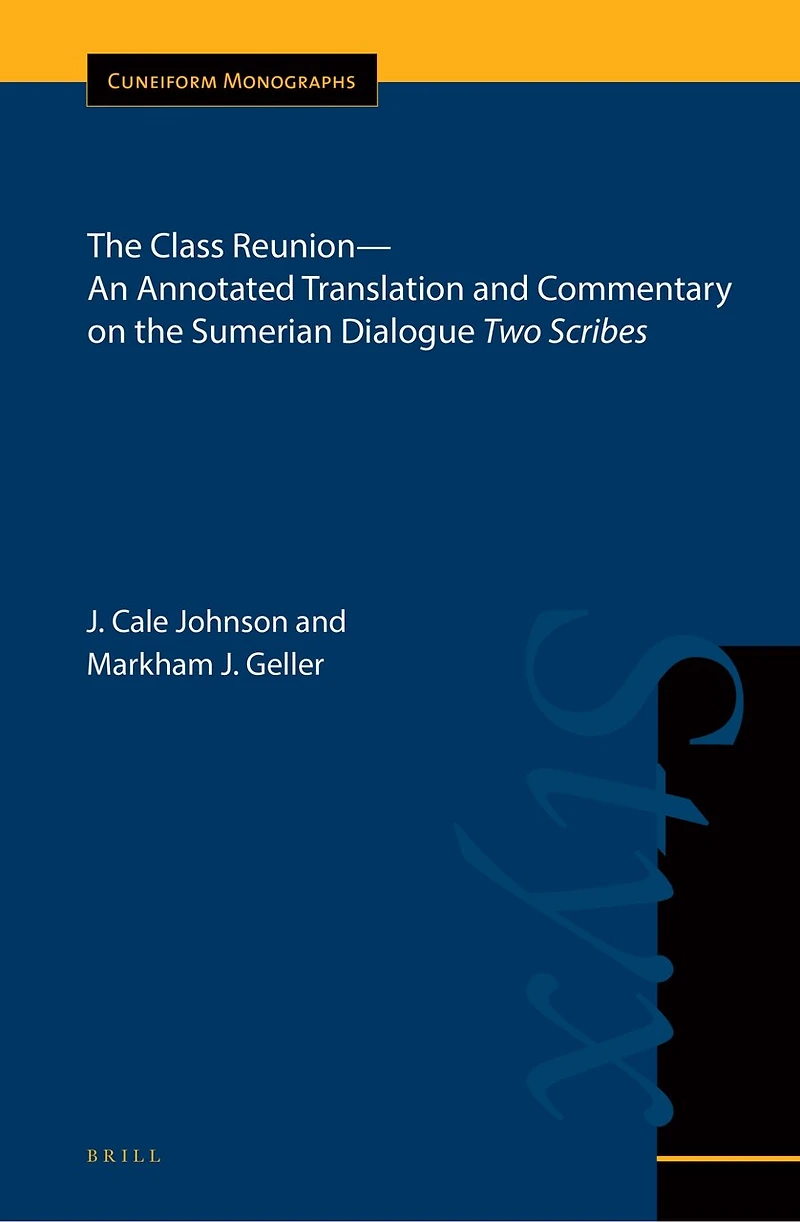
The Class Reunion—An Annotated Translation and Commentary on the Sumerian Dialogue Two Scribes
Current price: $280.99

The Class Reunion—An Annotated Translation and Commentary on the Sumerian Dialogue Two Scribes
Current price: $280.99
Loading Inventory...
Size: Hardcover
*Product information may vary - to confirm product availability, pricing, shipping and return information please contact Indigo
In The Class Reunion—An Annotated Translation and Commentary on the Sumerian Dialogue Two Scribes, J. Cale Johnson and Markham J. Geller present a critical edition, translation and commentary on the Sumerian scholastic dialogue otherwise known as Two Scribes, Streit zweier Schulabsolventen or Dialogue 1. The two protagonists, the Professor and the Bureaucrat, each ridicule their opponent in alternating speeches, while at the same time scoring points based on their detailed knowledge of Sumerian lexical and literary traditions. But they also represent the two social roles into which nearly all graduates of the Old Babylonian Tablet House typically gained entrance. So the dialogue also reflects on larger themes such as professional identity and the nature of scholastic activity in Mesopotamia in the Old Babylonian period (ca. 1800–1600 BCE).
In The Class Reunion—An Annotated Translation and Commentary on the Sumerian Dialogue Two Scribes, J. Cale Johnson and Markham J. Geller present a critical edition, translation and commentary on the Sumerian scholastic dialogue otherwise known as Two Scribes, Streit zweier Schulabsolventen or Dialogue 1. The two protagonists, the Professor and the Bureaucrat, each ridicule their opponent in alternating speeches, while at the same time scoring points based on their detailed knowledge of Sumerian lexical and literary traditions. But they also represent the two social roles into which nearly all graduates of the Old Babylonian Tablet House typically gained entrance. So the dialogue also reflects on larger themes such as professional identity and the nature of scholastic activity in Mesopotamia in the Old Babylonian period (ca. 1800–1600 BCE).
You May Also Like







More About Indigo at Erin Mills Town Centre
The largest book retailer in Canada also offers toys, music, home décor, gifts and lifestyle products. What's Inside...Books, Magazines, CD’s and DVD’s, Toys and Gifts, Home Accents, Electronics, Baby’s and Children’s Section, Bath and Body, Kitchen and Bedroom, Stationary Located outside in the exterior plaza.
5015 Glen Erin Dr, Mississauga, ON L5M 0R7, Canada
Find Indigo at Erin Mills Town Centre in Mississauga ON
Visit Indigo at Erin Mills Town Centre in Mississauga ON