

GIVE THE PERFECT GIFT
Erin Mills Town Centre Gift Cards are the perfect choice for your gift giving needs.Purchase gift cards at kiosks near the food court or centre court, at Guest Services, or click below to purchase online.PURCHASE HEREHome
The Classic Collection of Soren Kierkegaard: Fear and Trembling, Philosophical Fragments, Sickness Unto Death
Indigo
Loading Inventory...
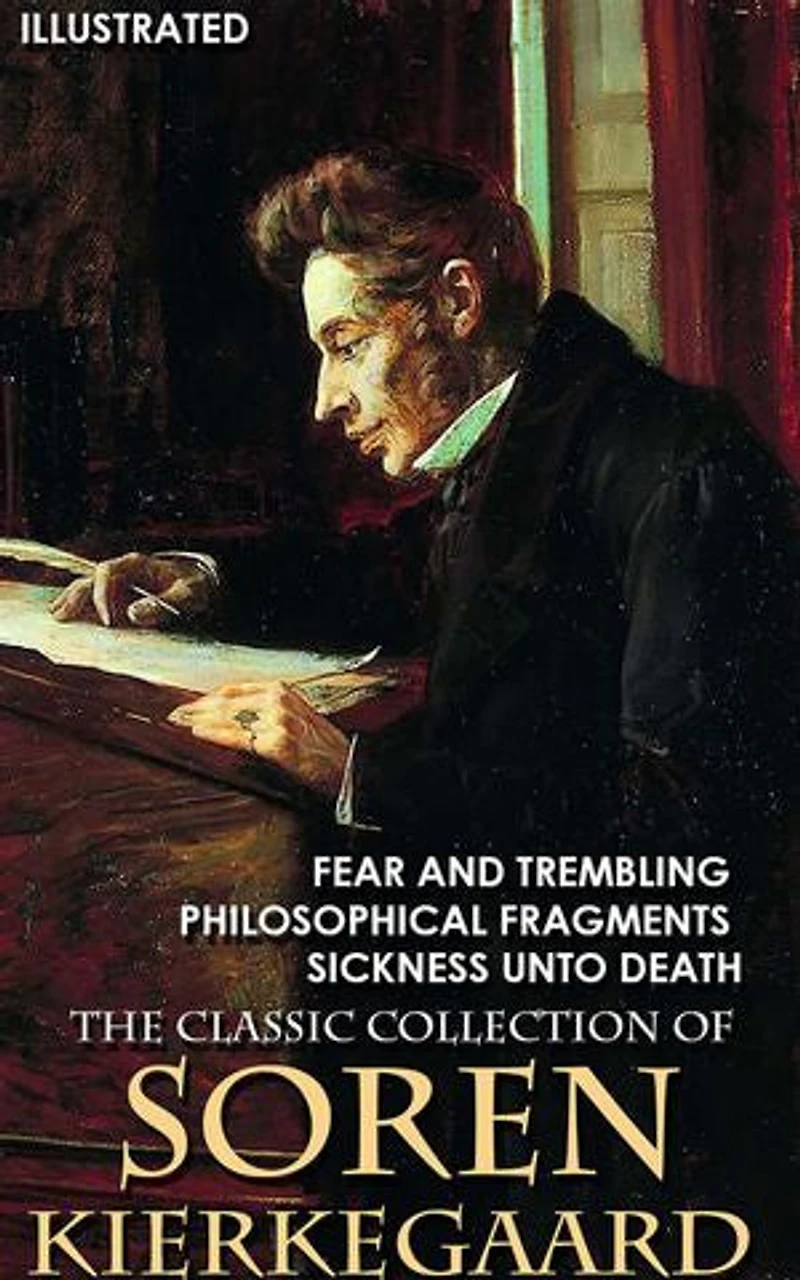
The Classic Collection of Soren Kierkegaard: Fear and Trembling, Philosophical Fragments, Sickness Unto Death
Current price: $0.99

The Classic Collection of Soren Kierkegaard: Fear and Trembling, Philosophical Fragments, Sickness Unto Death
Current price: $0.99
Loading Inventory...
Size: Kobo eBook
*Product information may vary - to confirm product availability, pricing, shipping and return information please contact Indigo
Soren Kierkegaard was a Danish theologian, philosopher, poet, social critic, and religious author who is widely considered to be the first existentialist philosopher. He wrote critical texts on organized religion, Christianity, morality, ethics, psychology, and the philosophy of religion, displaying a fondness for metaphor, irony, and parables. Much of his philosophical work deals with the issues of how one lives as a "single individual", giving priority to concrete human reality over abstract thinking and highlighting the importance of personal choice and commitment. He was against literary critics who defined idealist intellectuals and philosophers of his time, and thought that Swedenborg, Hegel, Fichte, Schelling, Schlegel, and Hans Christian Andersen were all "understood" far too quickly by "scholars". Contents: Fear and Trembling Philosophical Fragments Sickness Unto Death
Soren Kierkegaard was a Danish theologian, philosopher, poet, social critic, and religious author who is widely considered to be the first existentialist philosopher. He wrote critical texts on organized religion, Christianity, morality, ethics, psychology, and the philosophy of religion, displaying a fondness for metaphor, irony, and parables. Much of his philosophical work deals with the issues of how one lives as a "single individual", giving priority to concrete human reality over abstract thinking and highlighting the importance of personal choice and commitment. He was against literary critics who defined idealist intellectuals and philosophers of his time, and thought that Swedenborg, Hegel, Fichte, Schelling, Schlegel, and Hans Christian Andersen were all "understood" far too quickly by "scholars". Contents: Fear and Trembling Philosophical Fragments Sickness Unto Death
You May Also Like













More About Indigo at Erin Mills Town Centre
The largest book retailer in Canada also offers toys, music, home décor, gifts and lifestyle products. What's Inside...Books, Magazines, CD’s and DVD’s, Toys and Gifts, Home Accents, Electronics, Baby’s and Children’s Section, Bath and Body, Kitchen and Bedroom, Stationary Located outside in the exterior plaza.
5015 Glen Erin Dr, Mississauga, ON L5M 0R7, Canada
Find Indigo at Erin Mills Town Centre in Mississauga ON
Visit Indigo at Erin Mills Town Centre in Mississauga ON