

GIVE THE PERFECT GIFT
Erin Mills Town Centre Gift Cards are the perfect choice for your gift giving needs.Purchase gift cards at kiosks near the food court or centre court, at Guest Services, or click below to purchase online.PURCHASE HEREHome
The Cognitive Neuroscience of Reading: A Special Issue scientific Studies Reading
Indigo
Loading Inventory...
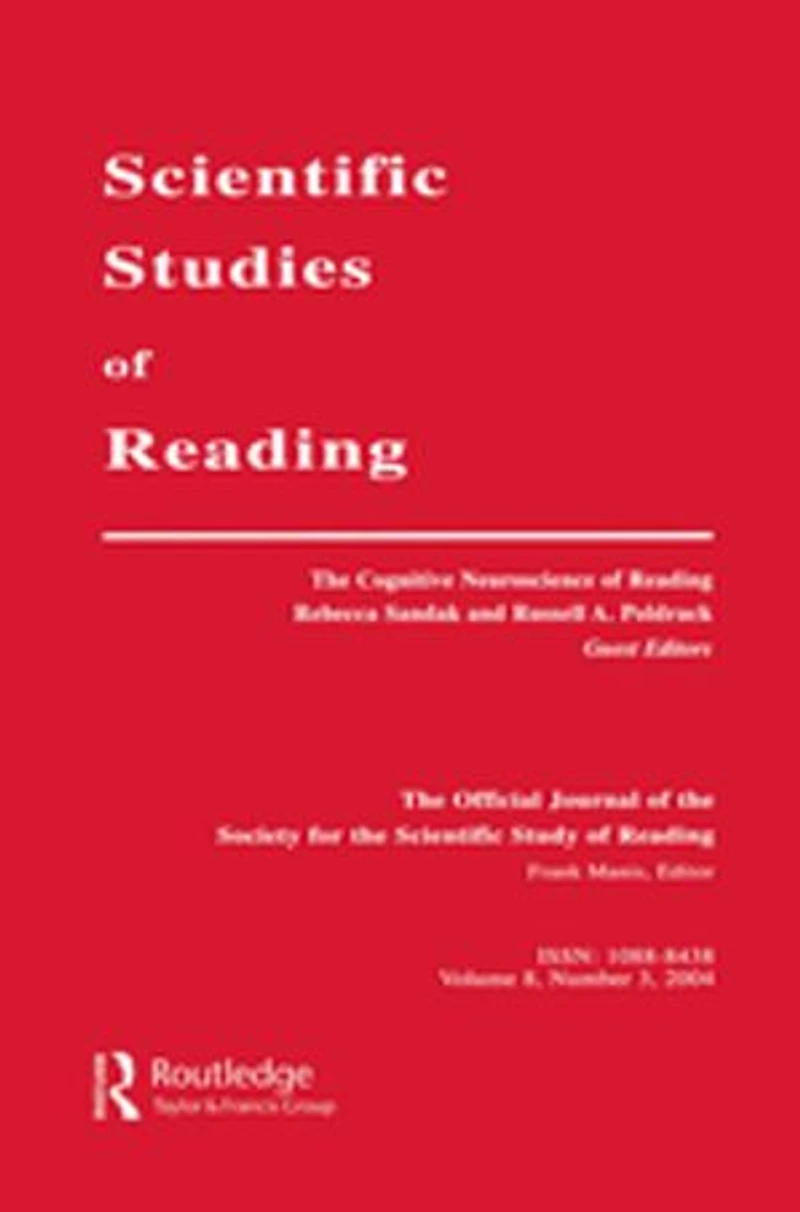
The Cognitive Neuroscience of Reading: A Special Issue scientific Studies Reading
Current price: $105.85

The Cognitive Neuroscience of Reading: A Special Issue scientific Studies Reading
Current price: $105.85
Loading Inventory...
Size: Kobo eBook
*Product information may vary - to confirm product availability, pricing, shipping and return information please contact Indigo
This special issue of Scientific Studies of Reading highlights the great deal of progress that has been made recently in understanding the neurobiological foundations of basic processes in reading. The papers demonstrate how functional neuroimaging techniques have provided novel insights into how reading works in the brain, and how these processes may be disorganized in reading disorders. Importantly, they illustrate that understanding how reading works in the brain is not a simple end-goal, but rather reveals new phenomena that will serve to constrain theories of reading. Although these articles make clear that full understanding of these processes is well off in the distance, the editors hope that they will inspire further collaboration between reading researchers and neuroscientists.
This special issue of Scientific Studies of Reading highlights the great deal of progress that has been made recently in understanding the neurobiological foundations of basic processes in reading. The papers demonstrate how functional neuroimaging techniques have provided novel insights into how reading works in the brain, and how these processes may be disorganized in reading disorders. Importantly, they illustrate that understanding how reading works in the brain is not a simple end-goal, but rather reveals new phenomena that will serve to constrain theories of reading. Although these articles make clear that full understanding of these processes is well off in the distance, the editors hope that they will inspire further collaboration between reading researchers and neuroscientists.
You May Also Like













More About Indigo at Erin Mills Town Centre
The largest book retailer in Canada also offers toys, music, home décor, gifts and lifestyle products. What's Inside...Books, Magazines, CD’s and DVD’s, Toys and Gifts, Home Accents, Electronics, Baby’s and Children’s Section, Bath and Body, Kitchen and Bedroom, Stationary Located outside in the exterior plaza.
5015 Glen Erin Dr, Mississauga, ON L5M 0R7, Canada
Find Indigo at Erin Mills Town Centre in Mississauga ON
Visit Indigo at Erin Mills Town Centre in Mississauga ON