

GIVE THE PERFECT GIFT
Erin Mills Town Centre Gift Cards are the perfect choice for your gift giving needs.Purchase gift cards at kiosks near the food court or centre court, at Guest Services, or click below to purchase online.PURCHASE HEREHome
the Courts of Deccan Sultanates: Living Well Persian Cosmopolis
Indigo
Loading Inventory...
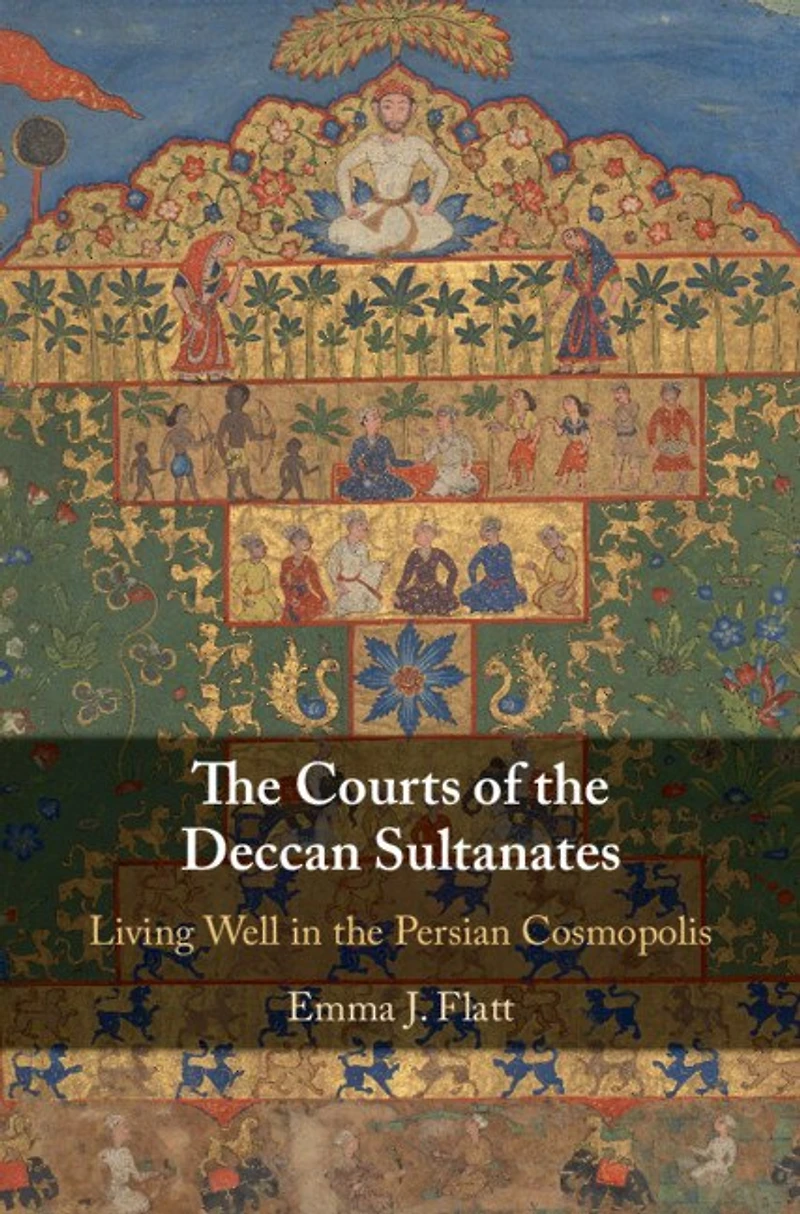
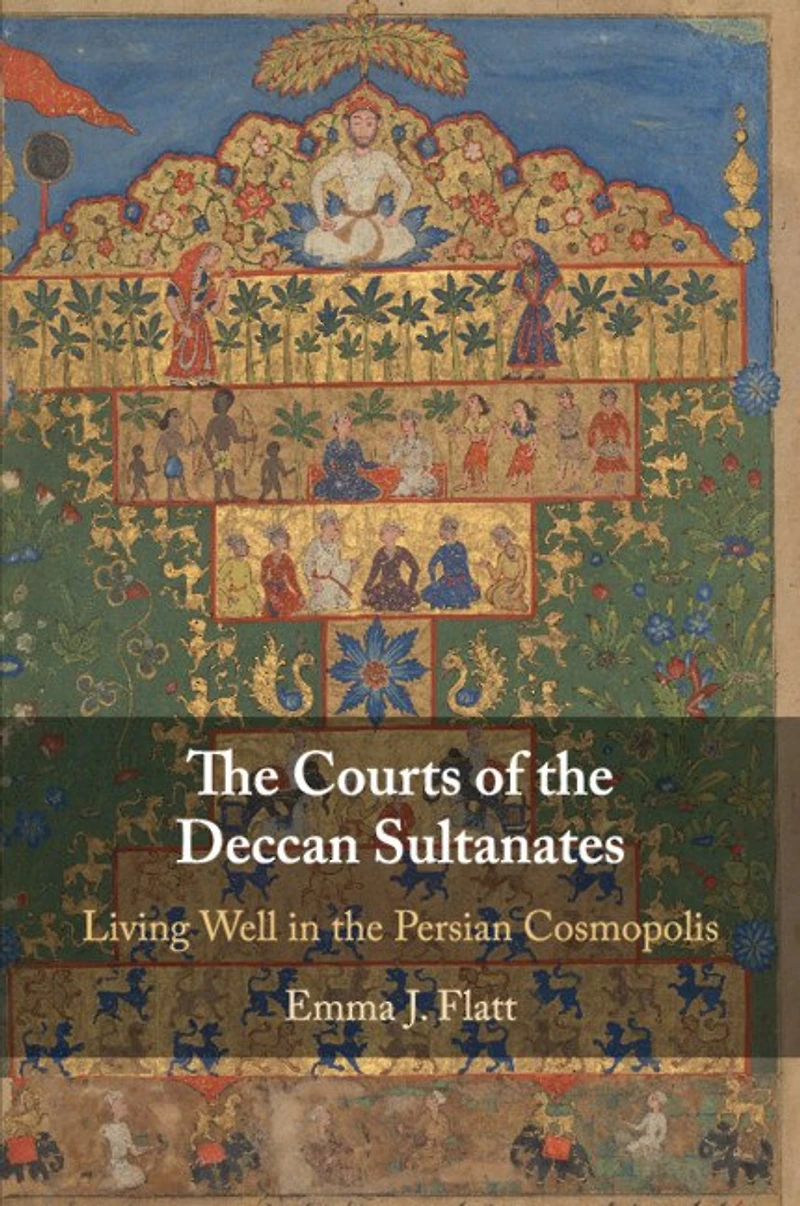
the Courts of Deccan Sultanates: Living Well Persian Cosmopolis
Current price: $145.95

the Courts of Deccan Sultanates: Living Well Persian Cosmopolis
Current price: $145.95
Loading Inventory...
Size: Hardcover
*Product information may vary - to confirm product availability, pricing, shipping and return information please contact Indigo
In the late fifteenth and sixteenth centuries, courtliness was crucial to the political and cultural life of the Deccan. Divided between six states competing for territory, resources and skills, the medieval and early modern Deccan was a region of striking ethnic, linguistic and religious diversity. People used multifaceted trans-regional networks - mercantile, kinship, friendship and intellectual - to move across the Persian-speaking world and to find employment at the Deccan courts. This movement, Emma J. Flatt argues, was facilitated by the existence of a shared courtly disposition. Engagement in courtly skills such as letter-writing, perfume-making, astrological divination, performing magic, sword-fighting and wrestling thus became a route to both worldly success and ethical refinement. Using a diverse range of treatises, chronicles, poetry and letters, Flatt unpicks the ways this challenged networks of acceptable behaviour and knowledge in the Indo-Islamicate courtly world - and challenges the idea of perpetual hostility between Islam and Hinduism in Indian history.
In the late fifteenth and sixteenth centuries, courtliness was crucial to the political and cultural life of the Deccan. Divided between six states competing for territory, resources and skills, the medieval and early modern Deccan was a region of striking ethnic, linguistic and religious diversity. People used multifaceted trans-regional networks - mercantile, kinship, friendship and intellectual - to move across the Persian-speaking world and to find employment at the Deccan courts. This movement, Emma J. Flatt argues, was facilitated by the existence of a shared courtly disposition. Engagement in courtly skills such as letter-writing, perfume-making, astrological divination, performing magic, sword-fighting and wrestling thus became a route to both worldly success and ethical refinement. Using a diverse range of treatises, chronicles, poetry and letters, Flatt unpicks the ways this challenged networks of acceptable behaviour and knowledge in the Indo-Islamicate courtly world - and challenges the idea of perpetual hostility between Islam and Hinduism in Indian history.
You May Also Like












More About Indigo at Erin Mills Town Centre
The largest book retailer in Canada also offers toys, music, home décor, gifts and lifestyle products. What's Inside...Books, Magazines, CD’s and DVD’s, Toys and Gifts, Home Accents, Electronics, Baby’s and Children’s Section, Bath and Body, Kitchen and Bedroom, Stationary Located outside in the exterior plaza.
5015 Glen Erin Dr, Mississauga, ON L5M 0R7, Canada
Find Indigo at Erin Mills Town Centre in Mississauga ON
Visit Indigo at Erin Mills Town Centre in Mississauga ON