

GIVE THE PERFECT GIFT
Erin Mills Town Centre Gift Cards are the perfect choice for your gift giving needs.Purchase gift cards at kiosks near the food court or centre court, at Guest Services, or click below to purchase online.PURCHASE HEREHome
The Criminalisation of Irregular Migration Europe: Globalisation, Deterrence, and Vicious Cycles
Indigo
Loading Inventory...
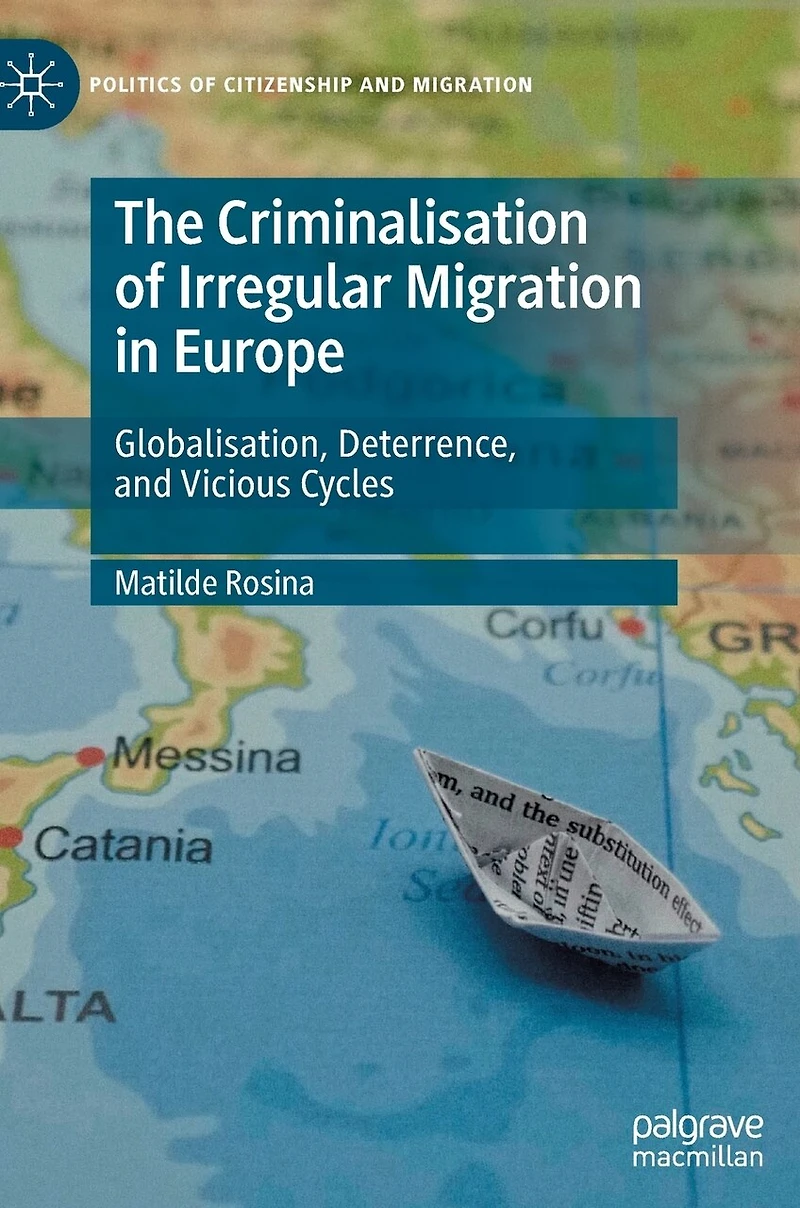
The Criminalisation of Irregular Migration Europe: Globalisation, Deterrence, and Vicious Cycles
Current price: $204.50

The Criminalisation of Irregular Migration Europe: Globalisation, Deterrence, and Vicious Cycles
Current price: $204.50
Loading Inventory...
Size: Hardcover
*Product information may vary - to confirm product availability, pricing, shipping and return information please contact Indigo
This book explores the criminalisation of irregular migration in Europe. In particular, it investigates the meaning, purpose, and consequences of criminalising unauthorised entry and stay. From a theoretical perspective, the book adds to the debate on the persistence of irregular migration, despite governments' attempts at deterring it, by taking an interdisciplinary approach that draws from international political economy and criminology. Using Italy and France as case studies, and relying on previously unreleased data and interviews, it argues that criminalisation has no effect on migratory flows, and that this is due to factors including the latter's structural determinants and the likely creation of substitution effects. Furthermore, criminalisation is found to lead to adverse consequences, including by contributing to vicious cycles of irregularity and insecurity.
This book explores the criminalisation of irregular migration in Europe. In particular, it investigates the meaning, purpose, and consequences of criminalising unauthorised entry and stay. From a theoretical perspective, the book adds to the debate on the persistence of irregular migration, despite governments' attempts at deterring it, by taking an interdisciplinary approach that draws from international political economy and criminology. Using Italy and France as case studies, and relying on previously unreleased data and interviews, it argues that criminalisation has no effect on migratory flows, and that this is due to factors including the latter's structural determinants and the likely creation of substitution effects. Furthermore, criminalisation is found to lead to adverse consequences, including by contributing to vicious cycles of irregularity and insecurity.
You May Also Like













More About Indigo at Erin Mills Town Centre
The largest book retailer in Canada also offers toys, music, home décor, gifts and lifestyle products. What's Inside...Books, Magazines, CD’s and DVD’s, Toys and Gifts, Home Accents, Electronics, Baby’s and Children’s Section, Bath and Body, Kitchen and Bedroom, Stationary Located outside in the exterior plaza.
5015 Glen Erin Dr, Mississauga, ON L5M 0R7, Canada
Find Indigo at Erin Mills Town Centre in Mississauga ON
Visit Indigo at Erin Mills Town Centre in Mississauga ON