

GIVE THE PERFECT GIFT
Erin Mills Town Centre Gift Cards are the perfect choice for your gift giving needs.Purchase gift cards at kiosks near the food court or centre court, at Guest Services, or click below to purchase online.PURCHASE HEREHome
the 'Crossed-Out God' Asia-Pacific: Religious Efficacy of Public Spheres
Indigo
Loading Inventory...
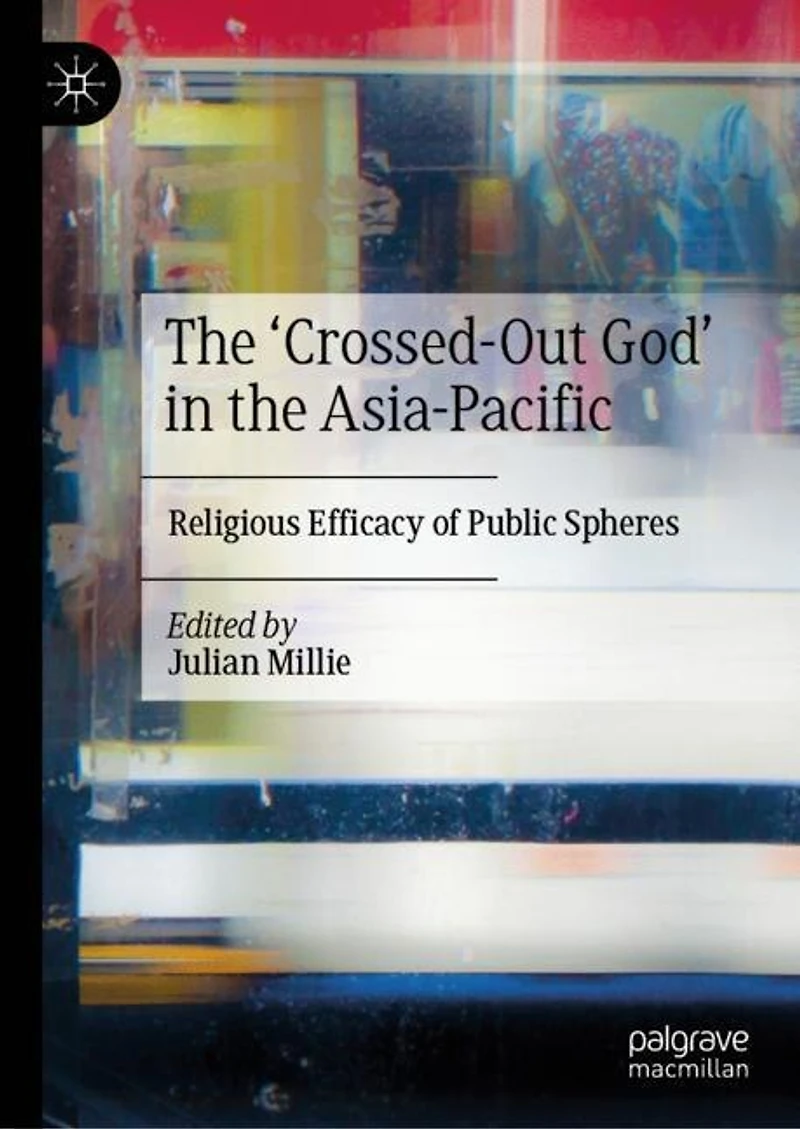
the 'Crossed-Out God' Asia-Pacific: Religious Efficacy of Public Spheres
Current price: $204.50

the 'Crossed-Out God' Asia-Pacific: Religious Efficacy of Public Spheres
Current price: $204.50
Loading Inventory...
Size: Hardcover
*Product information may vary - to confirm product availability, pricing, shipping and return information please contact Indigo
This book explores the evaluations made by religious groups and individuals about the potential of public spheres for religious practice, focussing upon public religion in societies of the Asia-Pacific. Across this region we observe a resurgence of religious traditions, increasing mediatisation of religion, and an inward turn toward conservative political programs. Against this background, relations between religion and public domains are critical influences upon civic inclusion and equal citizenship. In contrast to conventional approaches to religion and public life that focus upon the public potential of religion, chapter authors focus upon the religious potential of public domains, taking the perspectives of religious actors as their points of departure. The book's chapters capture the dynamic nexus between religion and politics in Asia-Pacific public spheres: why would Indonesia's minority Shiite movement strive to develop a public profile in a national environment whereit attracts widespread disapproval? What constructions of religion and public space make Banaras so unconducive to female mobility? Why does the success of the social services wing of Australia's Salvation Army create anxiety for its religious wing? What is at stake for followers of Australian Spiritualism when they attend spirit-medium sessions? How are popular Islamic preachers vulnerable to action from Indonesia's civil society organisations? What do media representations of Hajj pilgrimage by Indonesia's presidents have in common with middle-class representations of gender? Why did Indonesia's traditionalist Muslim intellectuals draw heavily upon the ideas of Jürgen Habermas in their theorisations of state-society relations? An epilogue by the Indonesian neo-traditionalist intellectual Ahmad Baso, the most prominent theorist of state-religion relations in that country, overviews the issues against the background of that country's religious and political histories.
This book explores the evaluations made by religious groups and individuals about the potential of public spheres for religious practice, focussing upon public religion in societies of the Asia-Pacific. Across this region we observe a resurgence of religious traditions, increasing mediatisation of religion, and an inward turn toward conservative political programs. Against this background, relations between religion and public domains are critical influences upon civic inclusion and equal citizenship. In contrast to conventional approaches to religion and public life that focus upon the public potential of religion, chapter authors focus upon the religious potential of public domains, taking the perspectives of religious actors as their points of departure. The book's chapters capture the dynamic nexus between religion and politics in Asia-Pacific public spheres: why would Indonesia's minority Shiite movement strive to develop a public profile in a national environment whereit attracts widespread disapproval? What constructions of religion and public space make Banaras so unconducive to female mobility? Why does the success of the social services wing of Australia's Salvation Army create anxiety for its religious wing? What is at stake for followers of Australian Spiritualism when they attend spirit-medium sessions? How are popular Islamic preachers vulnerable to action from Indonesia's civil society organisations? What do media representations of Hajj pilgrimage by Indonesia's presidents have in common with middle-class representations of gender? Why did Indonesia's traditionalist Muslim intellectuals draw heavily upon the ideas of Jürgen Habermas in their theorisations of state-society relations? An epilogue by the Indonesian neo-traditionalist intellectual Ahmad Baso, the most prominent theorist of state-religion relations in that country, overviews the issues against the background of that country's religious and political histories.
You May Also Like








More About Indigo at Erin Mills Town Centre
The largest book retailer in Canada also offers toys, music, home décor, gifts and lifestyle products. What's Inside...Books, Magazines, CD’s and DVD’s, Toys and Gifts, Home Accents, Electronics, Baby’s and Children’s Section, Bath and Body, Kitchen and Bedroom, Stationary Located outside in the exterior plaza.
5015 Glen Erin Dr, Mississauga, ON L5M 0R7, Canada
Find Indigo at Erin Mills Town Centre in Mississauga ON
Visit Indigo at Erin Mills Town Centre in Mississauga ON