

GIVE THE PERFECT GIFT
Erin Mills Town Centre Gift Cards are the perfect choice for your gift giving needs.Purchase gift cards at kiosks near the food court or centre court, at Guest Services, or click below to purchase online.PURCHASE HEREHome
The Dancing Girl: Autobiographical Novel
Indigo
Loading Inventory...
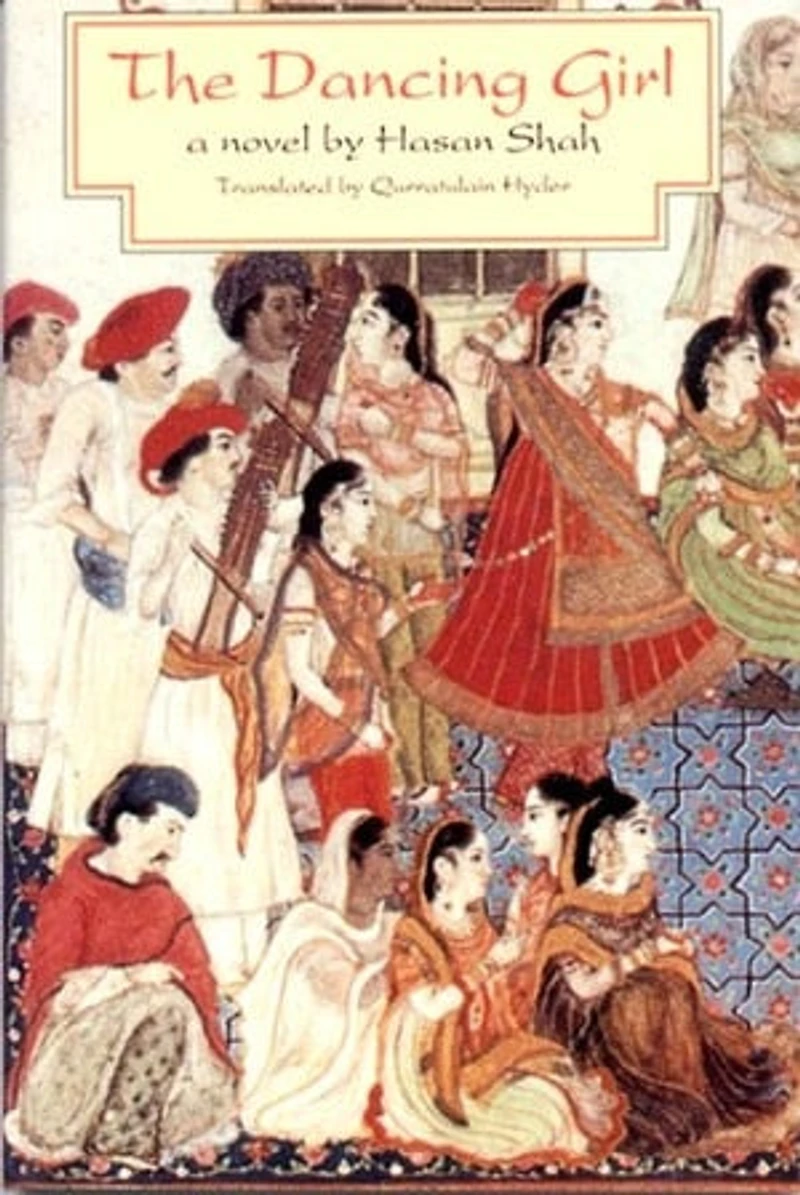
The Dancing Girl: Autobiographical Novel
Current price: $22.95

The Dancing Girl: Autobiographical Novel
Current price: $22.95
Loading Inventory...
Size: Paperback
*Product information may vary - to confirm product availability, pricing, shipping and return information please contact Indigo
Written in 1790, Hasan Shah’s autobiographical romance, The Dancing Girl , is remarkable for both its lyrical prose and its fine recreation of a time, a place, and a culture––India in the 1780s, a tolerant, affable era before the full establishment of British colonial rule. The Dancing Girl tells of the doomed love of Hasan Shah (aide-de-camp to a British officer) and Khanum Jan (a courageous and gifted dancer of the courtesan caste) whose secret marriage could not prevent their separation. At Khanum Jan’s death, her grief-striken husband turned his raw emotion into a surprisingly modern, first-person narrative “without realizing,” as leading Urdu novelist Qurratulain Hyder observes in the foreword to her translation (from the 1893 Urdu translation of the original Persian), “that he had become a pioneer of the modern Indian novel.”
Written in 1790, Hasan Shah’s autobiographical romance, The Dancing Girl , is remarkable for both its lyrical prose and its fine recreation of a time, a place, and a culture––India in the 1780s, a tolerant, affable era before the full establishment of British colonial rule. The Dancing Girl tells of the doomed love of Hasan Shah (aide-de-camp to a British officer) and Khanum Jan (a courageous and gifted dancer of the courtesan caste) whose secret marriage could not prevent their separation. At Khanum Jan’s death, her grief-striken husband turned his raw emotion into a surprisingly modern, first-person narrative “without realizing,” as leading Urdu novelist Qurratulain Hyder observes in the foreword to her translation (from the 1893 Urdu translation of the original Persian), “that he had become a pioneer of the modern Indian novel.”
You May Also Like







More About Indigo at Erin Mills Town Centre
The largest book retailer in Canada also offers toys, music, home décor, gifts and lifestyle products. What's Inside...Books, Magazines, CD’s and DVD’s, Toys and Gifts, Home Accents, Electronics, Baby’s and Children’s Section, Bath and Body, Kitchen and Bedroom, Stationary Located outside in the exterior plaza.
5015 Glen Erin Dr, Mississauga, ON L5M 0R7, Canada
Find Indigo at Erin Mills Town Centre in Mississauga ON
Visit Indigo at Erin Mills Town Centre in Mississauga ON