

GIVE THE PERFECT GIFT
Erin Mills Town Centre Gift Cards are the perfect choice for your gift giving needs.Purchase gift cards at kiosks near the food court or centre court, at Guest Services, or click below to purchase online.PURCHASE HEREHome
The Dead Cannot Reply: Suicide Nineteenth- and Twentieth-Century English Literature
Indigo
Loading Inventory...

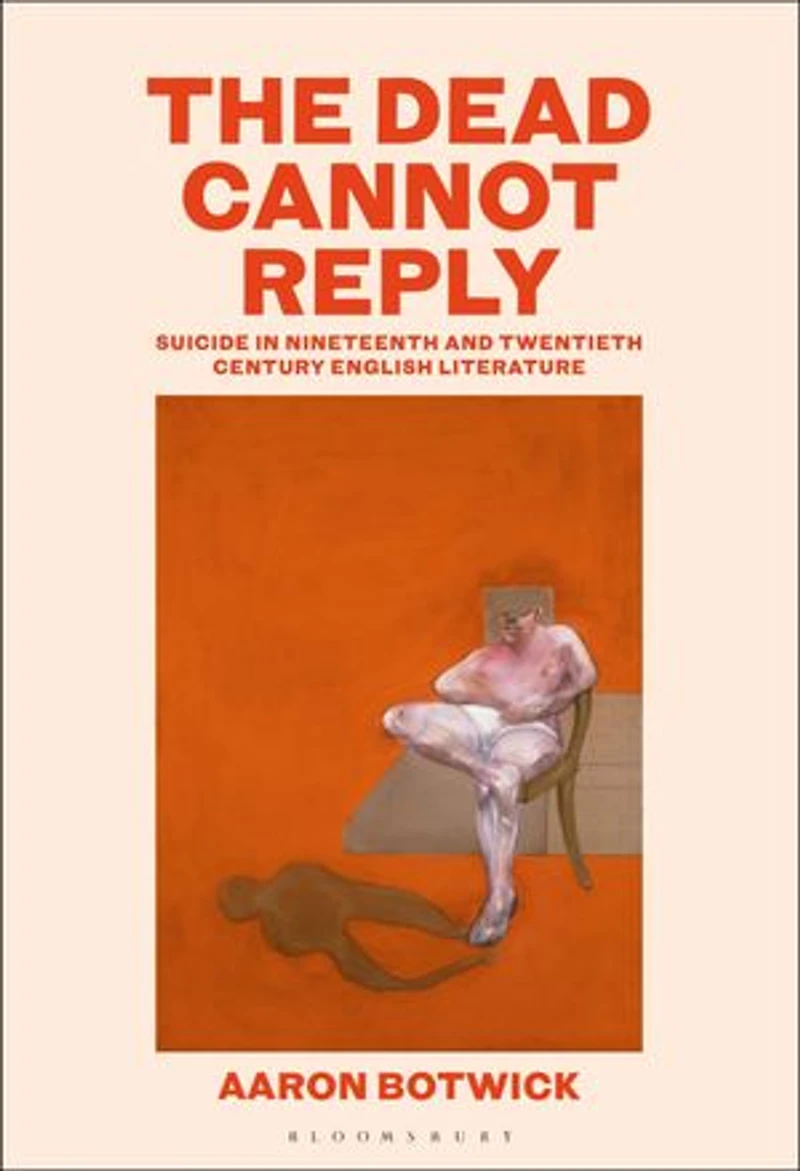
The Dead Cannot Reply: Suicide Nineteenth- and Twentieth-Century English Literature
Current price: $146.50

The Dead Cannot Reply: Suicide Nineteenth- and Twentieth-Century English Literature
Current price: $146.50
Loading Inventory...
Size: Hardcover
*Product information may vary - to confirm product availability, pricing, shipping and return information please contact Indigo
An intellectual and literary history of the professionalization of suicidology at the turn of the 20th century which shows that fiction played a significant role in the transformation of the debates on voluntary death. In 19th-century England, the main point of contention around suicide was the punishment. Should "self-murderers" still be staked through the heart? Should the crown continue to seize their assets? In the 20th century, the questions shifted to motives: Why does someone commit suicide? What does it feel like to be suicidal? And can these questions, asked about a subject who is no longer present, be answered without their testimony? As The Dead Cannot Reply shows, the emphasis shifted from effects to causes. Fiction, unbound by factual truth, offers an ideal space for these debates. Nicholas Nickleby , Jane Eyre , and Daniel Deronda illustrate the 19th-century understanding of suicide as a public event whose meaning is located in its meaning for others. The Man of Property and The Good Soldier confront the limits of our understanding on the subject. Mrs. Dalloway imagines what it feels like to take the leap, and Golden Age detective fiction, like Émile Durkheim and his contemporaries, finds the answer to suicide in the suicidal "type." Meanwhile, D.H. Lawrence, like Sigmund Freud, identifies a self-destructive urge, or a death drive, in modern man. The Dead Cannot Reply combines close readings of major Victorian and modernist novels alongside popular and scientific texts on suicide to examine how questions of teleology, causality, and phenomenology were answered in the English imagination.
An intellectual and literary history of the professionalization of suicidology at the turn of the 20th century which shows that fiction played a significant role in the transformation of the debates on voluntary death. In 19th-century England, the main point of contention around suicide was the punishment. Should "self-murderers" still be staked through the heart? Should the crown continue to seize their assets? In the 20th century, the questions shifted to motives: Why does someone commit suicide? What does it feel like to be suicidal? And can these questions, asked about a subject who is no longer present, be answered without their testimony? As The Dead Cannot Reply shows, the emphasis shifted from effects to causes. Fiction, unbound by factual truth, offers an ideal space for these debates. Nicholas Nickleby , Jane Eyre , and Daniel Deronda illustrate the 19th-century understanding of suicide as a public event whose meaning is located in its meaning for others. The Man of Property and The Good Soldier confront the limits of our understanding on the subject. Mrs. Dalloway imagines what it feels like to take the leap, and Golden Age detective fiction, like Émile Durkheim and his contemporaries, finds the answer to suicide in the suicidal "type." Meanwhile, D.H. Lawrence, like Sigmund Freud, identifies a self-destructive urge, or a death drive, in modern man. The Dead Cannot Reply combines close readings of major Victorian and modernist novels alongside popular and scientific texts on suicide to examine how questions of teleology, causality, and phenomenology were answered in the English imagination.
You May Also Like










More About Indigo at Erin Mills Town Centre
The largest book retailer in Canada also offers toys, music, home décor, gifts and lifestyle products. What's Inside...Books, Magazines, CD’s and DVD’s, Toys and Gifts, Home Accents, Electronics, Baby’s and Children’s Section, Bath and Body, Kitchen and Bedroom, Stationary Located outside in the exterior plaza.
5015 Glen Erin Dr, Mississauga, ON L5M 0R7, Canada
Find Indigo at Erin Mills Town Centre in Mississauga ON
Visit Indigo at Erin Mills Town Centre in Mississauga ON