

GIVE THE PERFECT GIFT
Erin Mills Town Centre Gift Cards are the perfect choice for your gift giving needs.Purchase gift cards at kiosks near the food court or centre court, at Guest Services, or click below to purchase online.PURCHASE HEREHome
The Deadly Intersections of COVID-19: Race, States, Inequalities and Global Society
Indigo
Loading Inventory...

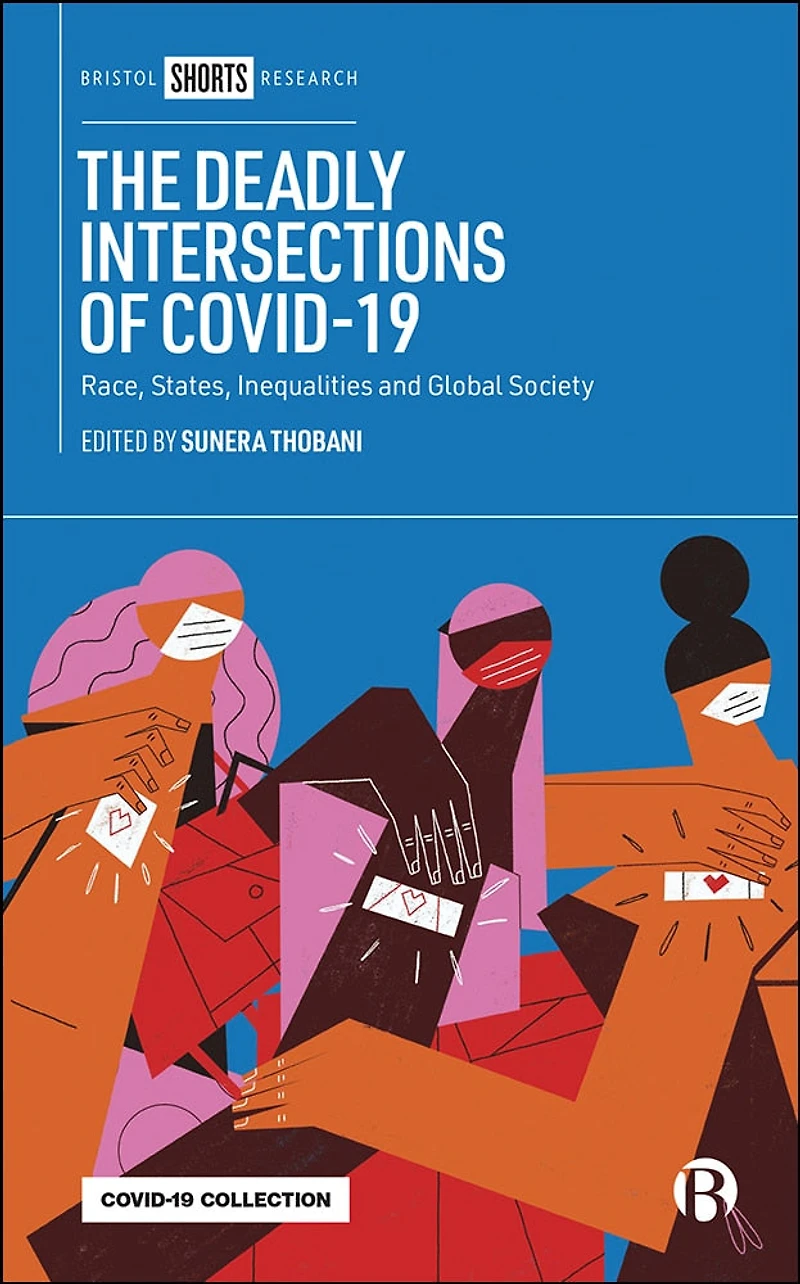
The Deadly Intersections of COVID-19: Race, States, Inequalities and Global Society
Current price: $32.59
Original price: $40.65

The Deadly Intersections of COVID-19: Race, States, Inequalities and Global Society
Current price: $32.59
Original price: $40.65
Loading Inventory...
Size: Kobo eBook
*Product information may vary - to confirm product availability, pricing, shipping and return information please contact Indigo
This pioneering book demonstrates the disproportionate impact of state responses to COVID-19 on racially marginalized communities.
Written by women and queer people of colour academics and activists, the book analyses pandemic lockdowns, border controls, vaccine trials, income support and access to healthcare across eight countries in North America, Asia, Australasia and Europe, to reveal the inequities within, and between countries.
Putting intersectionality and economic justice at the heart of their frameworks, the authors call for collective action to end the pandemic and transform global inequities.
Contributing to debates around the effects of COVID-19 – as well as racial capitalism and neoliberal globalization at large – this research is invaluable in informing future policy.
This pioneering book demonstrates the disproportionate impact of state responses to COVID-19 on racially marginalized communities.
Written by women and queer people of colour academics and activists, the book analyses pandemic lockdowns, border controls, vaccine trials, income support and access to healthcare across eight countries in North America, Asia, Australasia and Europe, to reveal the inequities within, and between countries.
Putting intersectionality and economic justice at the heart of their frameworks, the authors call for collective action to end the pandemic and transform global inequities.
Contributing to debates around the effects of COVID-19 – as well as racial capitalism and neoliberal globalization at large – this research is invaluable in informing future policy.
You May Also Like












More About Indigo at Erin Mills Town Centre
The largest book retailer in Canada also offers toys, music, home décor, gifts and lifestyle products. What's Inside...Books, Magazines, CD’s and DVD’s, Toys and Gifts, Home Accents, Electronics, Baby’s and Children’s Section, Bath and Body, Kitchen and Bedroom, Stationary Located outside in the exterior plaza.
5015 Glen Erin Dr, Mississauga, ON L5M 0R7, Canada
Find Indigo at Erin Mills Town Centre in Mississauga ON
Visit Indigo at Erin Mills Town Centre in Mississauga ON