

GIVE THE PERFECT GIFT
Erin Mills Town Centre Gift Cards are the perfect choice for your gift giving needs.Purchase gift cards at kiosks near the food court or centre court, at Guest Services, or click below to purchase online.PURCHASE HEREHome
The Discipline of Western Supremacy: Modes Foreign Relations and Political Economy, Volume III
Indigo
Loading Inventory...
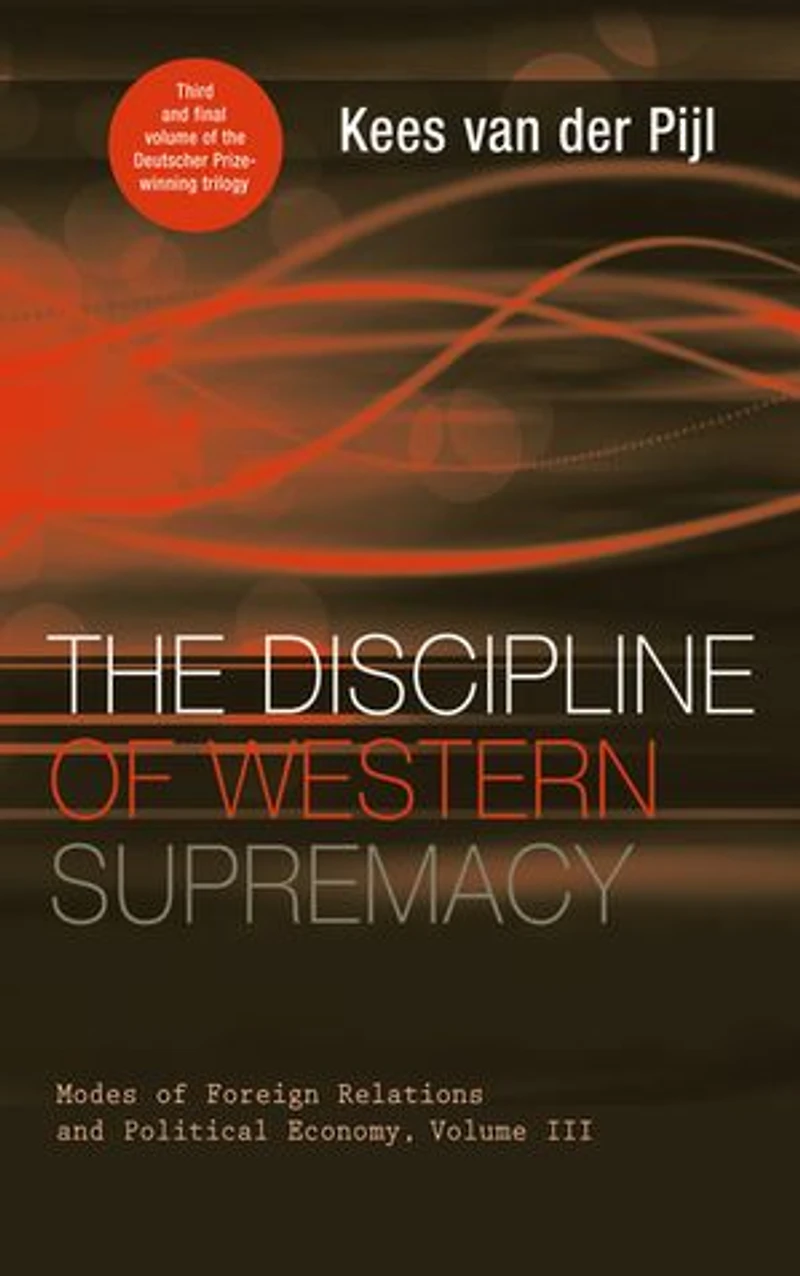
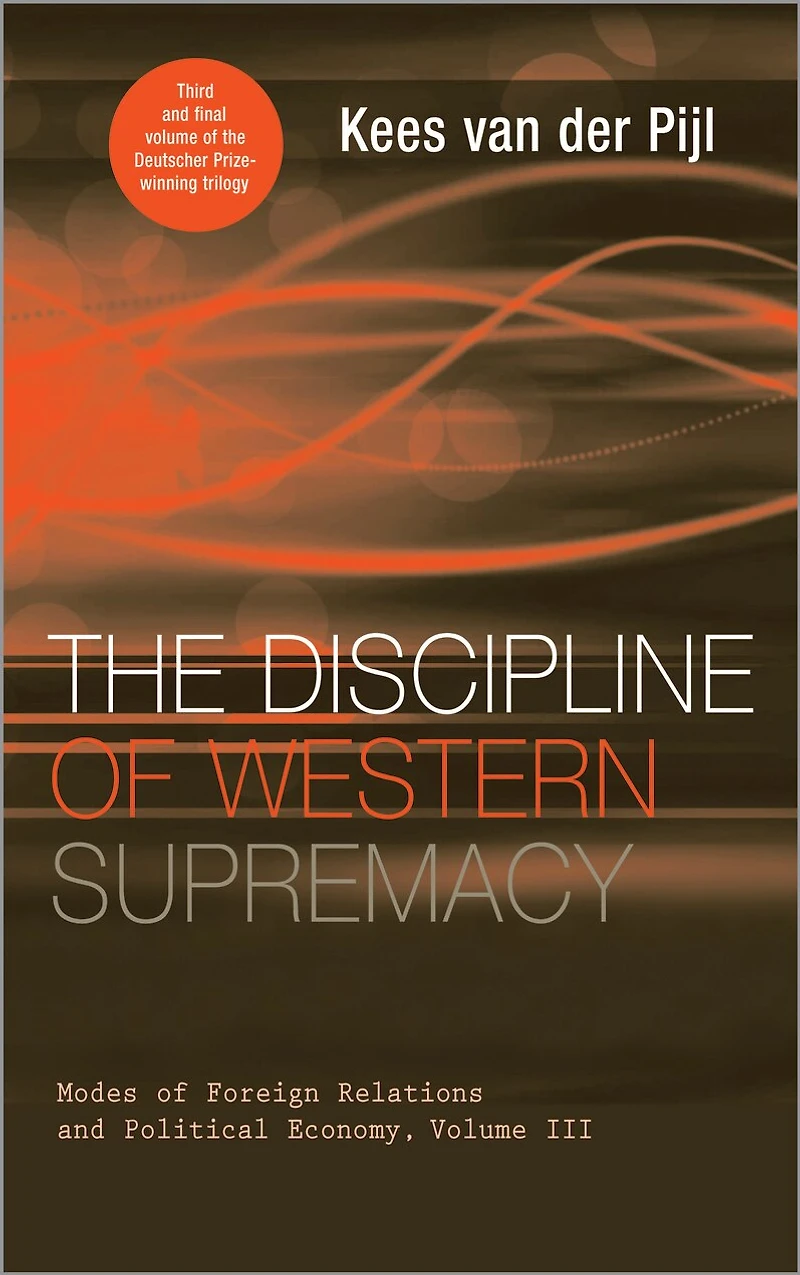
The Discipline of Western Supremacy: Modes Foreign Relations and Political Economy, Volume III
Current price: $35.89
Original price: $44.79

The Discipline of Western Supremacy: Modes Foreign Relations and Political Economy, Volume III
Current price: $35.89
Original price: $44.79
Loading Inventory...
Size: Kobo eBook
*Product information may vary - to confirm product availability, pricing, shipping and return information please contact Indigo
Concluding the Deutscher Memorial Prize winning trilogy on 'Modes of Foreign Relations and Political Economy', this is a magisterial historical sociology of International Relations theory.
In The Discipline of Western Supremacy Kees van der Pijl argues that, from the late European Middle Ages, Anglophone thinkers articulated an imperial world-view which was adopted by aspirant elites elsewhere. Nation-state formation under the auspices of the English-speaking West has henceforth informed thinking about international affairs. After decolonisation the study of comparative politics continued to develop under those same auspices as part of a comprehensive framework.
As the first major sociological analysis of the field of International Relations, this book advances a comprehensive overview of mainstream IR as a set of theories which translate Western supremacy into intellectual hegemony.
Concluding the Deutscher Memorial Prize winning trilogy on 'Modes of Foreign Relations and Political Economy', this is a magisterial historical sociology of International Relations theory.
In The Discipline of Western Supremacy Kees van der Pijl argues that, from the late European Middle Ages, Anglophone thinkers articulated an imperial world-view which was adopted by aspirant elites elsewhere. Nation-state formation under the auspices of the English-speaking West has henceforth informed thinking about international affairs. After decolonisation the study of comparative politics continued to develop under those same auspices as part of a comprehensive framework.
As the first major sociological analysis of the field of International Relations, this book advances a comprehensive overview of mainstream IR as a set of theories which translate Western supremacy into intellectual hegemony.
You May Also Like














More About Indigo at Erin Mills Town Centre
The largest book retailer in Canada also offers toys, music, home décor, gifts and lifestyle products. What's Inside...Books, Magazines, CD’s and DVD’s, Toys and Gifts, Home Accents, Electronics, Baby’s and Children’s Section, Bath and Body, Kitchen and Bedroom, Stationary Located outside in the exterior plaza.
5015 Glen Erin Dr, Mississauga, ON L5M 0R7, Canada
Find Indigo at Erin Mills Town Centre in Mississauga ON
Visit Indigo at Erin Mills Town Centre in Mississauga ON