

GIVE THE PERFECT GIFT
Erin Mills Town Centre Gift Cards are the perfect choice for your gift giving needs.Purchase gift cards at kiosks near the food court or centre court, at Guest Services, or click below to purchase online.PURCHASE HEREHome
the Double Game: Demise of America's First Missile Defense System and Rise Strategic Arms Limitation
Indigo
Loading Inventory...
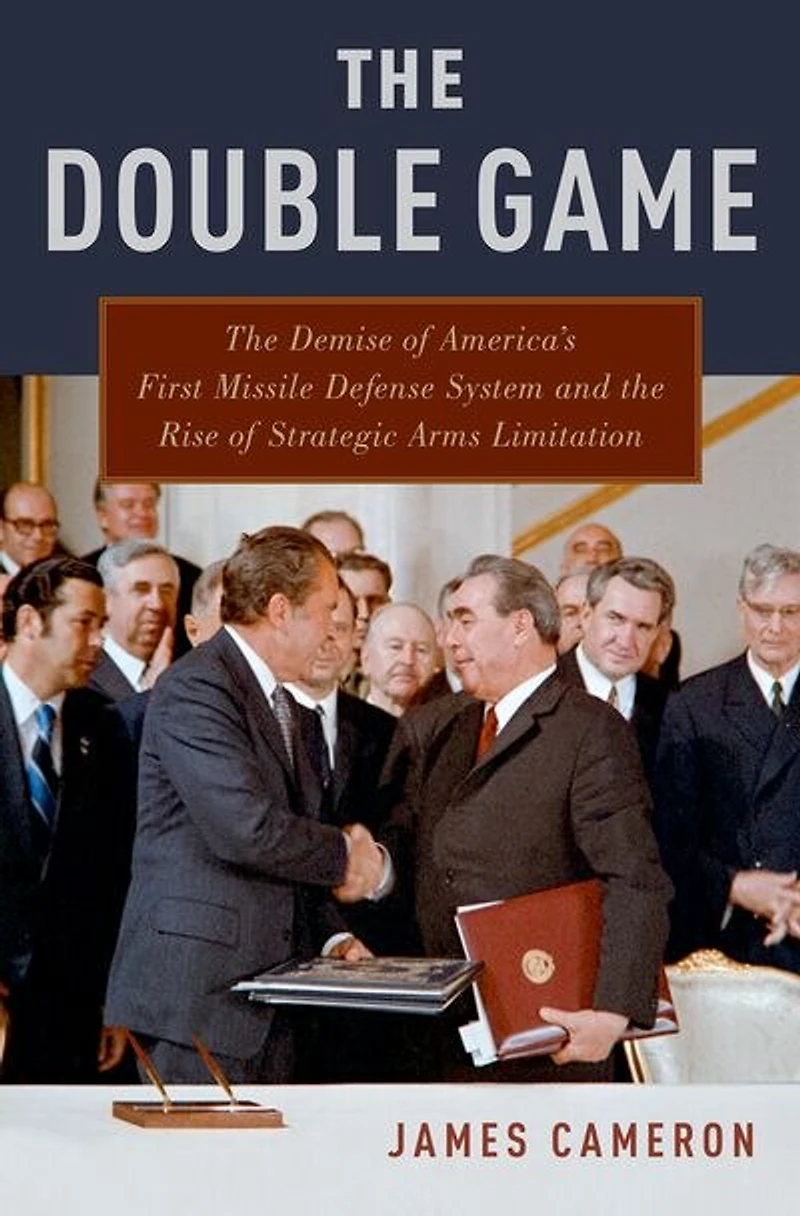
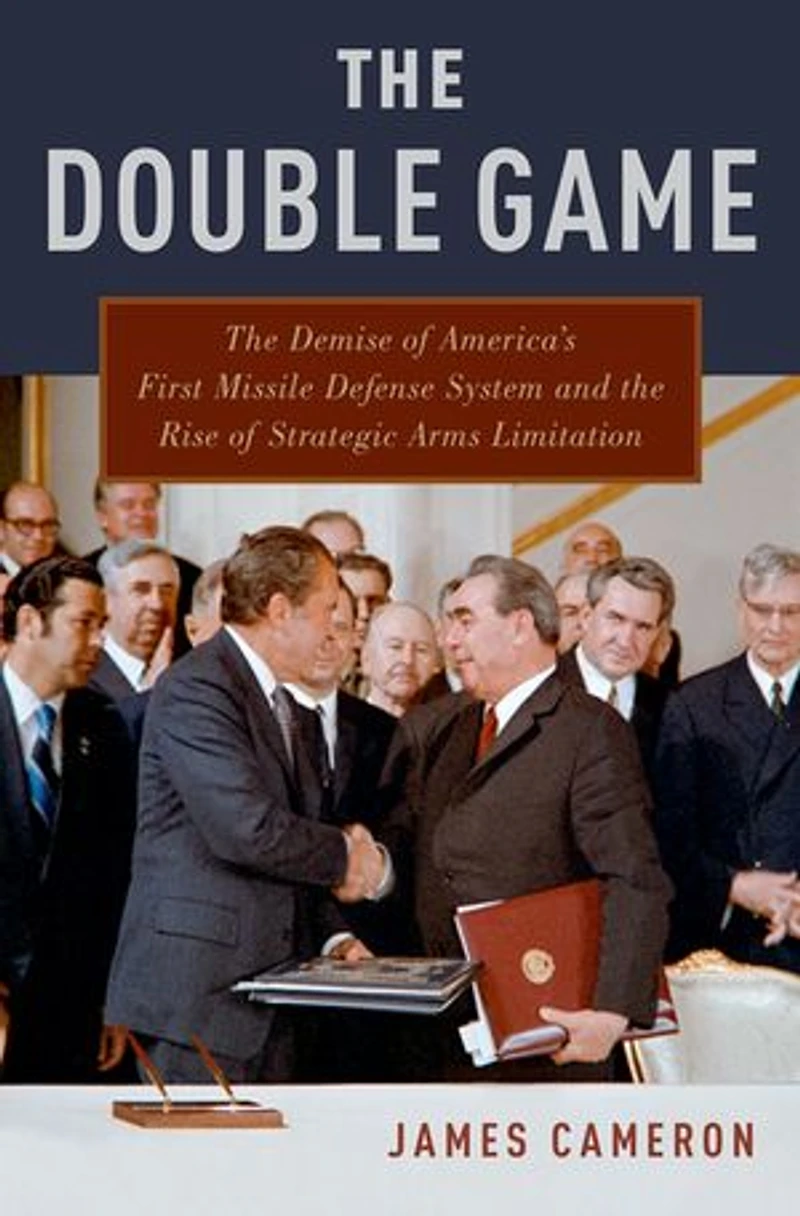
the Double Game: Demise of America's First Missile Defense System and Rise Strategic Arms Limitation
Current price: $81.50

the Double Game: Demise of America's First Missile Defense System and Rise Strategic Arms Limitation
Current price: $81.50
Loading Inventory...
Size: Hardcover
*Product information may vary - to confirm product availability, pricing, shipping and return information please contact Indigo
How did the United States move from position of nuclear superiority over the Soviet Union at the beginning of the 1960s to a period of arms control based on nuclear parity the doctrine of mutual assured destruction in 1972? Drawing on declassified records of conversations between three presidents and their most trusted advisors, this book provides a new and fascinating answer to this question. John F. Kennedy, Lyndon Johnson, and Richard Nixon struggled to reconcile their own personal convictions on the nuclear arms race with the very different views of the public and Congress. In doing so they engaged in a double game, hiding their true beliefs behind a façade of strategic language while grappling in private with the complex realities of the nuclear age.
The book shows how Kennedy and Johnson consistently worried about the domestic political costs of their actions, pushing ahead with an anti-ballistic missile (ABM) system for the United States for fear of the domestic political consequences of scrapping both the system and the doctrine of strategic superiority on which it was based. By contrast, the abrupt change in U.S. public and congressional opinion in 1969 forced Nixon to give up America's first ABM and the U.S. lead in offensive ballistic missiles through agreements with the Soviet Union, despite his conviction that the U.S. needed a nuclear edge over the USSR to maintain the security of the West.
By placing this dynamic at the center of the story, the book provides a completely new overarching interpretation of this pivotal period in the development of U.S. nuclear policy.
How did the United States move from position of nuclear superiority over the Soviet Union at the beginning of the 1960s to a period of arms control based on nuclear parity the doctrine of mutual assured destruction in 1972? Drawing on declassified records of conversations between three presidents and their most trusted advisors, this book provides a new and fascinating answer to this question. John F. Kennedy, Lyndon Johnson, and Richard Nixon struggled to reconcile their own personal convictions on the nuclear arms race with the very different views of the public and Congress. In doing so they engaged in a double game, hiding their true beliefs behind a façade of strategic language while grappling in private with the complex realities of the nuclear age.
The book shows how Kennedy and Johnson consistently worried about the domestic political costs of their actions, pushing ahead with an anti-ballistic missile (ABM) system for the United States for fear of the domestic political consequences of scrapping both the system and the doctrine of strategic superiority on which it was based. By contrast, the abrupt change in U.S. public and congressional opinion in 1969 forced Nixon to give up America's first ABM and the U.S. lead in offensive ballistic missiles through agreements with the Soviet Union, despite his conviction that the U.S. needed a nuclear edge over the USSR to maintain the security of the West.
By placing this dynamic at the center of the story, the book provides a completely new overarching interpretation of this pivotal period in the development of U.S. nuclear policy.
You May Also Like
















More About Indigo at Erin Mills Town Centre
The largest book retailer in Canada also offers toys, music, home décor, gifts and lifestyle products. What's Inside...Books, Magazines, CD’s and DVD’s, Toys and Gifts, Home Accents, Electronics, Baby’s and Children’s Section, Bath and Body, Kitchen and Bedroom, Stationary Located outside in the exterior plaza.
5015 Glen Erin Dr, Mississauga, ON L5M 0R7, Canada
Find Indigo at Erin Mills Town Centre in Mississauga ON
Visit Indigo at Erin Mills Town Centre in Mississauga ON