

GIVE THE PERFECT GIFT
Erin Mills Town Centre Gift Cards are the perfect choice for your gift giving needs.Purchase gift cards at kiosks near the food court or centre court, at Guest Services, or click below to purchase online.PURCHASE HEREHome
the Dynamics of Bureaucracy US Government: How Congress and Federal Agencies Process Information Solve Problems
Indigo
Loading Inventory...
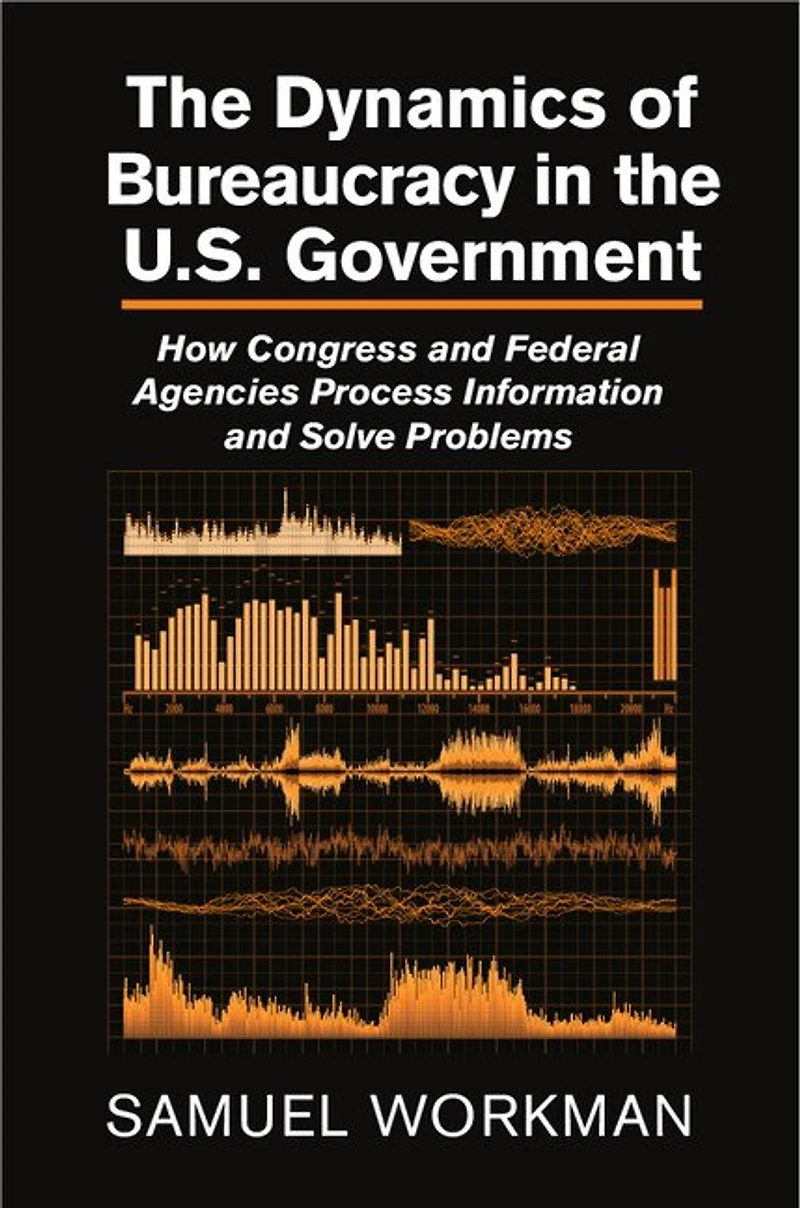
the Dynamics of Bureaucracy US Government: How Congress and Federal Agencies Process Information Solve Problems
Current price: $154.95

the Dynamics of Bureaucracy US Government: How Congress and Federal Agencies Process Information Solve Problems
Current price: $154.95
Loading Inventory...
Size: Hardcover
*Product information may vary - to confirm product availability, pricing, shipping and return information please contact Indigo
This book develops a new theoretical perspective on bureaucratic influence and congressional agenda setting based on limited attention and government information processing. Using a comprehensive new data set on regulatory policymaking across the entire federal bureaucracy, Samuel Workman develops the theory of the dual dynamics of congressional agenda setting and bureaucratic problem solving as a way to understand how the U.S. government generates information about, and addresses, important policy problems. Key to the perspective is a communications framework for understanding the nature of information and signaling between the bureaucracy and Congress concerning the nature of policy problems. Workman finds that congressional influence is innate to the process of issue shuffling, issue bundling, and the fostering of bureaucratic competition. In turn, bureaucracy influences the congressional agenda through problem monitoring, problem definition, and providing information that serves as important feedback in the development of an agenda.
This book develops a new theoretical perspective on bureaucratic influence and congressional agenda setting based on limited attention and government information processing. Using a comprehensive new data set on regulatory policymaking across the entire federal bureaucracy, Samuel Workman develops the theory of the dual dynamics of congressional agenda setting and bureaucratic problem solving as a way to understand how the U.S. government generates information about, and addresses, important policy problems. Key to the perspective is a communications framework for understanding the nature of information and signaling between the bureaucracy and Congress concerning the nature of policy problems. Workman finds that congressional influence is innate to the process of issue shuffling, issue bundling, and the fostering of bureaucratic competition. In turn, bureaucracy influences the congressional agenda through problem monitoring, problem definition, and providing information that serves as important feedback in the development of an agenda.
You May Also Like












More About Indigo at Erin Mills Town Centre
The largest book retailer in Canada also offers toys, music, home décor, gifts and lifestyle products. What's Inside...Books, Magazines, CD’s and DVD’s, Toys and Gifts, Home Accents, Electronics, Baby’s and Children’s Section, Bath and Body, Kitchen and Bedroom, Stationary Located outside in the exterior plaza.
5015 Glen Erin Dr, Mississauga, ON L5M 0R7, Canada
Find Indigo at Erin Mills Town Centre in Mississauga ON
Visit Indigo at Erin Mills Town Centre in Mississauga ON