

GIVE THE PERFECT GIFT
Erin Mills Town Centre Gift Cards are the perfect choice for your gift giving needs.Purchase gift cards at kiosks near the food court or centre court, at Guest Services, or click below to purchase online.PURCHASE HEREHome
The Emergence of the Delhi Sultanate: AD 1192-1286
Indigo
Loading Inventory...
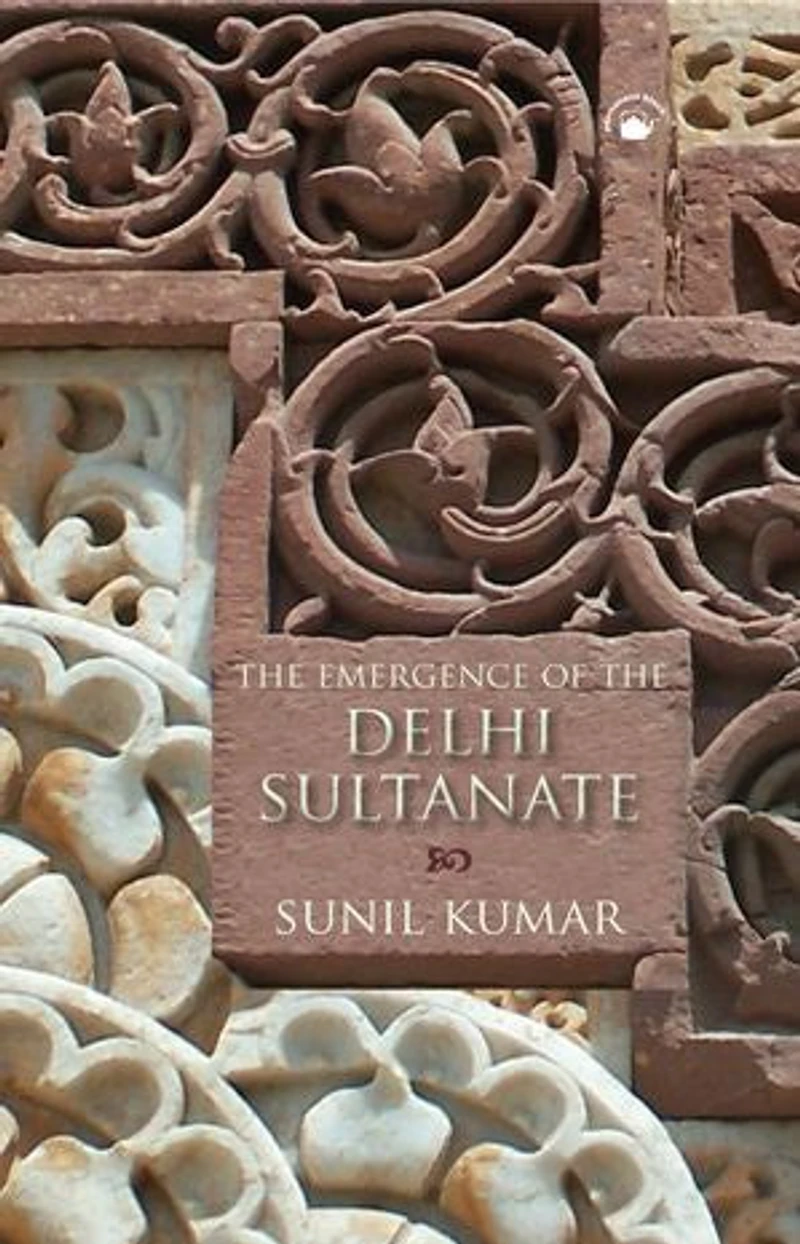
The Emergence of the Delhi Sultanate: AD 1192-1286
Current price: $35.29

The Emergence of the Delhi Sultanate: AD 1192-1286
Current price: $35.29
Loading Inventory...
Size: Kobo eBook
*Product information may vary - to confirm product availability, pricing, shipping and return information please contact Indigo
The Sultans of Delhi came from relatively humble origins. They were slaves who rose to become generals in the armies of the Afghan ruler Muizz al-Din Ghuri. Their transformation into rulers of a kingdom of great political influence in North India was a slow and discontinuous process that occurred through the thirteenth century.For the better part of that century, there were many centres of social and political power in the early Delhi Sultanate. There were military commanders with contending political ambitions, as well as urban elites with contrasting social constituencies, religious ideologies, and personal commitments. Such people did not always support authoritarian interventions seeking to create a monolithic state.So, for decades, the Sultanate seemed to disappear from political reckoning, and its resurrections were more in the nature of reincarnations. It made its periodic reappearances in bodily forms different from those of its precursors. Ultimately, the Delhi Sultanate survived not just because of the political and military acumen of its rulers and military agents, but because of the ideological investment of a variety of Muslim émigrés that saw the Delhi Sultanate as a sanctuary for Muslims during the period of Mongol holocaust.In The Emergence of the Delhi Sultanate, Sunil Kumar charts the history of the structures that sustained and challenged this regime, and of the underlying ideologies—eliding its sometimes ephemeral form—that gave meaning to the idea of the Delhi Sultanate.
The Sultans of Delhi came from relatively humble origins. They were slaves who rose to become generals in the armies of the Afghan ruler Muizz al-Din Ghuri. Their transformation into rulers of a kingdom of great political influence in North India was a slow and discontinuous process that occurred through the thirteenth century.For the better part of that century, there were many centres of social and political power in the early Delhi Sultanate. There were military commanders with contending political ambitions, as well as urban elites with contrasting social constituencies, religious ideologies, and personal commitments. Such people did not always support authoritarian interventions seeking to create a monolithic state.So, for decades, the Sultanate seemed to disappear from political reckoning, and its resurrections were more in the nature of reincarnations. It made its periodic reappearances in bodily forms different from those of its precursors. Ultimately, the Delhi Sultanate survived not just because of the political and military acumen of its rulers and military agents, but because of the ideological investment of a variety of Muslim émigrés that saw the Delhi Sultanate as a sanctuary for Muslims during the period of Mongol holocaust.In The Emergence of the Delhi Sultanate, Sunil Kumar charts the history of the structures that sustained and challenged this regime, and of the underlying ideologies—eliding its sometimes ephemeral form—that gave meaning to the idea of the Delhi Sultanate.
You May Also Like







More About Indigo at Erin Mills Town Centre
The largest book retailer in Canada also offers toys, music, home décor, gifts and lifestyle products. What's Inside...Books, Magazines, CD’s and DVD’s, Toys and Gifts, Home Accents, Electronics, Baby’s and Children’s Section, Bath and Body, Kitchen and Bedroom, Stationary Located outside in the exterior plaza.
5015 Glen Erin Dr, Mississauga, ON L5M 0R7, Canada
Find Indigo at Erin Mills Town Centre in Mississauga ON
Visit Indigo at Erin Mills Town Centre in Mississauga ON