

GIVE THE PERFECT GIFT
Erin Mills Town Centre Gift Cards are the perfect choice for your gift giving needs.Purchase gift cards at kiosks near the food court or centre court, at Guest Services, or click below to purchase online.PURCHASE HEREHome
the End of Sustainability: Resilience and Future Environmental Governance Anthropocene
Indigo
Loading Inventory...
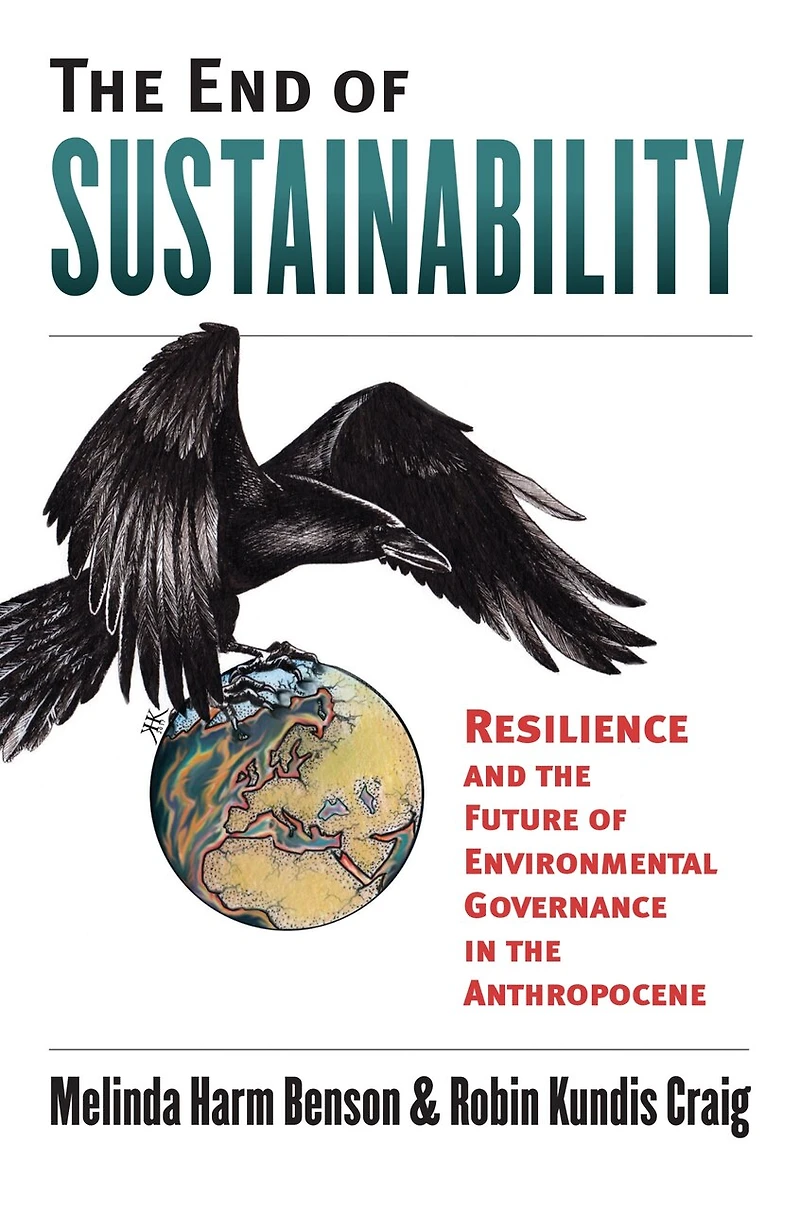
the End of Sustainability: Resilience and Future Environmental Governance Anthropocene
Current price: $74.95

the End of Sustainability: Resilience and Future Environmental Governance Anthropocene
Current price: $74.95
Loading Inventory...
Size: Hardcover
*Product information may vary - to confirm product availability, pricing, shipping and return information please contact Indigo
The time has come for us to collectively reexamine—and ultimately move past—the concept of sustainability in environmental and natural resources law and management. The continued invocation of sustainability in policy discussions ignores the emerging reality of the Anthropocene, which is creating a world characterized by extreme complexity, radical uncertainty, and unprecedented change. From a legal and policy perspective, we must face the impossibility of even defining—let alone pursuing—a goal of “sustainability” in such a world.
Melinda Harm Benson and Robin Kundis Craig propose resilience as a more realistic and workable communitarian approach to environmental governance. American environmental and natural resources laws date to the early 1970s, when the steady-state “Balance of Nature” model was in vogue—a model that ecologists have long since rejected, even before adding the complication of climate change. In the Anthropocene, a new era in which humans are the key agent of change on the planet, these laws (and American culture more generally) need to embrace new narratives of complex ecosystems and humans' role as part of them—narratives exemplified by cultural tricksters and resilience theory.
Updating Aldo Leopold’s vision of nature and humanity as a single community for the Anthropocene, Benson and Craig argue that the narrative of resilience integrates humans back into the complex social and ecological system known as Earth. As such, it empowers humans to act for a better future through law and policy despite the very real challenges of climate change
Melinda Harm Benson is an associate professor in the Department of Geography and Environmental Studies at the University of New Mexico.
The time has come for us to collectively reexamine—and ultimately move past—the concept of sustainability in environmental and natural resources law and management. The continued invocation of sustainability in policy discussions ignores the emerging reality of the Anthropocene, which is creating a world characterized by extreme complexity, radical uncertainty, and unprecedented change. From a legal and policy perspective, we must face the impossibility of even defining—let alone pursuing—a goal of “sustainability” in such a world.
Melinda Harm Benson and Robin Kundis Craig propose resilience as a more realistic and workable communitarian approach to environmental governance. American environmental and natural resources laws date to the early 1970s, when the steady-state “Balance of Nature” model was in vogue—a model that ecologists have long since rejected, even before adding the complication of climate change. In the Anthropocene, a new era in which humans are the key agent of change on the planet, these laws (and American culture more generally) need to embrace new narratives of complex ecosystems and humans' role as part of them—narratives exemplified by cultural tricksters and resilience theory.
Updating Aldo Leopold’s vision of nature and humanity as a single community for the Anthropocene, Benson and Craig argue that the narrative of resilience integrates humans back into the complex social and ecological system known as Earth. As such, it empowers humans to act for a better future through law and policy despite the very real challenges of climate change
Melinda Harm Benson is an associate professor in the Department of Geography and Environmental Studies at the University of New Mexico.
You May Also Like







More About Indigo at Erin Mills Town Centre
The largest book retailer in Canada also offers toys, music, home décor, gifts and lifestyle products. What's Inside...Books, Magazines, CD’s and DVD’s, Toys and Gifts, Home Accents, Electronics, Baby’s and Children’s Section, Bath and Body, Kitchen and Bedroom, Stationary Located outside in the exterior plaza.
5015 Glen Erin Dr, Mississauga, ON L5M 0R7, Canada
Find Indigo at Erin Mills Town Centre in Mississauga ON
Visit Indigo at Erin Mills Town Centre in Mississauga ON