

GIVE THE PERFECT GIFT
Erin Mills Town Centre Gift Cards are the perfect choice for your gift giving needs.Purchase gift cards at kiosks near the food court or centre court, at Guest Services, or click below to purchase online.PURCHASE HEREHome
The Ethics of Richard Rorty: Moral Communities, Self-Transformation, and Imagination
Indigo
Loading Inventory...
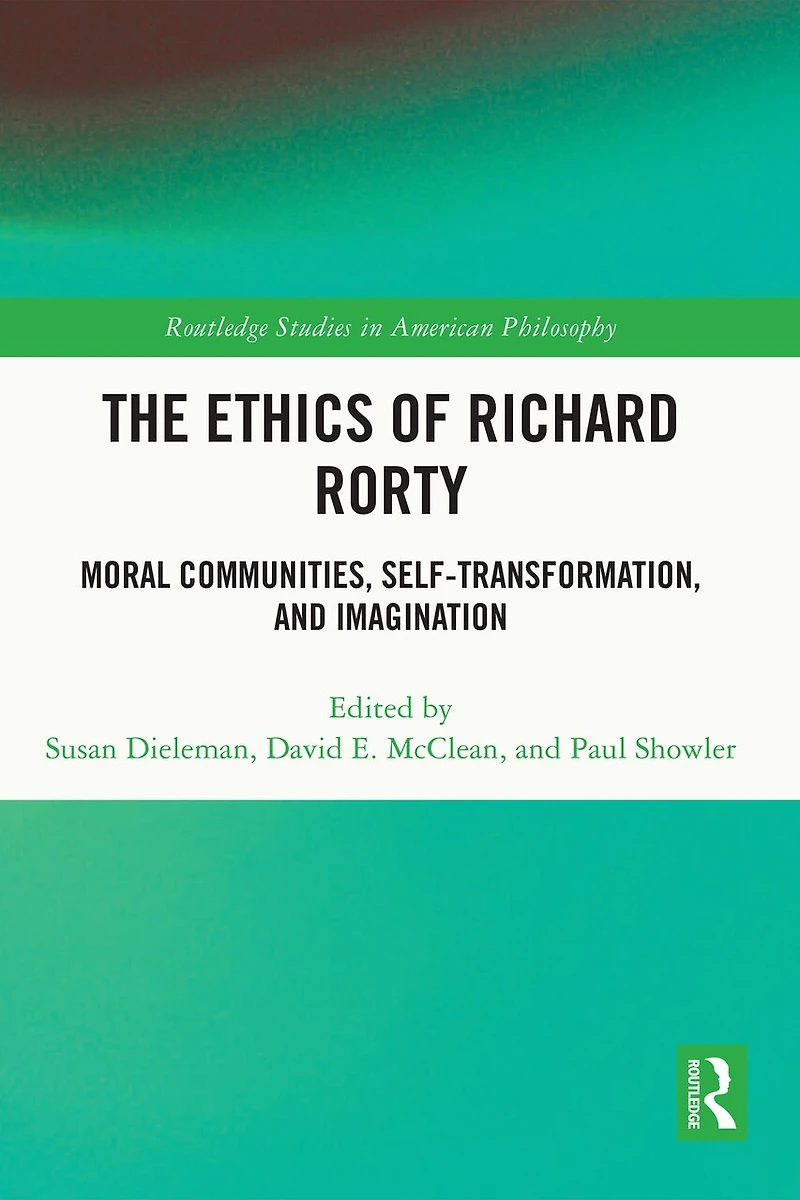
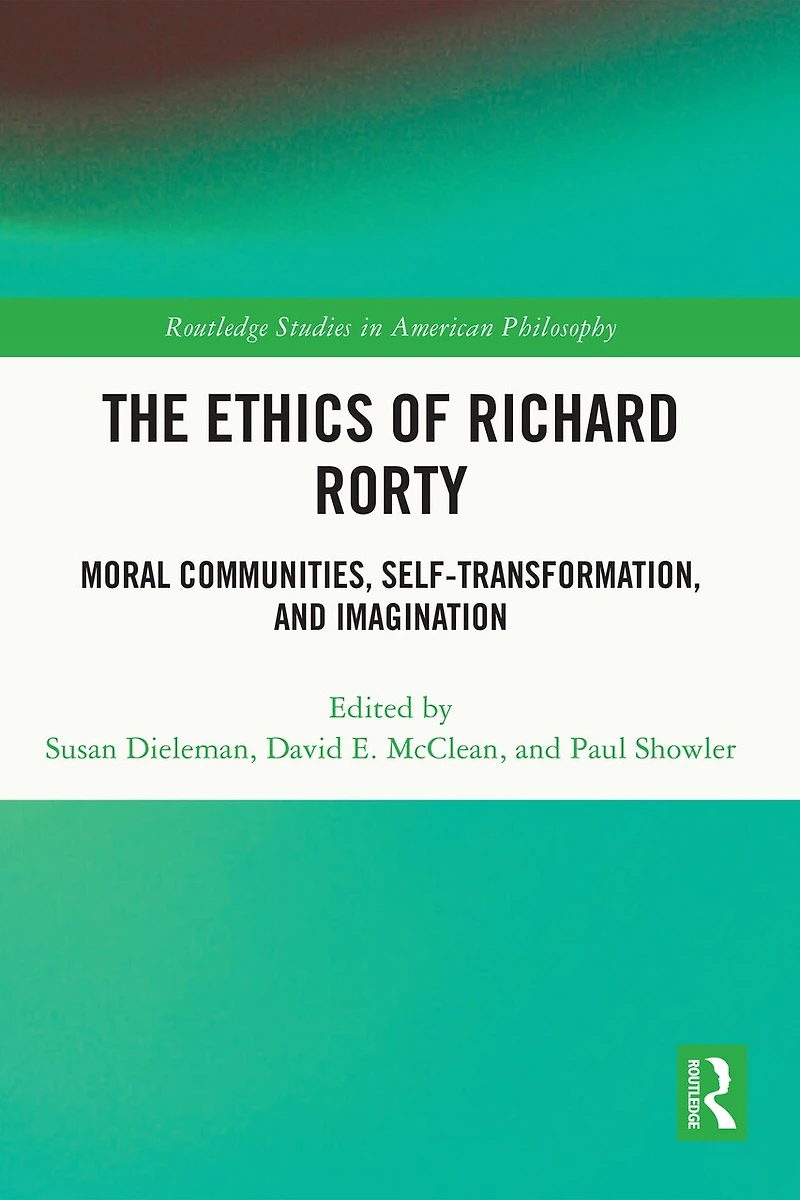
The Ethics of Richard Rorty: Moral Communities, Self-Transformation, and Imagination
Current price: $296.50

The Ethics of Richard Rorty: Moral Communities, Self-Transformation, and Imagination
Current price: $296.50
Loading Inventory...
Size: Hardcover
*Product information may vary - to confirm product availability, pricing, shipping and return information please contact Indigo
This book contains diverse and critical reflections on Richard Rorty's contributions to ethics, an aspect of his thought that has been relatively neglected. Together, they demonstrate that Rorty offers a compelling and coherent ethical vision. The book's chapters, grouped thematically, explore Rorty's emphasis on the importance of moral imagination, social relations, language, and literature as instrumental for ethical self-transformation, as well as for strengthening what Rorty called "social hope," which entails constant work toward a more democratic, inclusive, and cosmopolitan society and world. Several contributors address the ethical implications of Rorty's commitment to a vision of political liberalism without philosophical foundations. Others offer critical examinations of Rorty's claim that our private or individual projects of self-creation can or should be held apart from our public goals of ameliorating social conditions and reducing cruelty and suffering. Some contributors explore hurdles that impede the practical applications of certain of Rorty's ideas. The Ethics of Richard Rorty will appeal to scholars and advanced students interested in American philosophy and ethics.
This book contains diverse and critical reflections on Richard Rorty's contributions to ethics, an aspect of his thought that has been relatively neglected. Together, they demonstrate that Rorty offers a compelling and coherent ethical vision. The book's chapters, grouped thematically, explore Rorty's emphasis on the importance of moral imagination, social relations, language, and literature as instrumental for ethical self-transformation, as well as for strengthening what Rorty called "social hope," which entails constant work toward a more democratic, inclusive, and cosmopolitan society and world. Several contributors address the ethical implications of Rorty's commitment to a vision of political liberalism without philosophical foundations. Others offer critical examinations of Rorty's claim that our private or individual projects of self-creation can or should be held apart from our public goals of ameliorating social conditions and reducing cruelty and suffering. Some contributors explore hurdles that impede the practical applications of certain of Rorty's ideas. The Ethics of Richard Rorty will appeal to scholars and advanced students interested in American philosophy and ethics.
You May Also Like







More About Indigo at Erin Mills Town Centre
The largest book retailer in Canada also offers toys, music, home décor, gifts and lifestyle products. What's Inside...Books, Magazines, CD’s and DVD’s, Toys and Gifts, Home Accents, Electronics, Baby’s and Children’s Section, Bath and Body, Kitchen and Bedroom, Stationary Located outside in the exterior plaza.
5015 Glen Erin Dr, Mississauga, ON L5M 0R7, Canada
Find Indigo at Erin Mills Town Centre in Mississauga ON
Visit Indigo at Erin Mills Town Centre in Mississauga ON