

GIVE THE PERFECT GIFT
Erin Mills Town Centre Gift Cards are the perfect choice for your gift giving needs.Purchase gift cards at kiosks near the food court or centre court, at Guest Services, or click below to purchase online.PURCHASE HEREHome
The European Union and Kurdish Issue: EU as a Rational Normative Actor
Indigo
Loading Inventory...
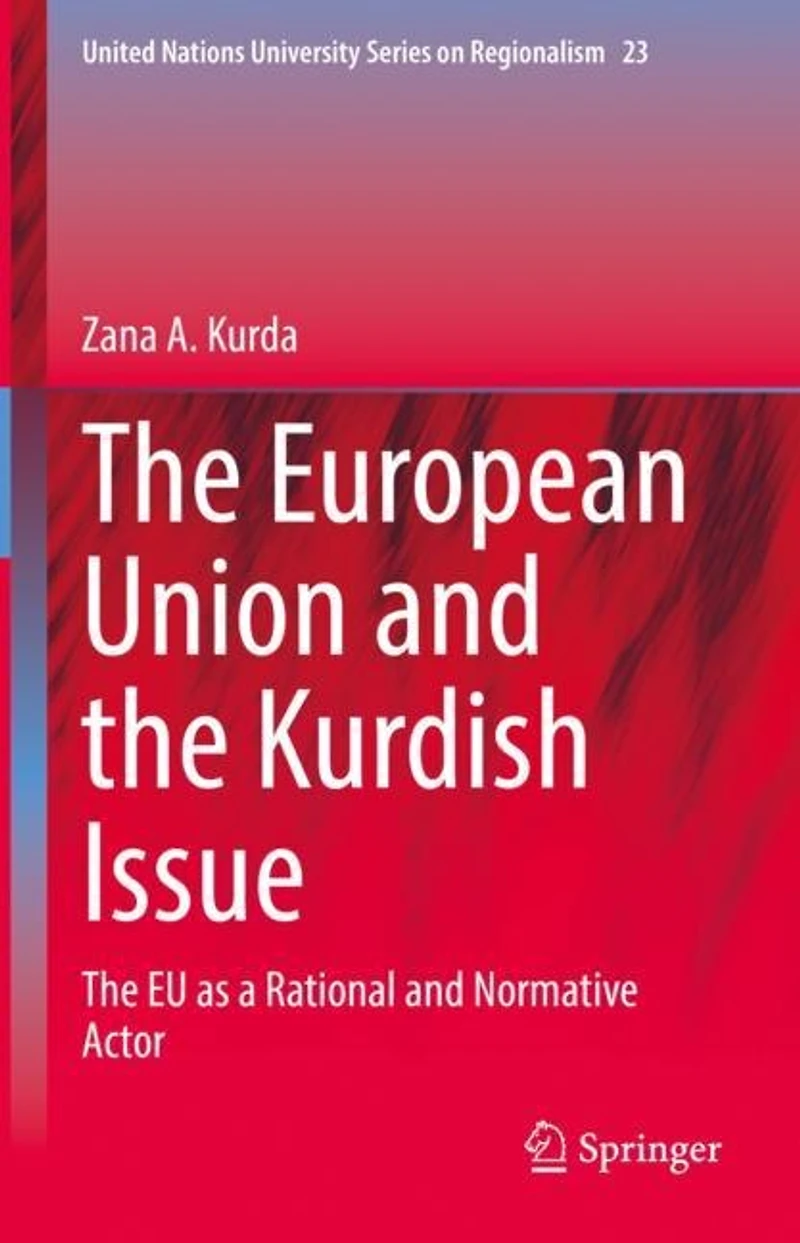
The European Union and Kurdish Issue: EU as a Rational Normative Actor
Current price: $175.50

The European Union and Kurdish Issue: EU as a Rational Normative Actor
Current price: $175.50
Loading Inventory...
Size: Hardcover
*Product information may vary - to confirm product availability, pricing, shipping and return information please contact Indigo
This book focuses on the European Union as an actor involved in the transnational Kurdish issue covering Turkey, Iran, Iraq and Syria. It demonstrates that, instead of being simply a humanitarian actor in the issue, the EU has considered its bilateral interests with the four states in question as well as its extent of acceptance in approaching the Kurdish issue. It has combined its traditional humanitarian/normative consideration with its geopolitical interests in relation to strategies related to the four states. This book provides a unique perspective on the EU as an actor in the Kurdish issue and from a wider perspective, it provides interesting insights into the EU's interactions with geopolitics, which has become the topic of a lively scholarly debate in recent years. The book is a resource for researchers and students studying the European Union as a global actor, and for governmental or non-governmental professionals dealing directly with, or having interest in, the EUand/or Kurdish affairs.
This book focuses on the European Union as an actor involved in the transnational Kurdish issue covering Turkey, Iran, Iraq and Syria. It demonstrates that, instead of being simply a humanitarian actor in the issue, the EU has considered its bilateral interests with the four states in question as well as its extent of acceptance in approaching the Kurdish issue. It has combined its traditional humanitarian/normative consideration with its geopolitical interests in relation to strategies related to the four states. This book provides a unique perspective on the EU as an actor in the Kurdish issue and from a wider perspective, it provides interesting insights into the EU's interactions with geopolitics, which has become the topic of a lively scholarly debate in recent years. The book is a resource for researchers and students studying the European Union as a global actor, and for governmental or non-governmental professionals dealing directly with, or having interest in, the EUand/or Kurdish affairs.
You May Also Like








More About Indigo at Erin Mills Town Centre
The largest book retailer in Canada also offers toys, music, home décor, gifts and lifestyle products. What's Inside...Books, Magazines, CD’s and DVD’s, Toys and Gifts, Home Accents, Electronics, Baby’s and Children’s Section, Bath and Body, Kitchen and Bedroom, Stationary Located outside in the exterior plaza.
5015 Glen Erin Dr, Mississauga, ON L5M 0R7, Canada
Find Indigo at Erin Mills Town Centre in Mississauga ON
Visit Indigo at Erin Mills Town Centre in Mississauga ON