

GIVE THE PERFECT GIFT
Erin Mills Town Centre Gift Cards are the perfect choice for your gift giving needs.Purchase gift cards at kiosks near the food court or centre court, at Guest Services, or click below to purchase online.PURCHASE HEREHome
the Fascination with Death Contemporary French Thought: A Longing for Abyss
Indigo
Loading Inventory...
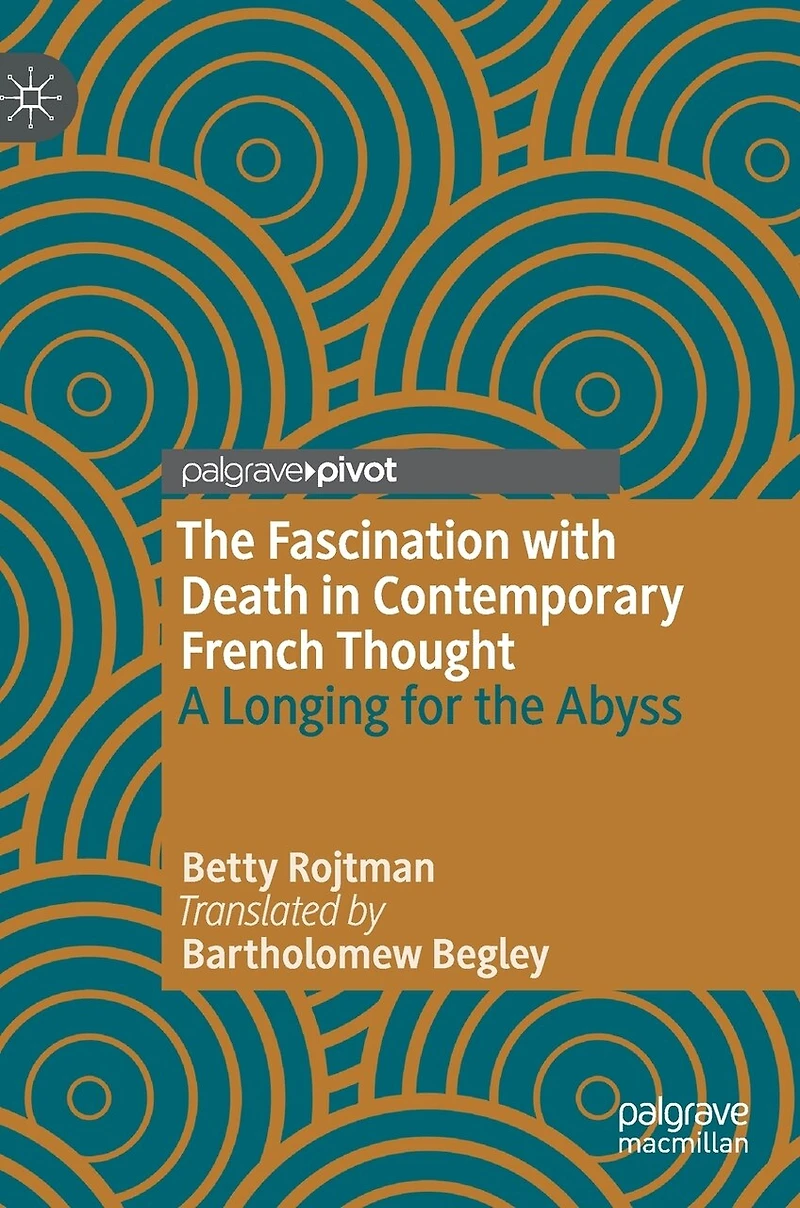
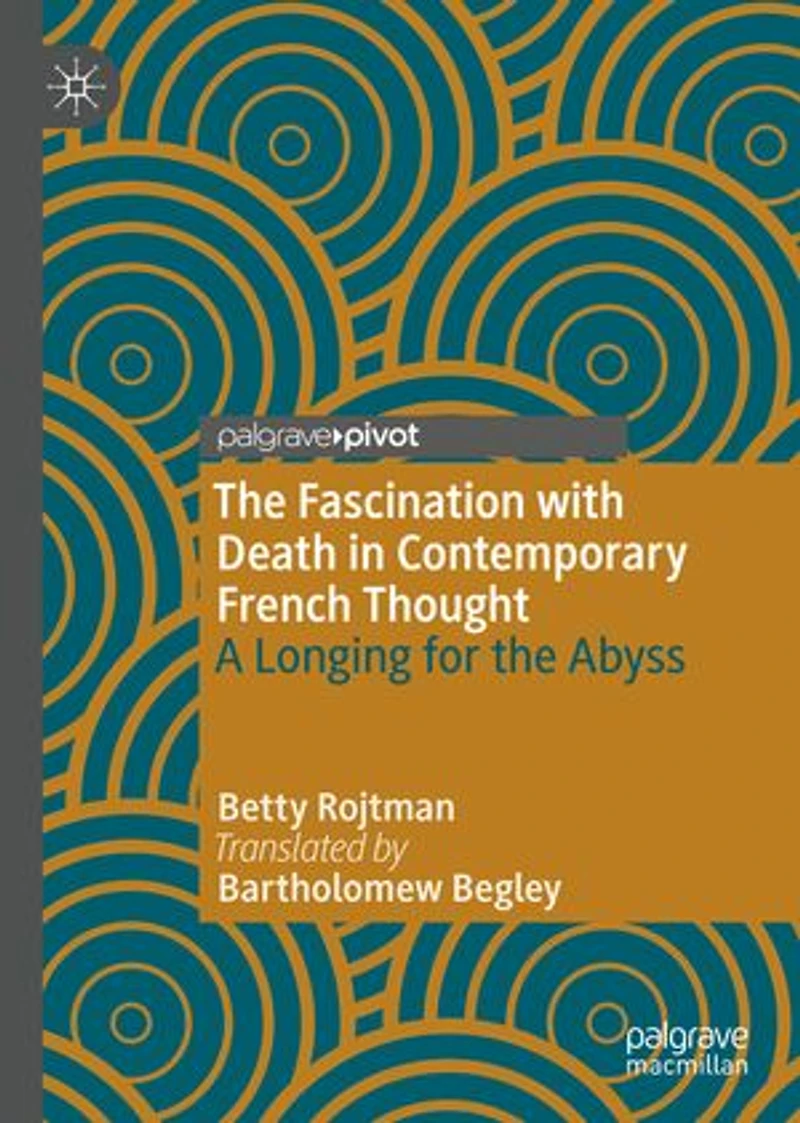
the Fascination with Death Contemporary French Thought: A Longing for Abyss
Current price: $94.95

the Fascination with Death Contemporary French Thought: A Longing for Abyss
Current price: $94.95
Loading Inventory...
Size: Hardcover
*Product information may vary - to confirm product availability, pricing, shipping and return information please contact Indigo
This book analyses a cultural phenomenon that goes to the very roots of Western civilization: the centrality of death in our sense of human existence. It does so through a close reading of seminal works by the most creative authors of modern French thought, such as Maurice Blanchot, Jacques Lacan, and Jacques Derrida. These works encode an entire ethics of postmodernism. Betty Rojtman offers the reader a prism through which to see anew the key issues of the twentieth century: tragedy, finitude, nothingness-but also contestation, liberty, and sovereignty. Little by little we understand that this fascination with death may be just the other side of humankind's great protest, its thirst for the infinite and its desire to be. Finally, Rojtman tries to offer another view on these fundamental questions by shifting to a parallel cultural reference: Kabbalah.
This book analyses a cultural phenomenon that goes to the very roots of Western civilization: the centrality of death in our sense of human existence. It does so through a close reading of seminal works by the most creative authors of modern French thought, such as Maurice Blanchot, Jacques Lacan, and Jacques Derrida. These works encode an entire ethics of postmodernism. Betty Rojtman offers the reader a prism through which to see anew the key issues of the twentieth century: tragedy, finitude, nothingness-but also contestation, liberty, and sovereignty. Little by little we understand that this fascination with death may be just the other side of humankind's great protest, its thirst for the infinite and its desire to be. Finally, Rojtman tries to offer another view on these fundamental questions by shifting to a parallel cultural reference: Kabbalah.
You May Also Like







More About Indigo at Erin Mills Town Centre
The largest book retailer in Canada also offers toys, music, home décor, gifts and lifestyle products. What's Inside...Books, Magazines, CD’s and DVD’s, Toys and Gifts, Home Accents, Electronics, Baby’s and Children’s Section, Bath and Body, Kitchen and Bedroom, Stationary Located outside in the exterior plaza.
5015 Glen Erin Dr, Mississauga, ON L5M 0R7, Canada
Find Indigo at Erin Mills Town Centre in Mississauga ON
Visit Indigo at Erin Mills Town Centre in Mississauga ON