

GIVE THE PERFECT GIFT
Erin Mills Town Centre Gift Cards are the perfect choice for your gift giving needs.Purchase gift cards at kiosks near the food court or centre court, at Guest Services, or click below to purchase online.PURCHASE HEREHome
The Fishing Net and the Spider Web: Mediterranean Imaginaries and the Making of Italians
Indigo
Loading Inventory...
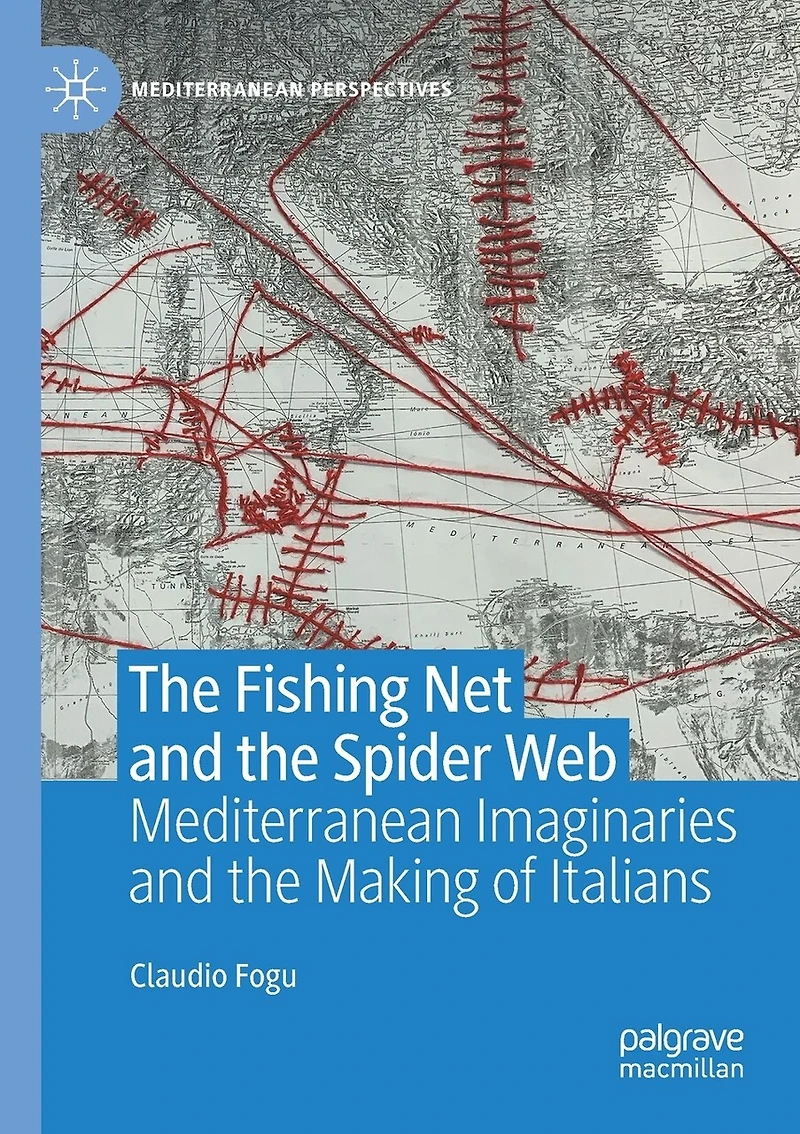
The Fishing Net and the Spider Web: Mediterranean Imaginaries and the Making of Italians
Current price: $189.95

The Fishing Net and the Spider Web: Mediterranean Imaginaries and the Making of Italians
Current price: $189.95
Loading Inventory...
Size: Paperback
*Product information may vary - to confirm product availability, pricing, shipping and return information please contact Indigo
This book explores the role of Mediterranean imaginaries in one of the preeminent tropes of Italian history: the formation or 'making of' Italians. While previous scholarship on the construction of Italian identity has often focused too narrowly on the territorial notion of the nation-state, and over-identified Italy with its capital, Rome, this book highlights the importance of the Mediterranean Sea to the development of Italian collective imaginaries. From this perspective, this book re-interprets key historical processes and actors in the history of modern Italy, and thereby challenges mainstream interpretations of Italian collective identity as weak or incomplete. Ultimately, it argues that Mediterranean imaginaries acted as counterweights to the solidification of a 'national' Italian identity, and still constitute alternative but equally viable modes of collective belonging.
This book explores the role of Mediterranean imaginaries in one of the preeminent tropes of Italian history: the formation or 'making of' Italians. While previous scholarship on the construction of Italian identity has often focused too narrowly on the territorial notion of the nation-state, and over-identified Italy with its capital, Rome, this book highlights the importance of the Mediterranean Sea to the development of Italian collective imaginaries. From this perspective, this book re-interprets key historical processes and actors in the history of modern Italy, and thereby challenges mainstream interpretations of Italian collective identity as weak or incomplete. Ultimately, it argues that Mediterranean imaginaries acted as counterweights to the solidification of a 'national' Italian identity, and still constitute alternative but equally viable modes of collective belonging.
You May Also Like












More About Indigo at Erin Mills Town Centre
The largest book retailer in Canada also offers toys, music, home décor, gifts and lifestyle products. What's Inside...Books, Magazines, CD’s and DVD’s, Toys and Gifts, Home Accents, Electronics, Baby’s and Children’s Section, Bath and Body, Kitchen and Bedroom, Stationary Located outside in the exterior plaza.
5015 Glen Erin Dr, Mississauga, ON L5M 0R7, Canada
Find Indigo at Erin Mills Town Centre in Mississauga ON
Visit Indigo at Erin Mills Town Centre in Mississauga ON