

GIVE THE PERFECT GIFT
Erin Mills Town Centre Gift Cards are the perfect choice for your gift giving needs.Purchase gift cards at kiosks near the food court or centre court, at Guest Services, or click below to purchase online.PURCHASE HEREHome
the Future of Free Speech: Reversing Global Decline Democracy's Most Essential Freedom
Indigo
Loading Inventory...
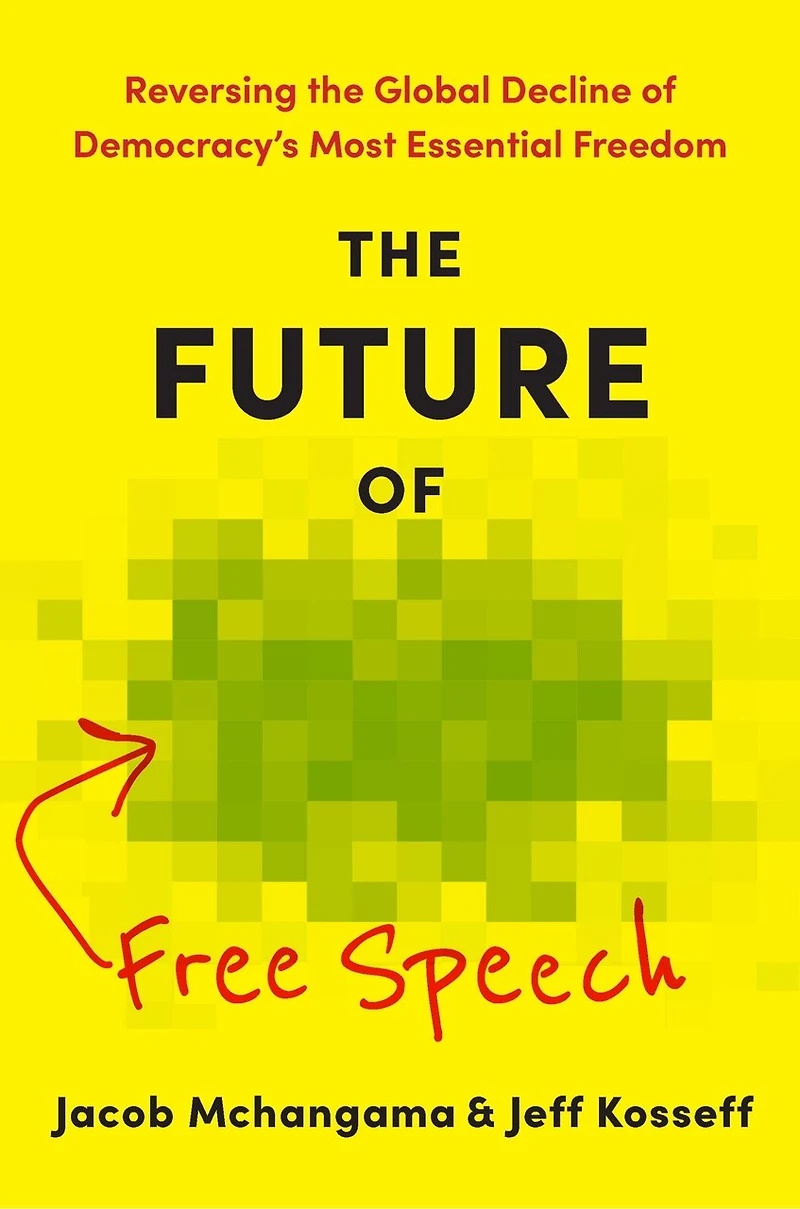
the Future of Free Speech: Reversing Global Decline Democracy's Most Essential Freedom
Current price: $42.95

the Future of Free Speech: Reversing Global Decline Democracy's Most Essential Freedom
Current price: $42.95
Loading Inventory...
Size: Hardcover
*Product information may vary - to confirm product availability, pricing, shipping and return information please contact Indigo
An incisive examination of free speech's global decline and a framework for preserving expression in democratic societies.
The Future of Free Speech confronts a stark truth: the right to speak freely is under siege. Once celebrated as a cornerstone of democratic societies, free expression is now met with growing suspicion and retaliation across the globe. Jacob Mchangama and Jeff Kosseff present a panoramic view of how we arrived at this pivotal moment.
The authors examine a century in which speech rights expanded dramatically—including postwar democratic revolutions and the sweeping protections of the First Amendment—only to find those rights unraveling in the face of new political, technological, and cultural pressures. Today, liberal democracies are imposing speech controls, authoritarian regimes are cloaking censorship in democratic language, and digital platforms wield unprecedented power over global discourse. This book examines the backlash against free speech from all sides: governments criminalizing dissent in the name of national security; lawmakers and activists demanding tighter controls on misinformation, hate speech, and offensive content; and AI systems removing speech at a scale and speed that dwarfs historical forms of censorship. At the same time, faith in free speech itself is waning, even in the very societies that once championed it.
The Future of Free Speech argues for a reinvigorated, global commitment to open dialogue. Mchangama and Kosseff advocate nonpartisan, civic-minded solutions that resist both government overreach and corporate silencing. They offer a compelling case for how free speech can meet modern challenges without abandoning its foundational role in sustaining democracy, human rights, and shared understanding.
An incisive examination of free speech's global decline and a framework for preserving expression in democratic societies.
The Future of Free Speech confronts a stark truth: the right to speak freely is under siege. Once celebrated as a cornerstone of democratic societies, free expression is now met with growing suspicion and retaliation across the globe. Jacob Mchangama and Jeff Kosseff present a panoramic view of how we arrived at this pivotal moment.
The authors examine a century in which speech rights expanded dramatically—including postwar democratic revolutions and the sweeping protections of the First Amendment—only to find those rights unraveling in the face of new political, technological, and cultural pressures. Today, liberal democracies are imposing speech controls, authoritarian regimes are cloaking censorship in democratic language, and digital platforms wield unprecedented power over global discourse. This book examines the backlash against free speech from all sides: governments criminalizing dissent in the name of national security; lawmakers and activists demanding tighter controls on misinformation, hate speech, and offensive content; and AI systems removing speech at a scale and speed that dwarfs historical forms of censorship. At the same time, faith in free speech itself is waning, even in the very societies that once championed it.
The Future of Free Speech argues for a reinvigorated, global commitment to open dialogue. Mchangama and Kosseff advocate nonpartisan, civic-minded solutions that resist both government overreach and corporate silencing. They offer a compelling case for how free speech can meet modern challenges without abandoning its foundational role in sustaining democracy, human rights, and shared understanding.
You May Also Like









More About Indigo at Erin Mills Town Centre
The largest book retailer in Canada also offers toys, music, home décor, gifts and lifestyle products. What's Inside...Books, Magazines, CD’s and DVD’s, Toys and Gifts, Home Accents, Electronics, Baby’s and Children’s Section, Bath and Body, Kitchen and Bedroom, Stationary Located outside in the exterior plaza.
5015 Glen Erin Dr, Mississauga, ON L5M 0R7, Canada
Find Indigo at Erin Mills Town Centre in Mississauga ON
Visit Indigo at Erin Mills Town Centre in Mississauga ON