

GIVE THE PERFECT GIFT
Erin Mills Town Centre Gift Cards are the perfect choice for your gift giving needs.Purchase gift cards at kiosks near the food court or centre court, at Guest Services, or click below to purchase online.PURCHASE HEREHome
The Gentle Art: Poems
Indigo
Loading Inventory...
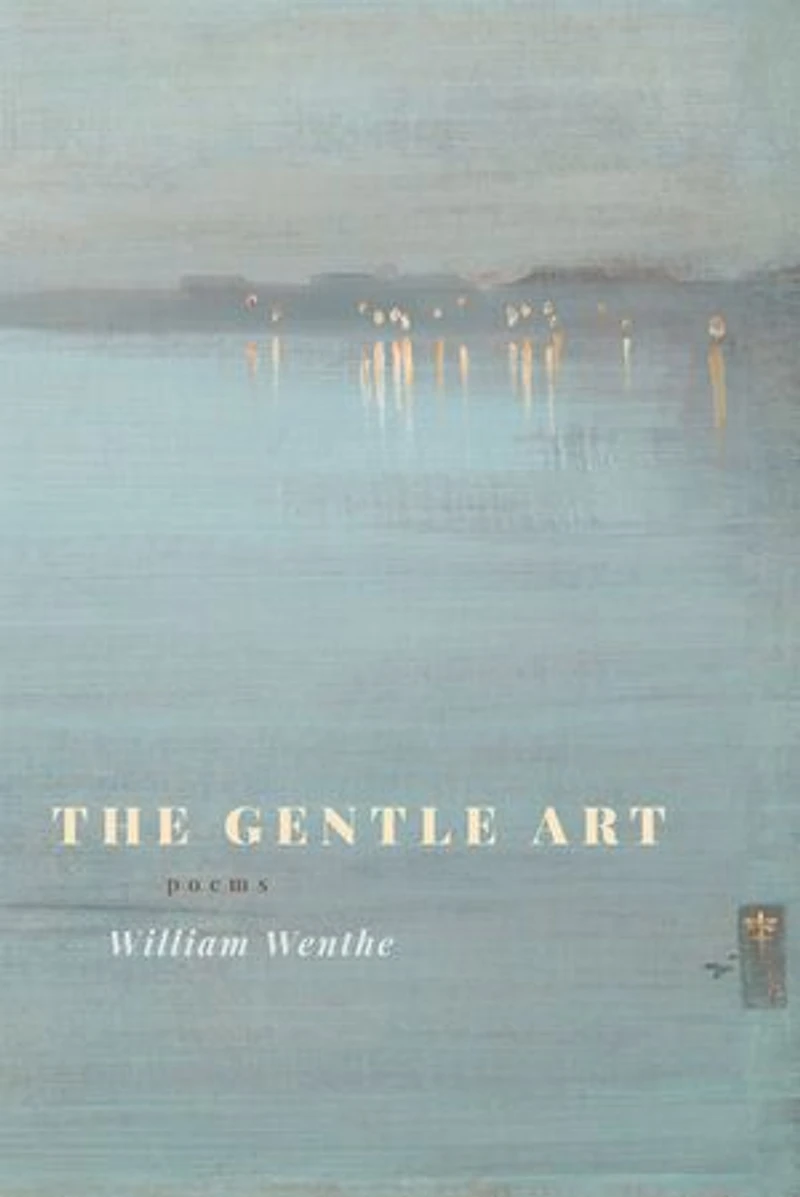
The Gentle Art: Poems
Current price: $10.89
Original price: $13.50

The Gentle Art: Poems
Current price: $10.89
Original price: $13.50
Loading Inventory...
Size: Kobo eBook
*Product information may vary - to confirm product availability, pricing, shipping and return information please contact Indigo
The poems in The Gentle Art , a compelling new collection from William Wenthe, move between the life of the painter James McNeill Whistler and a poetic version of the author, who is at once inspired and disturbed by Whistler. The present-day author sheds light on Whistler’s artistic vocation and the beauty of his paintings, most notably the liminal London riverscapes that he named Nocturnes , yet recoils at the cost of Whistler’s devotion to art: lovers abandoned, friends turned into enemies, his own children given away to adoption.
Creating a kind of dual biography, Wenthe grapples with feelings of admiration and disaffection toward Whistler as he tries to perform his own roles as parent, partner, and poet. While some of the poems are narrative, their overall effect is associative—two lives superimposed in a double exposure, with attention to what the contrast of two centuries, the nineteenth and the twenty-first, reveals about the relationship of art to money, class, and politics.
The poems in The Gentle Art , a compelling new collection from William Wenthe, move between the life of the painter James McNeill Whistler and a poetic version of the author, who is at once inspired and disturbed by Whistler. The present-day author sheds light on Whistler’s artistic vocation and the beauty of his paintings, most notably the liminal London riverscapes that he named Nocturnes , yet recoils at the cost of Whistler’s devotion to art: lovers abandoned, friends turned into enemies, his own children given away to adoption.
Creating a kind of dual biography, Wenthe grapples with feelings of admiration and disaffection toward Whistler as he tries to perform his own roles as parent, partner, and poet. While some of the poems are narrative, their overall effect is associative—two lives superimposed in a double exposure, with attention to what the contrast of two centuries, the nineteenth and the twenty-first, reveals about the relationship of art to money, class, and politics.
You May Also Like







More About Indigo at Erin Mills Town Centre
The largest book retailer in Canada also offers toys, music, home décor, gifts and lifestyle products. What's Inside...Books, Magazines, CD’s and DVD’s, Toys and Gifts, Home Accents, Electronics, Baby’s and Children’s Section, Bath and Body, Kitchen and Bedroom, Stationary Located outside in the exterior plaza.
5015 Glen Erin Dr, Mississauga, ON L5M 0R7, Canada
Find Indigo at Erin Mills Town Centre in Mississauga ON
Visit Indigo at Erin Mills Town Centre in Mississauga ON