

GIVE THE PERFECT GIFT
Erin Mills Town Centre Gift Cards are the perfect choice for your gift giving needs.Purchase gift cards at kiosks near the food court or centre court, at Guest Services, or click below to purchase online.PURCHASE HEREHome
The Globalization of Theatre 1870–1930: Theatrical Networks Maurice E. Bandmann
Indigo
Loading Inventory...
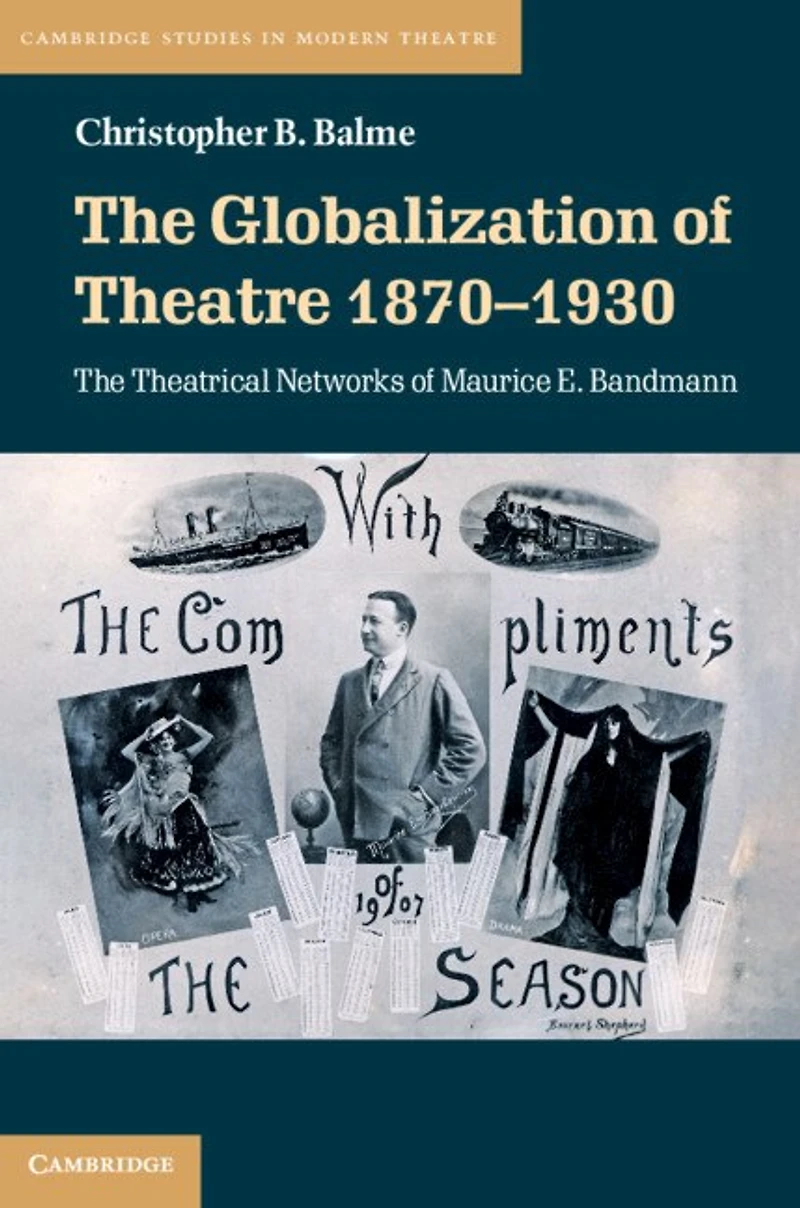
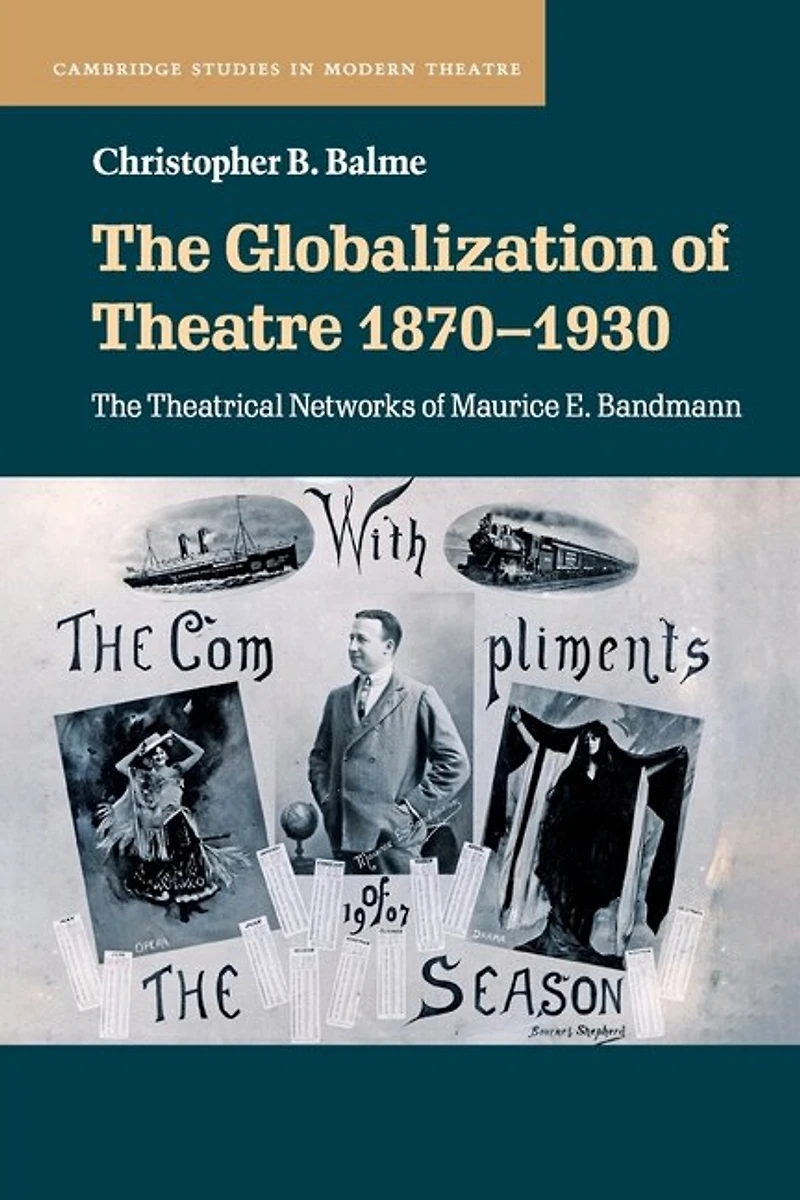
The Globalization of Theatre 1870–1930: Theatrical Networks Maurice E. Bandmann
Current price: $152.95

The Globalization of Theatre 1870–1930: Theatrical Networks Maurice E. Bandmann
Current price: $152.95
Loading Inventory...
Size: Hardcover
*Product information may vary - to confirm product availability, pricing, shipping and return information please contact Indigo
Between 1895 and 1922 the Anglo-American actor and manager, Maurice E. Bandmann (1872–1922) created a theatrical circuit that extended from Gibraltar to Tokyo and included regular tours to the West Indies and South America. With headquarters in Calcutta and Cairo and companies listed on the Indian stock exchange, his operations represent a significant shift towards the globalization of theatre. This study focuses on seven key areas: family networks; the business of theatrical touring; the politics of locality; repertoire and publics; an ethnography of itinerant acting; legal disputes and the provision of theatrical infrastructure. It draws on global and transnational history, network theory and analysis as well as in-depth archival research to provide a new approach to studying theatre in the age of empire.
Between 1895 and 1922 the Anglo-American actor and manager, Maurice E. Bandmann (1872–1922) created a theatrical circuit that extended from Gibraltar to Tokyo and included regular tours to the West Indies and South America. With headquarters in Calcutta and Cairo and companies listed on the Indian stock exchange, his operations represent a significant shift towards the globalization of theatre. This study focuses on seven key areas: family networks; the business of theatrical touring; the politics of locality; repertoire and publics; an ethnography of itinerant acting; legal disputes and the provision of theatrical infrastructure. It draws on global and transnational history, network theory and analysis as well as in-depth archival research to provide a new approach to studying theatre in the age of empire.
You May Also Like







More About Indigo at Erin Mills Town Centre
The largest book retailer in Canada also offers toys, music, home décor, gifts and lifestyle products. What's Inside...Books, Magazines, CD’s and DVD’s, Toys and Gifts, Home Accents, Electronics, Baby’s and Children’s Section, Bath and Body, Kitchen and Bedroom, Stationary Located outside in the exterior plaza.
5015 Glen Erin Dr, Mississauga, ON L5M 0R7, Canada
Find Indigo at Erin Mills Town Centre in Mississauga ON
Visit Indigo at Erin Mills Town Centre in Mississauga ON