

GIVE THE PERFECT GIFT
Erin Mills Town Centre Gift Cards are the perfect choice for your gift giving needs.Purchase gift cards at kiosks near the food court or centre court, at Guest Services, or click below to purchase online.PURCHASE HEREHome
The Glossa Ordinaria: The Making of a Medieval Bible Commentary
Indigo
Loading Inventory...
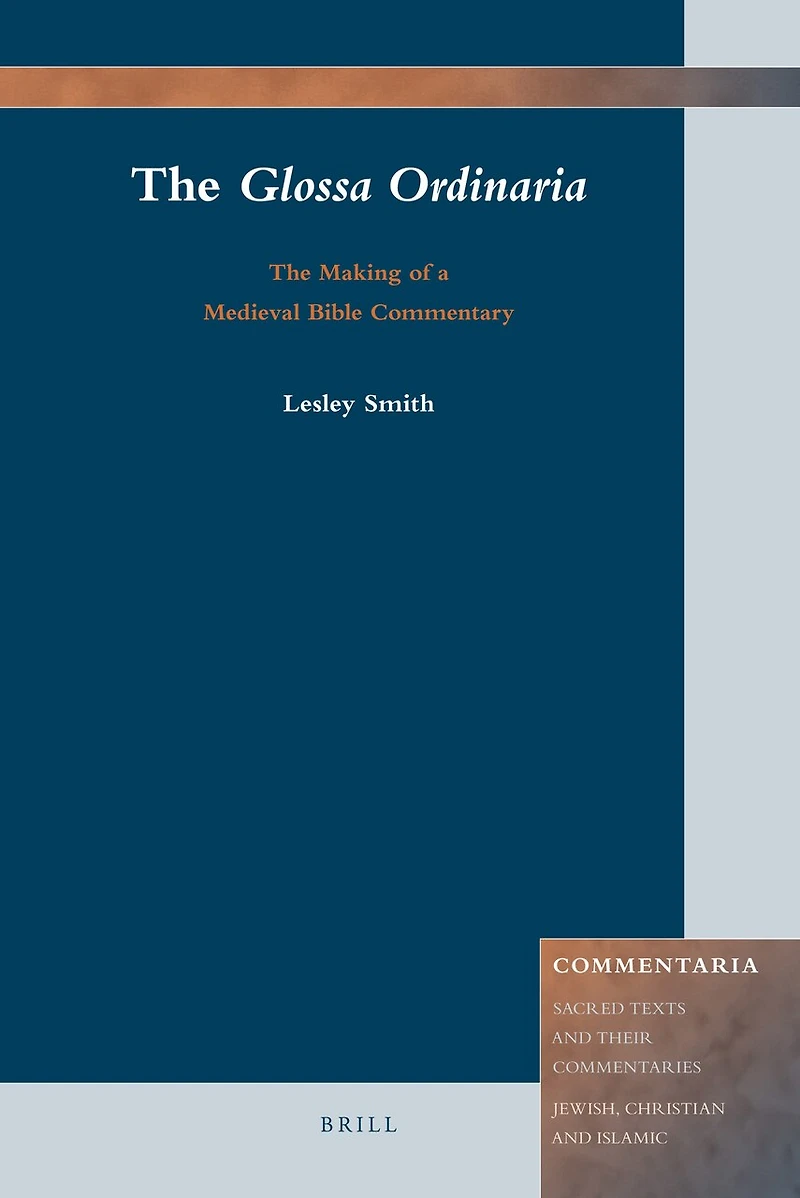
The Glossa Ordinaria: The Making of a Medieval Bible Commentary
Current price: $249.99

The Glossa Ordinaria: The Making of a Medieval Bible Commentary
Current price: $249.99
Loading Inventory...
Size: Hardcover
*Product information may vary - to confirm product availability, pricing, shipping and return information please contact Indigo
The Glossa Ordinaria on the Bible was the ubiquitous text of the Middle Ages. Compiled in twelfth-century France, this multi-volume work, containing the entire text of Scripture surrounded by a commentary drawn from patristic and medieval authors, is still extant in thousands of manuscripts, testifying to the centrality of the work for generations of medieval scholars. Although the Glossa has been the subject of modern study, it is surrounded by myth. This book, based on manuscript evidence, is the first to draw together the history of this monumental work, its authorship, content, layout, production and use. Raising new questions, and pointing the way to further research, it opens up the Glossa to all students of medieval religion and intellectual history.
The Glossa Ordinaria on the Bible was the ubiquitous text of the Middle Ages. Compiled in twelfth-century France, this multi-volume work, containing the entire text of Scripture surrounded by a commentary drawn from patristic and medieval authors, is still extant in thousands of manuscripts, testifying to the centrality of the work for generations of medieval scholars. Although the Glossa has been the subject of modern study, it is surrounded by myth. This book, based on manuscript evidence, is the first to draw together the history of this monumental work, its authorship, content, layout, production and use. Raising new questions, and pointing the way to further research, it opens up the Glossa to all students of medieval religion and intellectual history.
You May Also Like







More About Indigo at Erin Mills Town Centre
The largest book retailer in Canada also offers toys, music, home décor, gifts and lifestyle products. What's Inside...Books, Magazines, CD’s and DVD’s, Toys and Gifts, Home Accents, Electronics, Baby’s and Children’s Section, Bath and Body, Kitchen and Bedroom, Stationary Located outside in the exterior plaza.
5015 Glen Erin Dr, Mississauga, ON L5M 0R7, Canada
Find Indigo at Erin Mills Town Centre in Mississauga ON
Visit Indigo at Erin Mills Town Centre in Mississauga ON