

GIVE THE PERFECT GIFT
Erin Mills Town Centre Gift Cards are the perfect choice for your gift giving needs.Purchase gift cards at kiosks near the food court or centre court, at Guest Services, or click below to purchase online.PURCHASE HEREHome
The Hadal Zone: Life In The Deepest Oceans
Indigo
Loading Inventory...
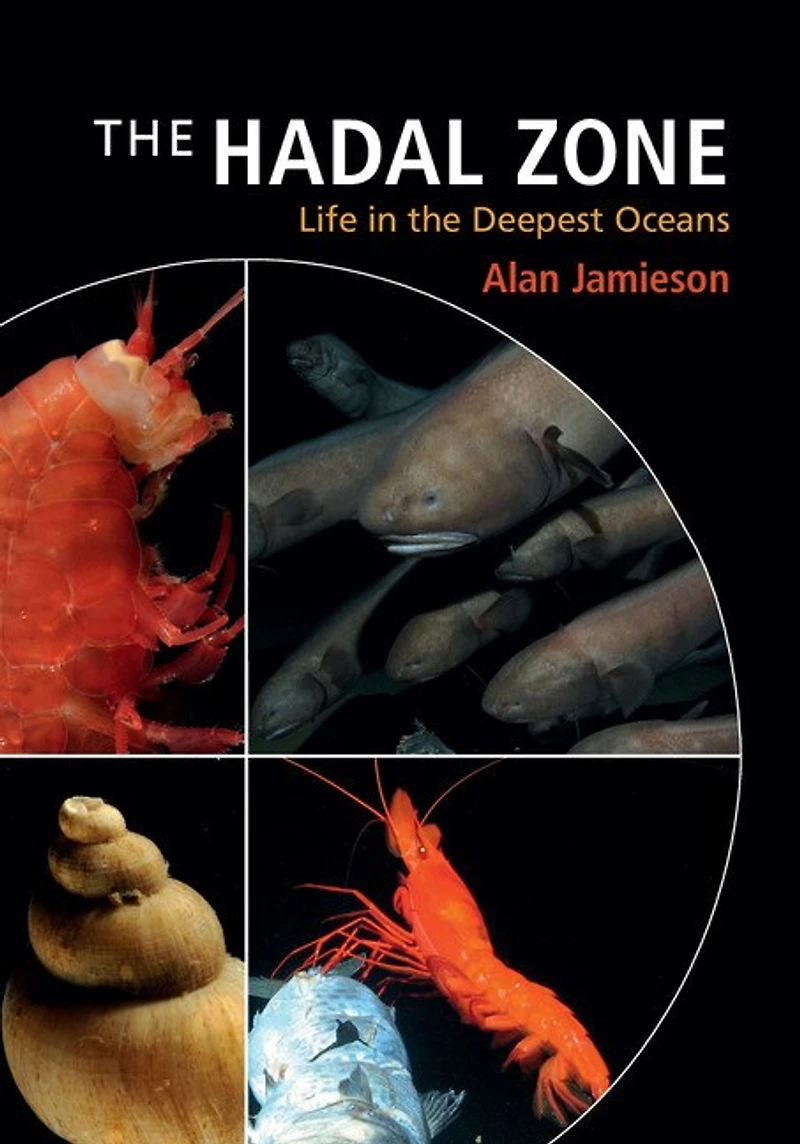
The Hadal Zone: Life In The Deepest Oceans
Current price: $109.95

The Hadal Zone: Life In The Deepest Oceans
Current price: $109.95
Loading Inventory...
Size: Hardcover
*Product information may vary - to confirm product availability, pricing, shipping and return information please contact Indigo
The hadal zone represents one of the last great frontiers in marine science, accounting for 45% of the total ocean depth range. Despite very little research effort since the 1950s, the last ten years has seen a renaissance in hadal exploration, almost certainly as a result of technological advances that have made this otherwise largely inaccessible frontier, a viable subject for research. Providing an overview of the geology involved in trench formation, the hydrography and food supply, this book details all that is currently known about organisms at hadal depths and linkages to the better known abyssal and bathyal depths. New insights on how, where and what really survives and thrives in the deepest biozone are provided, allowing this region to be considered when dealing with sustainability and conservation issues in the marine environment.
The hadal zone represents one of the last great frontiers in marine science, accounting for 45% of the total ocean depth range. Despite very little research effort since the 1950s, the last ten years has seen a renaissance in hadal exploration, almost certainly as a result of technological advances that have made this otherwise largely inaccessible frontier, a viable subject for research. Providing an overview of the geology involved in trench formation, the hydrography and food supply, this book details all that is currently known about organisms at hadal depths and linkages to the better known abyssal and bathyal depths. New insights on how, where and what really survives and thrives in the deepest biozone are provided, allowing this region to be considered when dealing with sustainability and conservation issues in the marine environment.













More About Indigo at Erin Mills Town Centre
The largest book retailer in Canada also offers toys, music, home décor, gifts and lifestyle products. What's Inside...Books, Magazines, CD’s and DVD’s, Toys and Gifts, Home Accents, Electronics, Baby’s and Children’s Section, Bath and Body, Kitchen and Bedroom, Stationary Located outside in the exterior plaza.
5015 Glen Erin Dr, Mississauga, ON L5M 0R7, Canada
Find Indigo at Erin Mills Town Centre in Mississauga ON
Visit Indigo at Erin Mills Town Centre in Mississauga ON