

GIVE THE PERFECT GIFT
Erin Mills Town Centre Gift Cards are the perfect choice for your gift giving needs.Purchase gift cards at kiosks near the food court or centre court, at Guest Services, or click below to purchase online.PURCHASE HEREHome
The Higher Objectives of Islamic Theology: Toward a Theory Maqasid al-Aqida
Indigo
Loading Inventory...
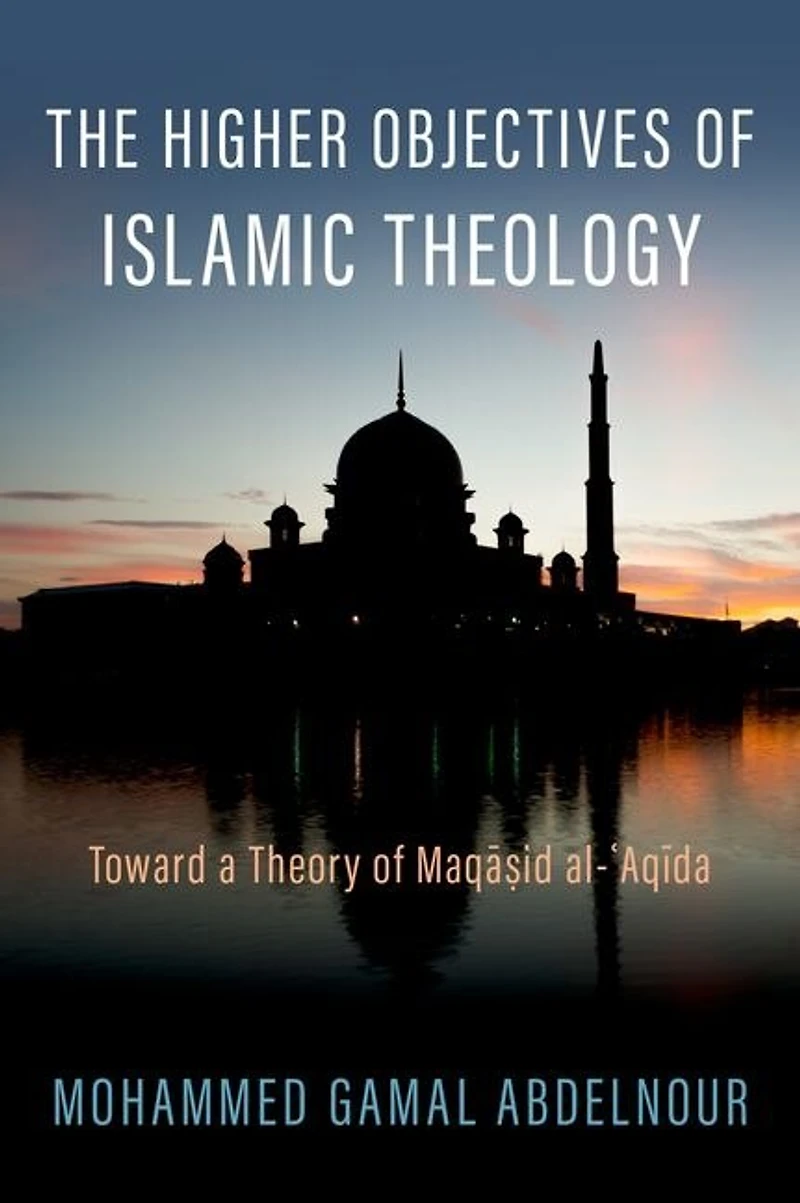
The Higher Objectives of Islamic Theology: Toward a Theory Maqasid al-Aqida
Current price: $81.50

The Higher Objectives of Islamic Theology: Toward a Theory Maqasid al-Aqida
Current price: $81.50
Loading Inventory...
Size: Hardcover
*Product information may vary - to confirm product availability, pricing, shipping and return information please contact Indigo
In the Islamic tradition, fiqh (Islamic law) is generally regarded as the science of furu'al-din (matters complementary to the Islamic faith), as opposed to kalam (Islamic theology) which is known as the science of usul al-din (matters primary to the Islamic faith). Over time, however, fiqh has significantly surpassed Kalam in terms of cognitive maturation and epistemic development. In The Higher Objectives of Islamic Theology, Mohammed Gamal Abdelnour argues that far too little attention has been paid to parallel developments in Islamic theology. Consequently, the theological project in the Islamic tradition has largely become limited to definitions and deliberations about the nature and qualities of the transcendent God, and has barely developed as a systematic discipline devoted to the higher objectives of Islamic theology, similar to those of Maqasid al-Sharia (higher objectives of Islamic law).
Addressing this gap and drawing on the full-fledged genre of Maqa.sid al-Sharia, this study aims to develop a genre of Maqasid al-ida (higher objectives of Islamic theology) based on a scheme of core values (Truth, Justice, Beauty), instead of a scheme of hudud (penalties). Arguing that the tradition's current overemphasis on law (Justice) has relegated both theology (Truth) and Sufism (Beauty) to the periphery of the tradition, Abdelnour illustrates how this marginalisation of theology and Sufism leaves less room for an "ethical Islam" and instead prioritises "legal" and "political Islam." In shifting the focus from law to theology, the book thereby grapples with such questions as: why did Islamic theology fail to develop a systemic genre of Maqasid al-Aqida? How do we chart out a map to guide the process of founding such an area? In what ways can the emerging Maqasid al-Aqida benefit from the well-established Maqasid al-Sharia? What are the ramifications of having an underdeveloped theology?
In the Islamic tradition, fiqh (Islamic law) is generally regarded as the science of furu'al-din (matters complementary to the Islamic faith), as opposed to kalam (Islamic theology) which is known as the science of usul al-din (matters primary to the Islamic faith). Over time, however, fiqh has significantly surpassed Kalam in terms of cognitive maturation and epistemic development. In The Higher Objectives of Islamic Theology, Mohammed Gamal Abdelnour argues that far too little attention has been paid to parallel developments in Islamic theology. Consequently, the theological project in the Islamic tradition has largely become limited to definitions and deliberations about the nature and qualities of the transcendent God, and has barely developed as a systematic discipline devoted to the higher objectives of Islamic theology, similar to those of Maqasid al-Sharia (higher objectives of Islamic law).
Addressing this gap and drawing on the full-fledged genre of Maqa.sid al-Sharia, this study aims to develop a genre of Maqasid al-ida (higher objectives of Islamic theology) based on a scheme of core values (Truth, Justice, Beauty), instead of a scheme of hudud (penalties). Arguing that the tradition's current overemphasis on law (Justice) has relegated both theology (Truth) and Sufism (Beauty) to the periphery of the tradition, Abdelnour illustrates how this marginalisation of theology and Sufism leaves less room for an "ethical Islam" and instead prioritises "legal" and "political Islam." In shifting the focus from law to theology, the book thereby grapples with such questions as: why did Islamic theology fail to develop a systemic genre of Maqasid al-Aqida? How do we chart out a map to guide the process of founding such an area? In what ways can the emerging Maqasid al-Aqida benefit from the well-established Maqasid al-Sharia? What are the ramifications of having an underdeveloped theology?
You May Also Like










More About Indigo at Erin Mills Town Centre
The largest book retailer in Canada also offers toys, music, home décor, gifts and lifestyle products. What's Inside...Books, Magazines, CD’s and DVD’s, Toys and Gifts, Home Accents, Electronics, Baby’s and Children’s Section, Bath and Body, Kitchen and Bedroom, Stationary Located outside in the exterior plaza.
5015 Glen Erin Dr, Mississauga, ON L5M 0R7, Canada
Find Indigo at Erin Mills Town Centre in Mississauga ON
Visit Indigo at Erin Mills Town Centre in Mississauga ON