

GIVE THE PERFECT GIFT
Erin Mills Town Centre Gift Cards are the perfect choice for your gift giving needs.Purchase gift cards at kiosks near the food court or centre court, at Guest Services, or click below to purchase online.PURCHASE HEREHome
the Historical Jesus and Temple: Memory, Methodology, Gospel of Matthew
Indigo
Loading Inventory...
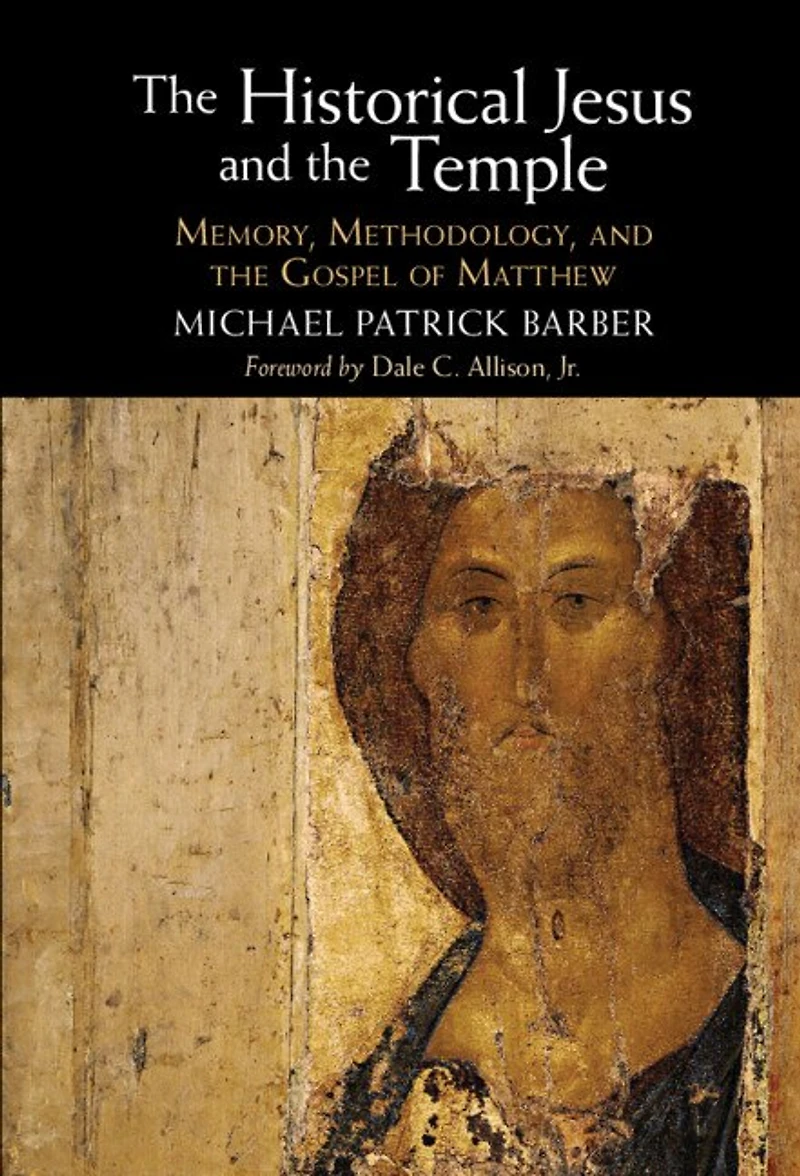
the Historical Jesus and Temple: Memory, Methodology, Gospel of Matthew
Current price: $140.95

the Historical Jesus and Temple: Memory, Methodology, Gospel of Matthew
Current price: $140.95
Loading Inventory...
Size: Hardcover
*Product information may vary - to confirm product availability, pricing, shipping and return information please contact Indigo
In this book, Michael Patrick Barber examines the role of the Jerusalem temple in the teaching of the historical Jesus. Drawing on recent discussions about methodology and memory research in Jesus studies, he advances a fresh approach to reconstructing Jesus' teaching. Barber argues that Jesus did not reject the temple's validity but that he likely participated in and endorsed its rites. Moreover, he locates Jesus' teaching within Jewish apocalyptic eschatology, showing that Jesus' message about the coming kingdom and his disciples' place in it likely involved important temple and priestly traditions that have been ignored by the quest. Barber also highlights new developments in scholarship on the Gospel of Matthew to show that its Jewish perspective offers valuable but overlooked clues about the kinds of concerns that would have likely shaped Jesus' outlook. A bold approach to a key topic in biblical studies, Barber's book is a pioneering contribution to Jesus scholarship.
In this book, Michael Patrick Barber examines the role of the Jerusalem temple in the teaching of the historical Jesus. Drawing on recent discussions about methodology and memory research in Jesus studies, he advances a fresh approach to reconstructing Jesus' teaching. Barber argues that Jesus did not reject the temple's validity but that he likely participated in and endorsed its rites. Moreover, he locates Jesus' teaching within Jewish apocalyptic eschatology, showing that Jesus' message about the coming kingdom and his disciples' place in it likely involved important temple and priestly traditions that have been ignored by the quest. Barber also highlights new developments in scholarship on the Gospel of Matthew to show that its Jewish perspective offers valuable but overlooked clues about the kinds of concerns that would have likely shaped Jesus' outlook. A bold approach to a key topic in biblical studies, Barber's book is a pioneering contribution to Jesus scholarship.
You May Also Like







More About Indigo at Erin Mills Town Centre
The largest book retailer in Canada also offers toys, music, home décor, gifts and lifestyle products. What's Inside...Books, Magazines, CD’s and DVD’s, Toys and Gifts, Home Accents, Electronics, Baby’s and Children’s Section, Bath and Body, Kitchen and Bedroom, Stationary Located outside in the exterior plaza.
5015 Glen Erin Dr, Mississauga, ON L5M 0R7, Canada
Find Indigo at Erin Mills Town Centre in Mississauga ON
Visit Indigo at Erin Mills Town Centre in Mississauga ON