

GIVE THE PERFECT GIFT
Erin Mills Town Centre Gift Cards are the perfect choice for your gift giving needs.Purchase gift cards at kiosks near the food court or centre court, at Guest Services, or click below to purchase online.PURCHASE HEREHome
The Historical Roots of Corruption: Mass Education, Economic Inequality, and State Capacity
Indigo
Loading Inventory...
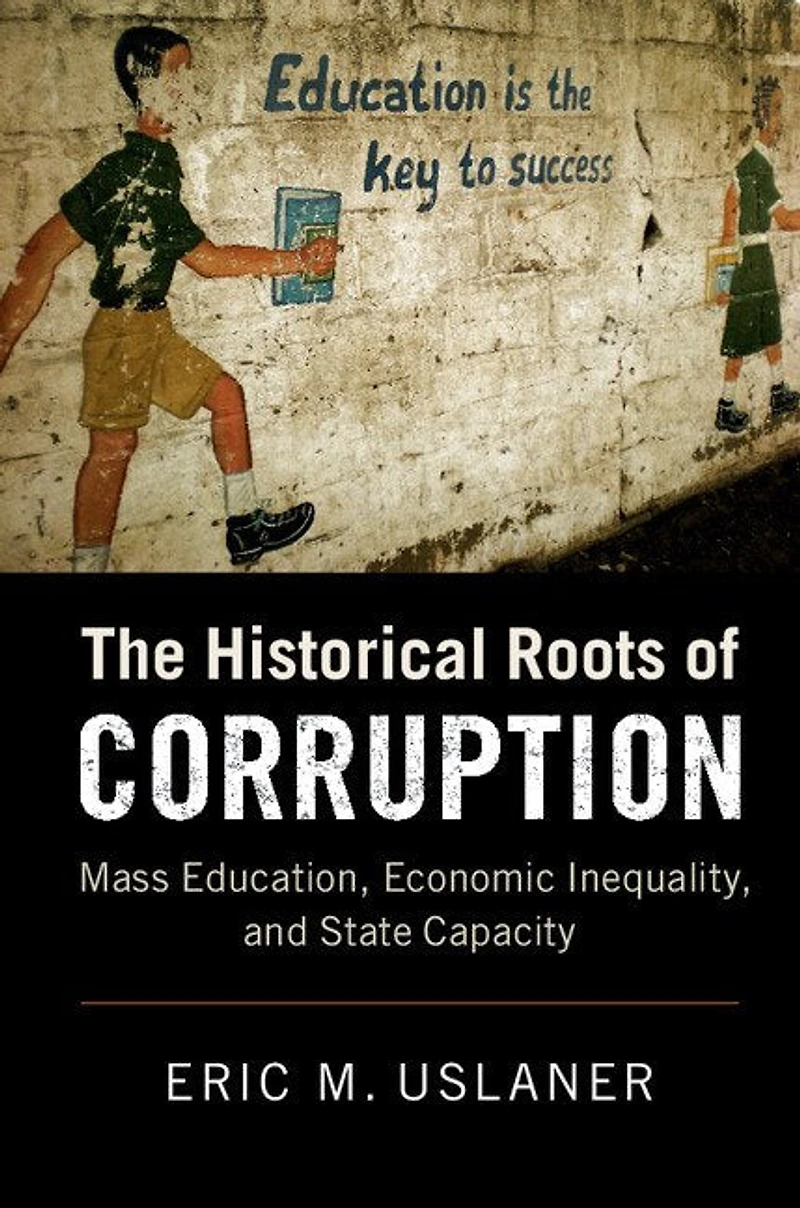
The Historical Roots of Corruption: Mass Education, Economic Inequality, and State Capacity
Current price: $100.95

The Historical Roots of Corruption: Mass Education, Economic Inequality, and State Capacity
Current price: $100.95
Loading Inventory...
Size: Hardcover
*Product information may vary - to confirm product availability, pricing, shipping and return information please contact Indigo
Why does corruption persist over long periods of time? Why is it so difficult to eliminate? Suggesting that corruption is deeply rooted in the underlying social and historical political structures of a country, Uslaner observes that there is a powerful statistical relationship between levels of mass education in 1870 and corruption levels in 2010 across 78 countries. He argues that an early introduction of universal education is shown to be linked to levels of economic equality and to efforts to increase state capacity. Societies with more equal education gave citizens more opportunities and power for opposing corruption, whilst the need for increased state capacity was a strong motivation for the introduction of universal education in many countries. Evidence for this argument is presented from statistical models, case studies from Northern and Southern Europe, Asia, Africa, Latin America, the United States, Canada, Australia, and New Zealand, as well as a discussions of how some countries escaped the 'trap' of corruption.
Why does corruption persist over long periods of time? Why is it so difficult to eliminate? Suggesting that corruption is deeply rooted in the underlying social and historical political structures of a country, Uslaner observes that there is a powerful statistical relationship between levels of mass education in 1870 and corruption levels in 2010 across 78 countries. He argues that an early introduction of universal education is shown to be linked to levels of economic equality and to efforts to increase state capacity. Societies with more equal education gave citizens more opportunities and power for opposing corruption, whilst the need for increased state capacity was a strong motivation for the introduction of universal education in many countries. Evidence for this argument is presented from statistical models, case studies from Northern and Southern Europe, Asia, Africa, Latin America, the United States, Canada, Australia, and New Zealand, as well as a discussions of how some countries escaped the 'trap' of corruption.
You May Also Like











More About Indigo at Erin Mills Town Centre
The largest book retailer in Canada also offers toys, music, home décor, gifts and lifestyle products. What's Inside...Books, Magazines, CD’s and DVD’s, Toys and Gifts, Home Accents, Electronics, Baby’s and Children’s Section, Bath and Body, Kitchen and Bedroom, Stationary Located outside in the exterior plaza.
5015 Glen Erin Dr, Mississauga, ON L5M 0R7, Canada
Find Indigo at Erin Mills Town Centre in Mississauga ON
Visit Indigo at Erin Mills Town Centre in Mississauga ON