

GIVE THE PERFECT GIFT
Erin Mills Town Centre Gift Cards are the perfect choice for your gift giving needs.Purchase gift cards at kiosks near the food court or centre court, at Guest Services, or click below to purchase online.PURCHASE HEREHome
The History and Political Transition of Zimbabwe: From Mugabe to Mnangagwa
Indigo
Loading Inventory...
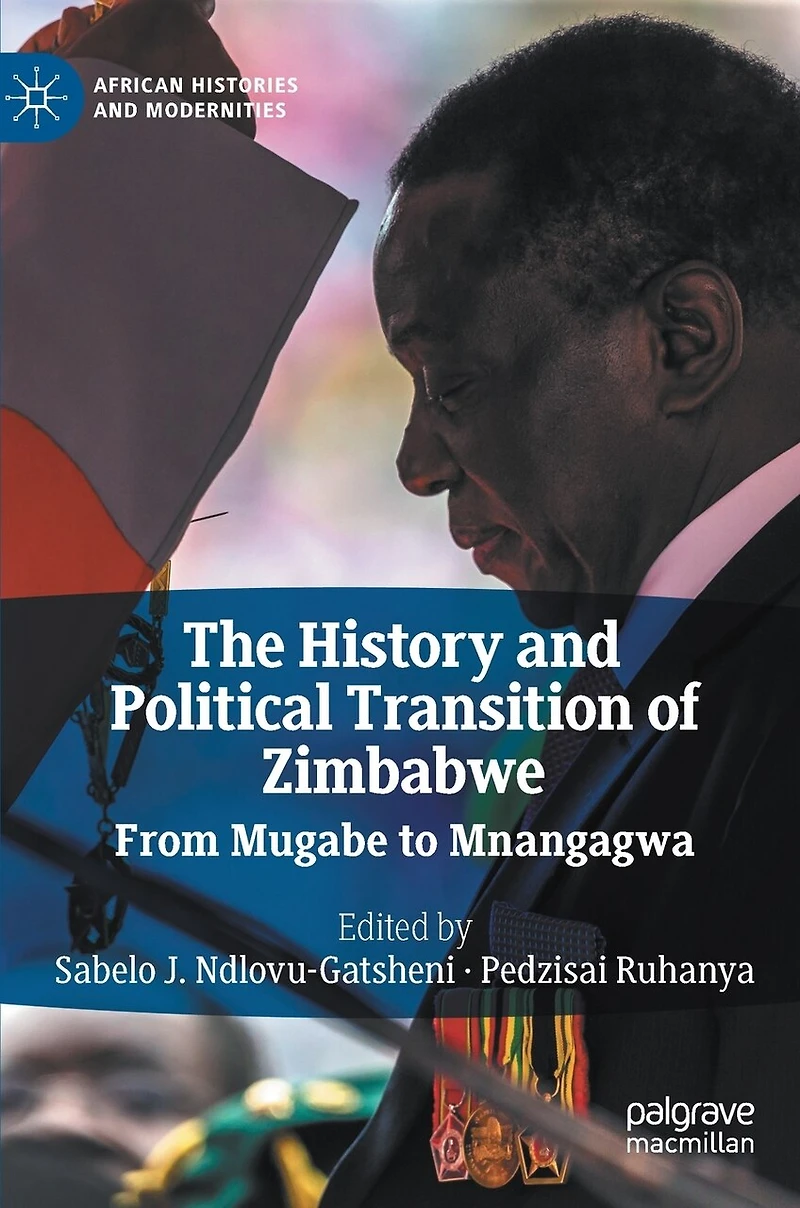
The History and Political Transition of Zimbabwe: From Mugabe to Mnangagwa
Current price: $204.50

The History and Political Transition of Zimbabwe: From Mugabe to Mnangagwa
Current price: $204.50
Loading Inventory...
Size: Hardcover
*Product information may vary - to confirm product availability, pricing, shipping and return information please contact Indigo
This book is the first to tackle the difficult and complex politics of transition in Zimbabwe, with deep historical analysis. Its focus is on a very problematic political culture that is proving very hard to transcend. At the center of this culture is an unstable but resilient 'nationalist-military' alliance crafted during the anti-colonial liberation struggle in the 1970s. Inevitably, violence, misogyny and masculinity are constitutive of the political culture. Economically speaking, the culture is that of a bureaucratic, parasitic, primitive accumulation and corruption, which include invasion and emptying of state coffers by a self-styled 'Chimurenga aristocracy.' However, this Chimurenga aristocracy is not cohesive, as the politics that led to Robert Mugabe's ousting from power was preceded by dirty and protracted internal factionalism. At the center of the factional politics was the 'first family':Robert Mugabe and his wife, Grace Mugabe. This book offers a multidisciplinary examination of the complex contemporary politics in Zimbabwe, taking seriously such issues as gender, misogyny, militarism, violence, media, identity, modes of accumulation, the ethnicization of politics, attempts to open lines of credit and FDI, national healing, and the national question as key variables not only of a complete political culture but also of difficult transitional politics.
This book is the first to tackle the difficult and complex politics of transition in Zimbabwe, with deep historical analysis. Its focus is on a very problematic political culture that is proving very hard to transcend. At the center of this culture is an unstable but resilient 'nationalist-military' alliance crafted during the anti-colonial liberation struggle in the 1970s. Inevitably, violence, misogyny and masculinity are constitutive of the political culture. Economically speaking, the culture is that of a bureaucratic, parasitic, primitive accumulation and corruption, which include invasion and emptying of state coffers by a self-styled 'Chimurenga aristocracy.' However, this Chimurenga aristocracy is not cohesive, as the politics that led to Robert Mugabe's ousting from power was preceded by dirty and protracted internal factionalism. At the center of the factional politics was the 'first family':Robert Mugabe and his wife, Grace Mugabe. This book offers a multidisciplinary examination of the complex contemporary politics in Zimbabwe, taking seriously such issues as gender, misogyny, militarism, violence, media, identity, modes of accumulation, the ethnicization of politics, attempts to open lines of credit and FDI, national healing, and the national question as key variables not only of a complete political culture but also of difficult transitional politics.
You May Also Like







More About Indigo at Erin Mills Town Centre
The largest book retailer in Canada also offers toys, music, home décor, gifts and lifestyle products. What's Inside...Books, Magazines, CD’s and DVD’s, Toys and Gifts, Home Accents, Electronics, Baby’s and Children’s Section, Bath and Body, Kitchen and Bedroom, Stationary Located outside in the exterior plaza.
5015 Glen Erin Dr, Mississauga, ON L5M 0R7, Canada
Find Indigo at Erin Mills Town Centre in Mississauga ON
Visit Indigo at Erin Mills Town Centre in Mississauga ON