

GIVE THE PERFECT GIFT
Erin Mills Town Centre Gift Cards are the perfect choice for your gift giving needs.Purchase gift cards at kiosks near the food court or centre court, at Guest Services, or click below to purchase online.PURCHASE HEREHome
The History of L’Osservatore Romano, the Holy See's Journal
Indigo
Loading Inventory...
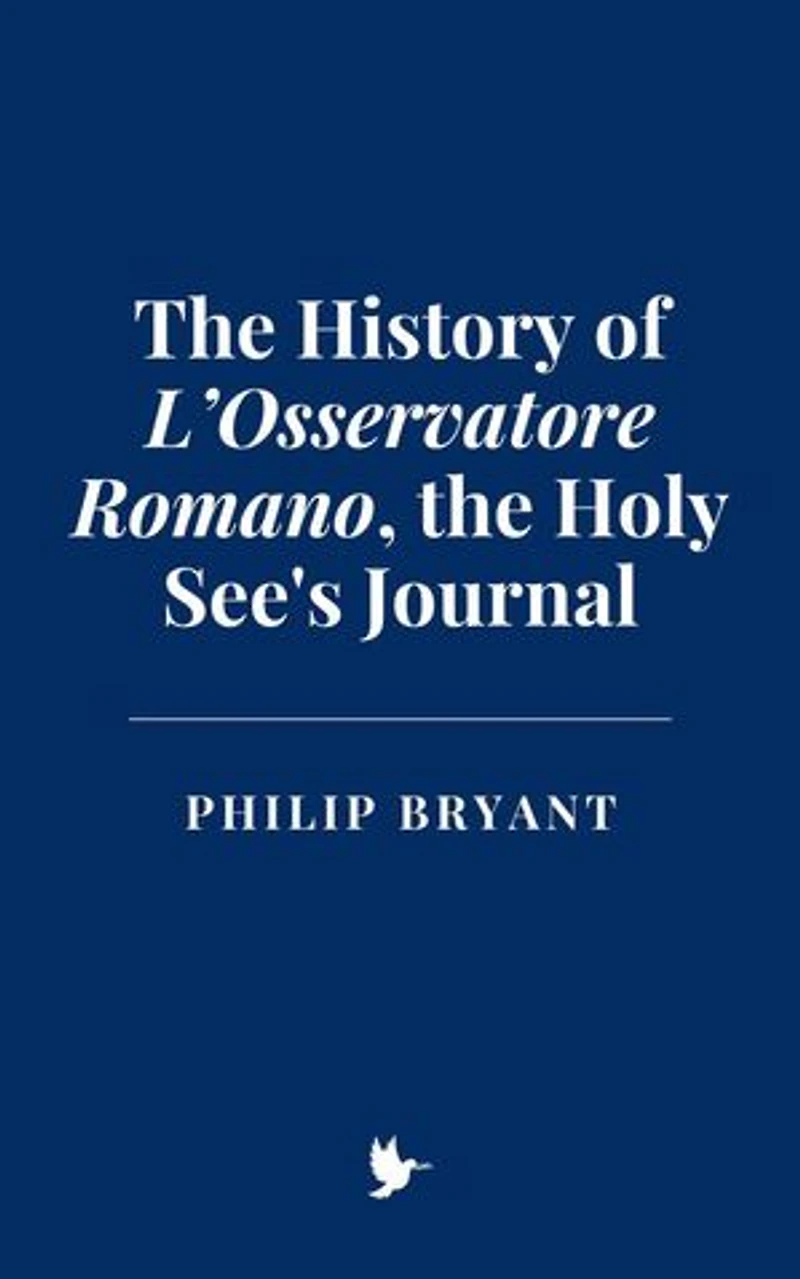
The History of L’Osservatore Romano, the Holy See's Journal
Current price: $4.99

The History of L’Osservatore Romano, the Holy See's Journal
Current price: $4.99
Loading Inventory...
Size: Kobo eBook
*Product information may vary - to confirm product availability, pricing, shipping and return information please contact Indigo
The history of L'Osservatore Romano is inseparably intertwined with the broader narrative of the Catholic Church's engagement with modernity, its relationship with the secular world, and its mission to articulate and defend the faith in a rapidly changing society. Established on July 1, 1861, in the twilight of the Papal States, the journal emerged as a response to the turbulent political and cultural upheavals of the time. Italy was undergoing its Risorgimento—a complex and contentious movement toward unification that often clashed with the interests and sovereignty of the Holy See. Against this backdrop, L'Osservatore Romano was born, not as an official organ of the Vatican initially, but as a lay initiative aiming to protect and amplify Catholic values amidst the growing secularism and anti-clericalism of 19th-century Europe.
From its inception, L'Osservatore Romano stood out as more than a simple newspaper; it was a strategic endeavor to offer intellectual and theological resistance to the forces that sought to marginalize the Church. Its founders, Nicola Zanchini and Giuseppe Bastia, envisioned a publication that could serve as a counterweight to the aggressive secular press dominating Italy at the time. The journal took its name from the Latin word observare , meaning "to observe," signifying its mission to scrutinize and comment on the events of the day through the lens of Catholic doctrine and morality.
The history of L'Osservatore Romano is inseparably intertwined with the broader narrative of the Catholic Church's engagement with modernity, its relationship with the secular world, and its mission to articulate and defend the faith in a rapidly changing society. Established on July 1, 1861, in the twilight of the Papal States, the journal emerged as a response to the turbulent political and cultural upheavals of the time. Italy was undergoing its Risorgimento—a complex and contentious movement toward unification that often clashed with the interests and sovereignty of the Holy See. Against this backdrop, L'Osservatore Romano was born, not as an official organ of the Vatican initially, but as a lay initiative aiming to protect and amplify Catholic values amidst the growing secularism and anti-clericalism of 19th-century Europe.
From its inception, L'Osservatore Romano stood out as more than a simple newspaper; it was a strategic endeavor to offer intellectual and theological resistance to the forces that sought to marginalize the Church. Its founders, Nicola Zanchini and Giuseppe Bastia, envisioned a publication that could serve as a counterweight to the aggressive secular press dominating Italy at the time. The journal took its name from the Latin word observare , meaning "to observe," signifying its mission to scrutinize and comment on the events of the day through the lens of Catholic doctrine and morality.
You May Also Like









More About Indigo at Erin Mills Town Centre
The largest book retailer in Canada also offers toys, music, home décor, gifts and lifestyle products. What's Inside...Books, Magazines, CD’s and DVD’s, Toys and Gifts, Home Accents, Electronics, Baby’s and Children’s Section, Bath and Body, Kitchen and Bedroom, Stationary Located outside in the exterior plaza.
5015 Glen Erin Dr, Mississauga, ON L5M 0R7, Canada
Find Indigo at Erin Mills Town Centre in Mississauga ON
Visit Indigo at Erin Mills Town Centre in Mississauga ON