

GIVE THE PERFECT GIFT
Erin Mills Town Centre Gift Cards are the perfect choice for your gift giving needs.Purchase gift cards at kiosks near the food court or centre court, at Guest Services, or click below to purchase online.PURCHASE HEREHome
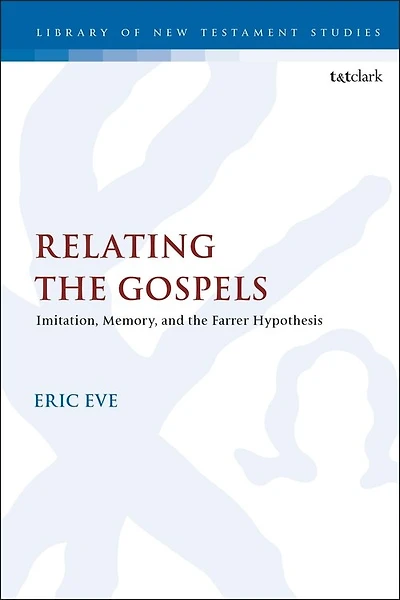
the Hypothesis of Gospels: Narrative Traditions Hellenistic Reading Culture
Indigo
Loading Inventory...
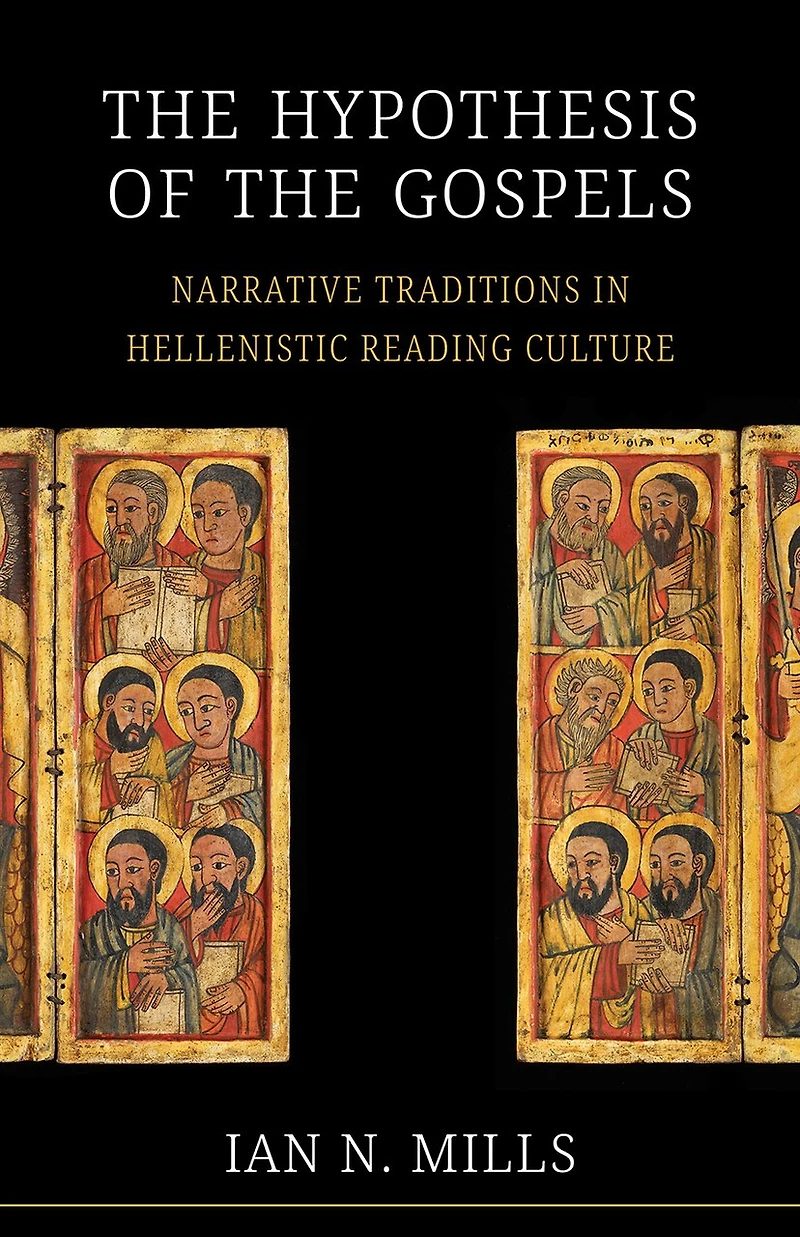
the Hypothesis of Gospels: Narrative Traditions Hellenistic Reading Culture
Current price: $43.00

the Hypothesis of Gospels: Narrative Traditions Hellenistic Reading Culture
Current price: $43.00
Loading Inventory...
Size: Hardcover
*Product information may vary - to confirm product availability, pricing, shipping and return information please contact Indigo
The gospels were not the only books in antiquity to retell the same story. Ancient readers had their own language for describing works that retread the same narrative ground. Different versions of a story were imagined as sharing a narrative core, called a hypothesis. Early Christian readers adopted this conceptual model in order to describe gospel literature, legitimize its pluriformity, and limit its diversity. Even before the term hypothesis appeared explicitly, however, readers imagined gospels in roughly the same way. Christians did not radically reimagine the literary character of gospels at the end of the second century, when hypothesis language first appeared. Rather, the components of this model are already present in the earliest evidence for the reception of gospels. The standard model for thinking about pluriform narrative traditions in Hellenistic literary culture shaped the production and interpretation of gospel literature from the very beginning.
The gospels were not the only books in antiquity to retell the same story. Ancient readers had their own language for describing works that retread the same narrative ground. Different versions of a story were imagined as sharing a narrative core, called a hypothesis. Early Christian readers adopted this conceptual model in order to describe gospel literature, legitimize its pluriformity, and limit its diversity. Even before the term hypothesis appeared explicitly, however, readers imagined gospels in roughly the same way. Christians did not radically reimagine the literary character of gospels at the end of the second century, when hypothesis language first appeared. Rather, the components of this model are already present in the earliest evidence for the reception of gospels. The standard model for thinking about pluriform narrative traditions in Hellenistic literary culture shaped the production and interpretation of gospel literature from the very beginning.
You May Also Like









More About Indigo at Erin Mills Town Centre
The largest book retailer in Canada also offers toys, music, home décor, gifts and lifestyle products. What's Inside...Books, Magazines, CD’s and DVD’s, Toys and Gifts, Home Accents, Electronics, Baby’s and Children’s Section, Bath and Body, Kitchen and Bedroom, Stationary Located outside in the exterior plaza.
5015 Glen Erin Dr, Mississauga, ON L5M 0R7, Canada
Find Indigo at Erin Mills Town Centre in Mississauga ON
Visit Indigo at Erin Mills Town Centre in Mississauga ON