

GIVE THE PERFECT GIFT
Erin Mills Town Centre Gift Cards are the perfect choice for your gift giving needs.Purchase gift cards at kiosks near the food court or centre court, at Guest Services, or click below to purchase online.PURCHASE HEREHome
The Idea of Qi/Gi: East Asian and Comparative Philosophical Perspectives
Indigo
Loading Inventory...
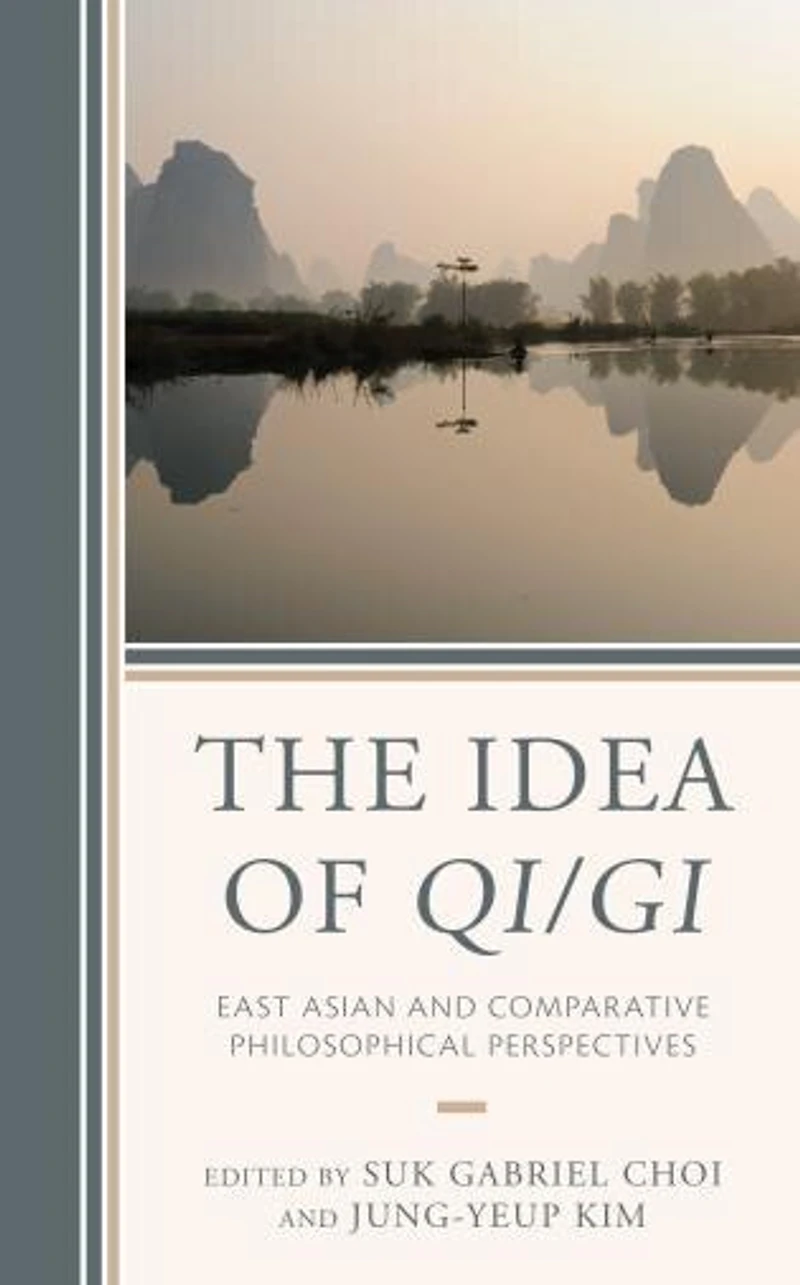
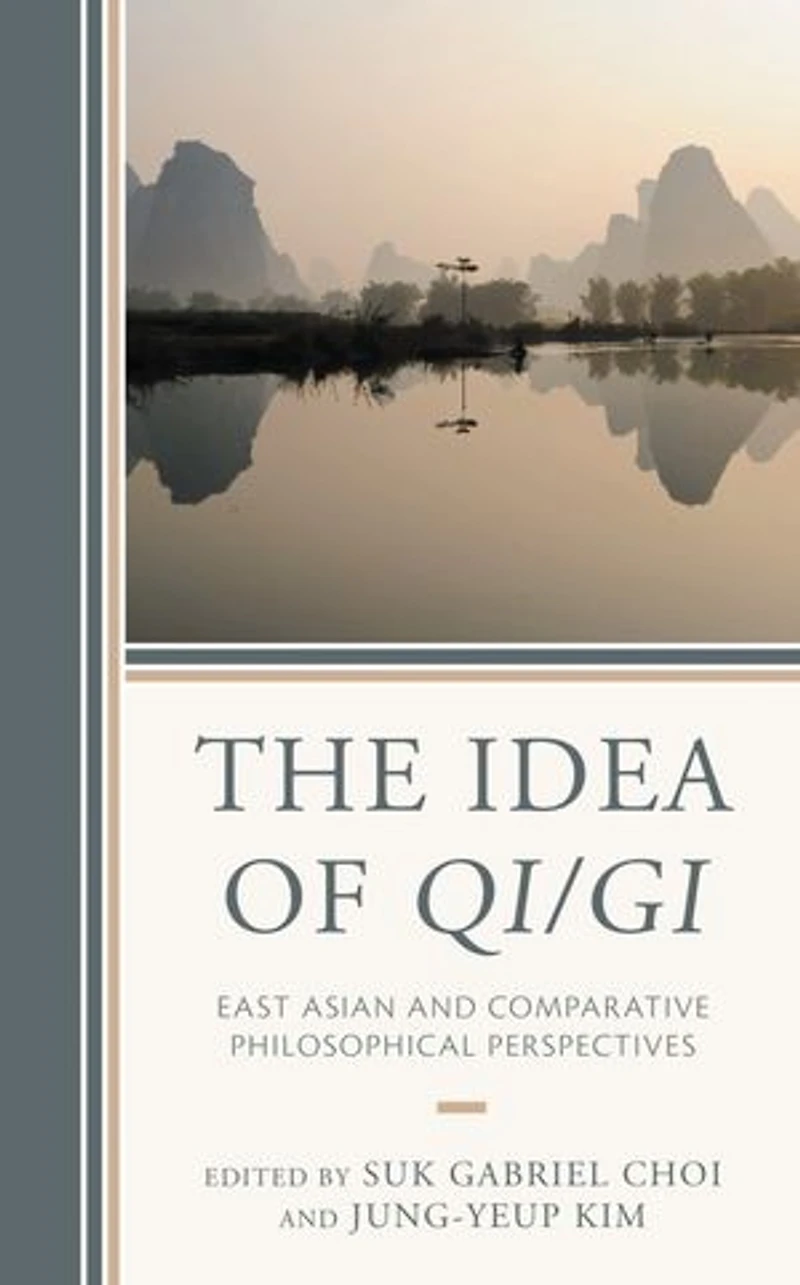
The Idea of Qi/Gi: East Asian and Comparative Philosophical Perspectives
Current price: $167.95

The Idea of Qi/Gi: East Asian and Comparative Philosophical Perspectives
Current price: $167.95
Loading Inventory...
Size: Hardcover
*Product information may vary - to confirm product availability, pricing, shipping and return information please contact Indigo
The notion of qi/gi (?) is one of the most pervasive notions found within the various areas of the East Asian intellectual and cultural traditions. While the pervasiveness of the notion provides us with an opportunity to observe the commonalities amongst the East Asian intellectual and cultural traditions, it also allows us to observe the differences. This book focuses more on understanding the different meanings and logics that the notion of qi/gi has acquired within the East Asian traditions for the purpose of understanding the diversity of these traditions. This volume begins to fulfill this task by inquiring into how the notion was understood by traditional Korean philosophers, in addition to investigating how the notion was understood by traditional Chinese philosophers.
The notion of qi/gi (?) is one of the most pervasive notions found within the various areas of the East Asian intellectual and cultural traditions. While the pervasiveness of the notion provides us with an opportunity to observe the commonalities amongst the East Asian intellectual and cultural traditions, it also allows us to observe the differences. This book focuses more on understanding the different meanings and logics that the notion of qi/gi has acquired within the East Asian traditions for the purpose of understanding the diversity of these traditions. This volume begins to fulfill this task by inquiring into how the notion was understood by traditional Korean philosophers, in addition to investigating how the notion was understood by traditional Chinese philosophers.
You May Also Like










More About Indigo at Erin Mills Town Centre
The largest book retailer in Canada also offers toys, music, home décor, gifts and lifestyle products. What's Inside...Books, Magazines, CD’s and DVD’s, Toys and Gifts, Home Accents, Electronics, Baby’s and Children’s Section, Bath and Body, Kitchen and Bedroom, Stationary Located outside in the exterior plaza.
5015 Glen Erin Dr, Mississauga, ON L5M 0R7, Canada
Find Indigo at Erin Mills Town Centre in Mississauga ON
Visit Indigo at Erin Mills Town Centre in Mississauga ON