

GIVE THE PERFECT GIFT
Erin Mills Town Centre Gift Cards are the perfect choice for your gift giving needs.Purchase gift cards at kiosks near the food court or centre court, at Guest Services, or click below to purchase online.PURCHASE HEREHome
The Immortal Commonwealth: Covenant, Community, And Political Resistance Early Reformed Thought
Indigo
Loading Inventory...
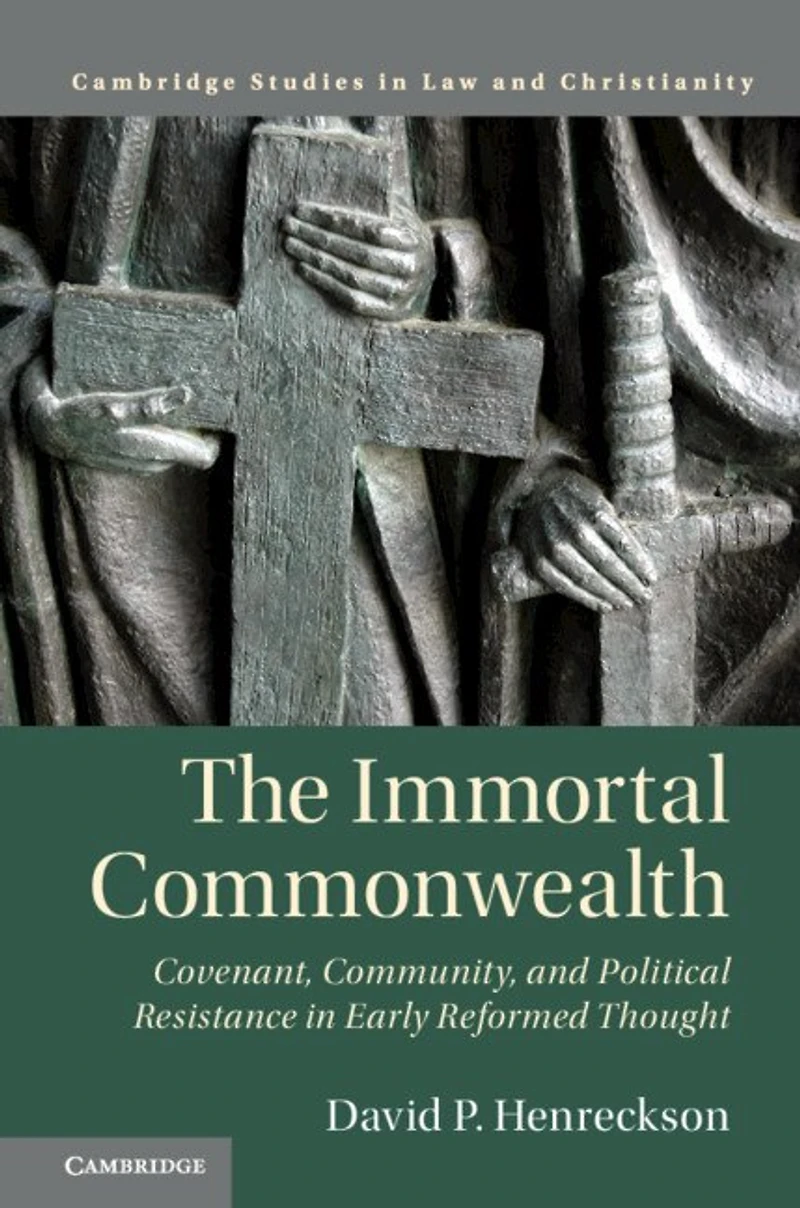
The Immortal Commonwealth: Covenant, Community, And Political Resistance Early Reformed Thought
Current price: $166.95

The Immortal Commonwealth: Covenant, Community, And Political Resistance Early Reformed Thought
Current price: $166.95
Loading Inventory...
Size: Hardcover
*Product information may vary - to confirm product availability, pricing, shipping and return information please contact Indigo
In the midst of intense religious conflict in the late sixteenth and early seventeenth century, theological and political concepts converged in remarkable ways. Incited by the slaughter of French Protestants in the Saint Bartholomew's Day Massacre, Reformed theologians and lawyers began to marshal arguments for political resistance. These theological arguments were grounded in uniquely religious conceptions of the covenant, community, and popular sovereignty. While other works of historical scholarship have focused on the political and legal sources of this strain of early modern resistance literature, The Immortal Commonwealth examines the frequently overlooked theological sources of these writings. It reveals how Reformed thinkers such as Heinrich Bullinger, John Calvin, Theodore Beza, and Johannes Althusius used traditional theological conceptions of covenant and community for surprisingly radical political ends.
In the midst of intense religious conflict in the late sixteenth and early seventeenth century, theological and political concepts converged in remarkable ways. Incited by the slaughter of French Protestants in the Saint Bartholomew's Day Massacre, Reformed theologians and lawyers began to marshal arguments for political resistance. These theological arguments were grounded in uniquely religious conceptions of the covenant, community, and popular sovereignty. While other works of historical scholarship have focused on the political and legal sources of this strain of early modern resistance literature, The Immortal Commonwealth examines the frequently overlooked theological sources of these writings. It reveals how Reformed thinkers such as Heinrich Bullinger, John Calvin, Theodore Beza, and Johannes Althusius used traditional theological conceptions of covenant and community for surprisingly radical political ends.
You May Also Like







More About Indigo at Erin Mills Town Centre
The largest book retailer in Canada also offers toys, music, home décor, gifts and lifestyle products. What's Inside...Books, Magazines, CD’s and DVD’s, Toys and Gifts, Home Accents, Electronics, Baby’s and Children’s Section, Bath and Body, Kitchen and Bedroom, Stationary Located outside in the exterior plaza.
5015 Glen Erin Dr, Mississauga, ON L5M 0R7, Canada
Find Indigo at Erin Mills Town Centre in Mississauga ON
Visit Indigo at Erin Mills Town Centre in Mississauga ON