

GIVE THE PERFECT GIFT
Erin Mills Town Centre Gift Cards are the perfect choice for your gift giving needs.Purchase gift cards at kiosks near the food court or centre court, at Guest Services, or click below to purchase online.PURCHASE HEREHome
The inequality of human races
Indigo
Loading Inventory...
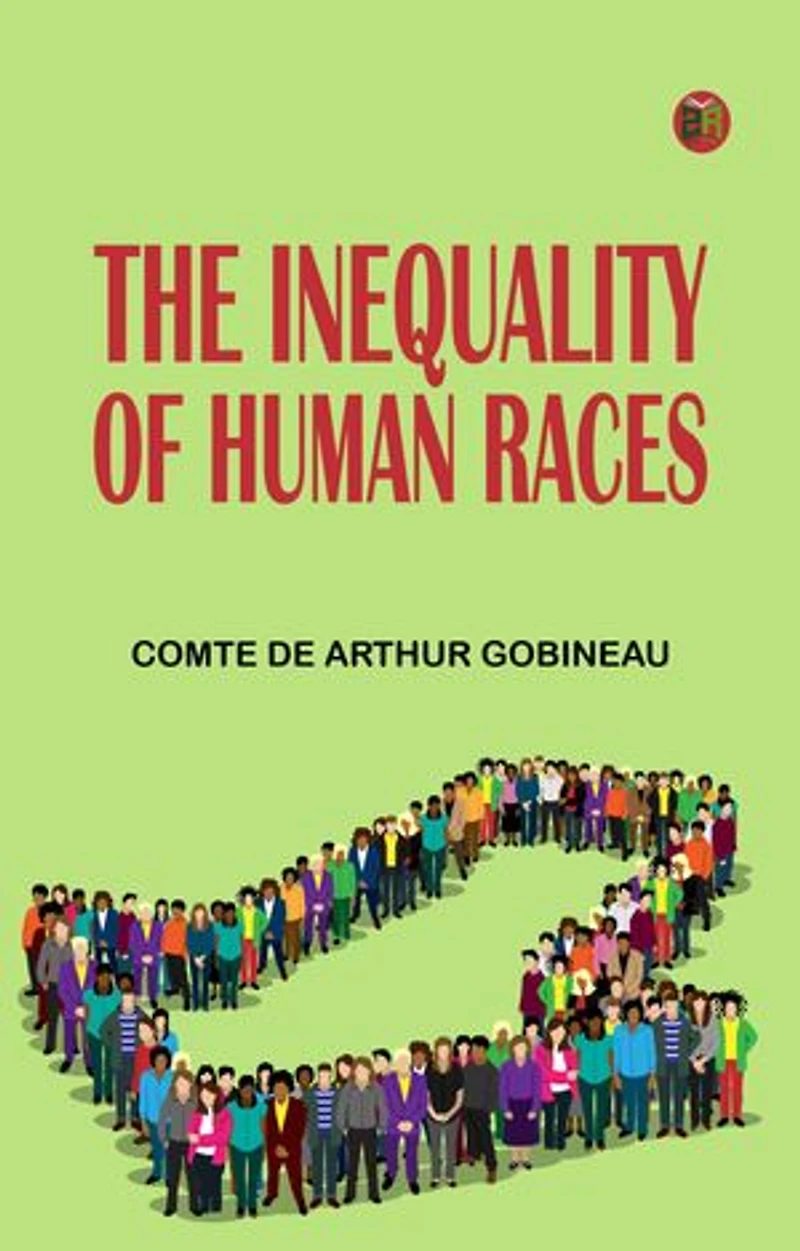
The inequality of human races
Current price: $1.32

The inequality of human races
Current price: $1.32
Loading Inventory...
Size: Kobo eBook
*Product information may vary - to confirm product availability, pricing, shipping and return information please contact Indigo
The Inequality of Human Races is a seminal work by Arthur de Gobineau that explores the concept of racial hierarchy and its implications for civilization and society. In this book, Gobineau argues that human races are inherently unequal in their intellectual and moral capacities, positing that these differences are significant in determining the fate of civilizations.Gobineau categorizes humanity into three primary races: the white (Aryan), the yellow (Asian), and the black (African), asserting that the white race is superior in terms of cultural achievements and intellectual development. He links the decline of civilizations to the mixing of races, which he claims dilutes the qualities of the superior race. His views reflect the prevailing ethnocentric attitudes of the 19th century and have since been discredited as pseudoscientific.
The Inequality of Human Races is a seminal work by Arthur de Gobineau that explores the concept of racial hierarchy and its implications for civilization and society. In this book, Gobineau argues that human races are inherently unequal in their intellectual and moral capacities, positing that these differences are significant in determining the fate of civilizations.Gobineau categorizes humanity into three primary races: the white (Aryan), the yellow (Asian), and the black (African), asserting that the white race is superior in terms of cultural achievements and intellectual development. He links the decline of civilizations to the mixing of races, which he claims dilutes the qualities of the superior race. His views reflect the prevailing ethnocentric attitudes of the 19th century and have since been discredited as pseudoscientific.
You May Also Like








More About Indigo at Erin Mills Town Centre
The largest book retailer in Canada also offers toys, music, home décor, gifts and lifestyle products. What's Inside...Books, Magazines, CD’s and DVD’s, Toys and Gifts, Home Accents, Electronics, Baby’s and Children’s Section, Bath and Body, Kitchen and Bedroom, Stationary Located outside in the exterior plaza.
5015 Glen Erin Dr, Mississauga, ON L5M 0R7, Canada
Find Indigo at Erin Mills Town Centre in Mississauga ON
Visit Indigo at Erin Mills Town Centre in Mississauga ON