

GIVE THE PERFECT GIFT
Erin Mills Town Centre Gift Cards are the perfect choice for your gift giving needs.Purchase gift cards at kiosks near the food court or centre court, at Guest Services, or click below to purchase online.PURCHASE HEREHome
The Intelligencers: British Military Intelligence From the Middle Ages to 1929
Indigo
Loading Inventory...
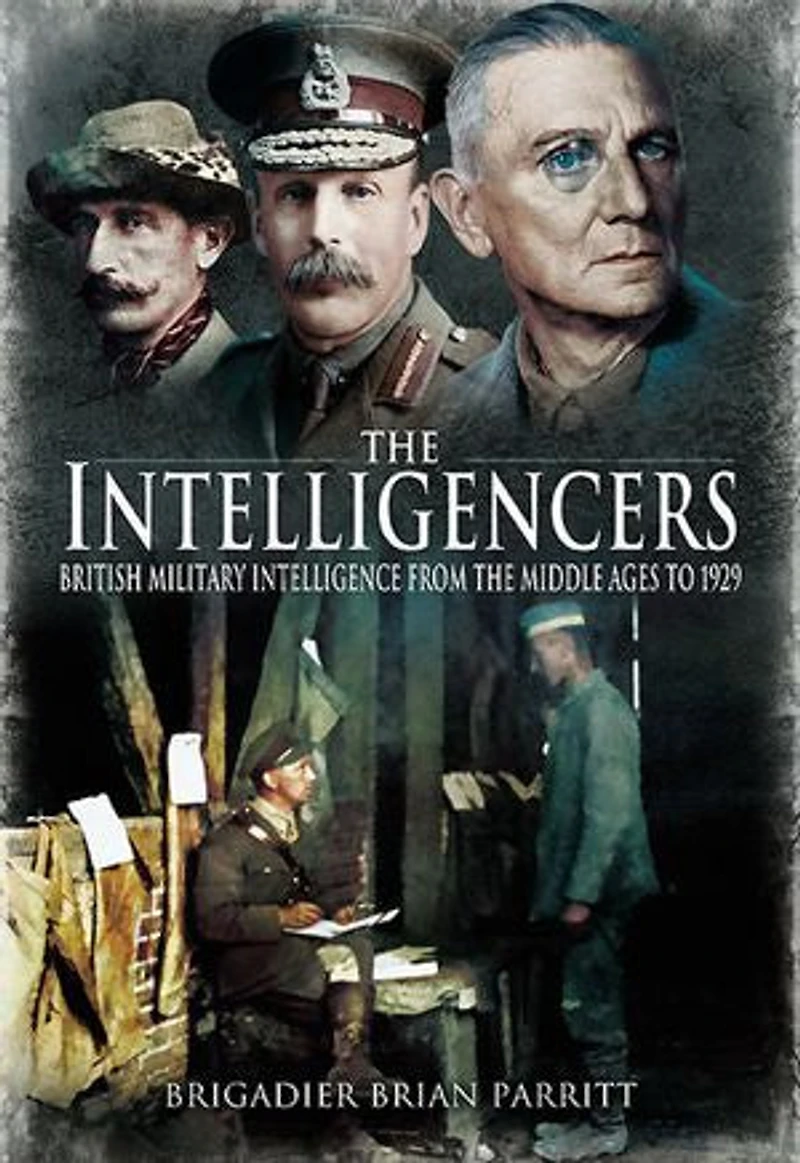
The Intelligencers: British Military Intelligence From the Middle Ages to 1929
Current price: $12.79
Original price: $15.99

The Intelligencers: British Military Intelligence From the Middle Ages to 1929
Current price: $12.79
Original price: $15.99
Loading Inventory...
Size: Kobo eBook
*Product information may vary - to confirm product availability, pricing, shipping and return information please contact Indigo
Intelligence about the enemy is a fundamental part of any war or battle; knowledge of the enemys strength, dispositions and intentions are essential for success. This book reveals that for 250 years the British Army resolutely failed to prepare for war by refusing to establish a nucleus of soldiers in peace, trained to obtain intelligence in war. Although there were Scoutmasters and secret spy organizations such as Walsinghams in the 15th Century, in no major conflict from the Civil War of 1642, including the Peninsula, the Crimea, Burma, Egypt and South Africa and in the multitude of small wars that gained Britain an empire, was there any staff branch or unit specifically pre-established to gain intelligence or frustrate the enemy from obtaining intelligence. Yet the story of British military endeavor over 250 years is a remarkable story of individuals bravery, achievement and success. We read of the Scoutmaster whose role was to gather intelligence on the Kings enemies and of Walsinghams secret organization at the time of Elizabeth I. During the long years of war against France culminating in the Napoleonic Wars, spy masters developed on an ad hoc basis. In the Nineteenth Century, despite the power and reach of Empire, no central intelligence organization existed. Enterprising young officers worked wonders but failures such as those in the Boer War cost the Nation dearly. It took the reverses in the Great War to create an Intelligence Corps. But even that was disbanded postwar.
Intelligence about the enemy is a fundamental part of any war or battle; knowledge of the enemys strength, dispositions and intentions are essential for success. This book reveals that for 250 years the British Army resolutely failed to prepare for war by refusing to establish a nucleus of soldiers in peace, trained to obtain intelligence in war. Although there were Scoutmasters and secret spy organizations such as Walsinghams in the 15th Century, in no major conflict from the Civil War of 1642, including the Peninsula, the Crimea, Burma, Egypt and South Africa and in the multitude of small wars that gained Britain an empire, was there any staff branch or unit specifically pre-established to gain intelligence or frustrate the enemy from obtaining intelligence. Yet the story of British military endeavor over 250 years is a remarkable story of individuals bravery, achievement and success. We read of the Scoutmaster whose role was to gather intelligence on the Kings enemies and of Walsinghams secret organization at the time of Elizabeth I. During the long years of war against France culminating in the Napoleonic Wars, spy masters developed on an ad hoc basis. In the Nineteenth Century, despite the power and reach of Empire, no central intelligence organization existed. Enterprising young officers worked wonders but failures such as those in the Boer War cost the Nation dearly. It took the reverses in the Great War to create an Intelligence Corps. But even that was disbanded postwar.
You May Also Like








More About Indigo at Erin Mills Town Centre
The largest book retailer in Canada also offers toys, music, home décor, gifts and lifestyle products. What's Inside...Books, Magazines, CD’s and DVD’s, Toys and Gifts, Home Accents, Electronics, Baby’s and Children’s Section, Bath and Body, Kitchen and Bedroom, Stationary Located outside in the exterior plaza.
5015 Glen Erin Dr, Mississauga, ON L5M 0R7, Canada
Find Indigo at Erin Mills Town Centre in Mississauga ON
Visit Indigo at Erin Mills Town Centre in Mississauga ON