

GIVE THE PERFECT GIFT
Erin Mills Town Centre Gift Cards are the perfect choice for your gift giving needs.Purchase gift cards at kiosks near the food court or centre court, at Guest Services, or click below to purchase online.PURCHASE HEREHome
The Internal Fabric of Western Security
Indigo
Loading Inventory...
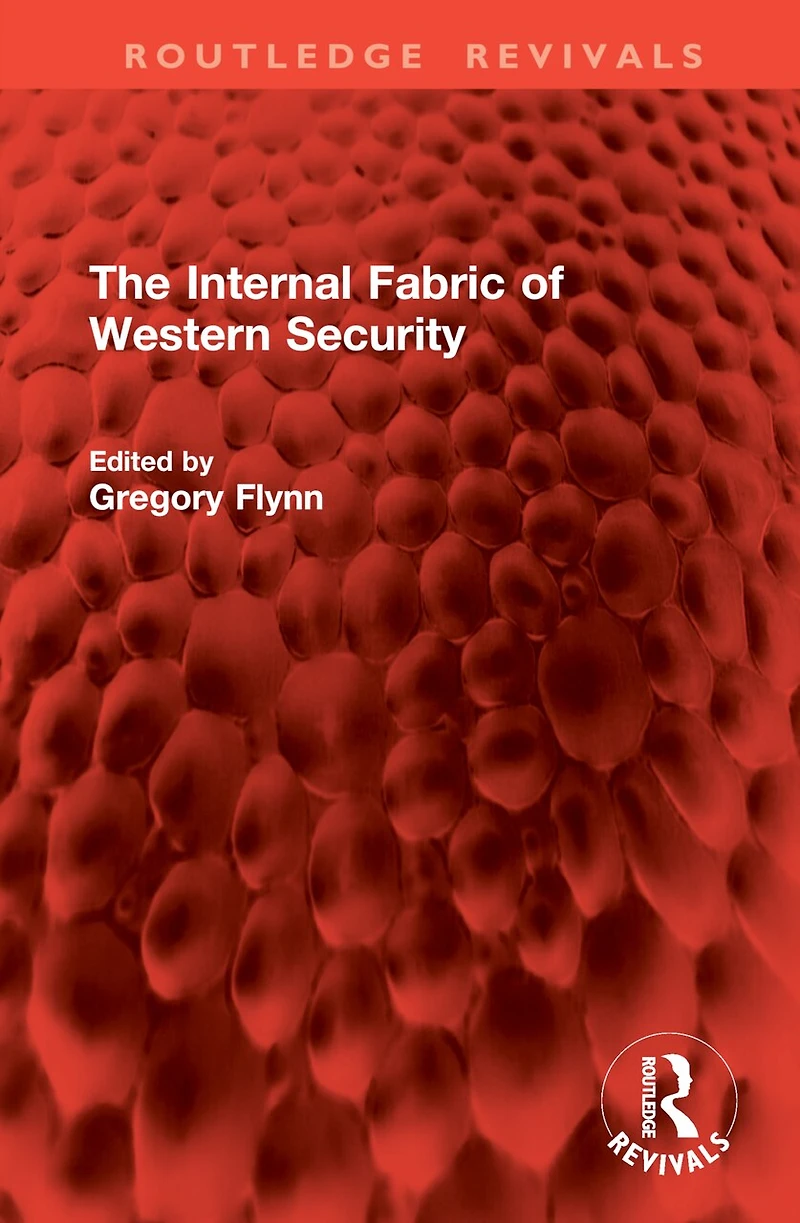

The Internal Fabric of Western Security
Current price: $187.95

The Internal Fabric of Western Security
Current price: $187.95
Loading Inventory...
Size: Hardcover
*Product information may vary - to confirm product availability, pricing, shipping and return information please contact Indigo
Changes in domestic economic and political conditions, together with a loss of confidence in the United States leadership produced serious problems within the Atlantic Alliance. The Internal Fabric of Western Security (first published in 1981) examines the effects of domestic change upon perceived security requirements and explores ways to deal with the problems that developed. Beginning with an examination of Allied and European relations, the book outlines external challenges to security that the Alliance faces in the 1980s and discusses internal problems that affect member nations' ability to deal with them. Country studies of the four largest European members of the Alliance systematically examine domestic constraints on security policy and assess probable approaches for the 1980s. A more general analysis is offered on how this situation affects the Allies' ability to work together in dealing with their common security problems. The need to integrate economic and military requirements is also discussed.
Changes in domestic economic and political conditions, together with a loss of confidence in the United States leadership produced serious problems within the Atlantic Alliance. The Internal Fabric of Western Security (first published in 1981) examines the effects of domestic change upon perceived security requirements and explores ways to deal with the problems that developed. Beginning with an examination of Allied and European relations, the book outlines external challenges to security that the Alliance faces in the 1980s and discusses internal problems that affect member nations' ability to deal with them. Country studies of the four largest European members of the Alliance systematically examine domestic constraints on security policy and assess probable approaches for the 1980s. A more general analysis is offered on how this situation affects the Allies' ability to work together in dealing with their common security problems. The need to integrate economic and military requirements is also discussed.
You May Also Like














More About Indigo at Erin Mills Town Centre
The largest book retailer in Canada also offers toys, music, home décor, gifts and lifestyle products. What's Inside...Books, Magazines, CD’s and DVD’s, Toys and Gifts, Home Accents, Electronics, Baby’s and Children’s Section, Bath and Body, Kitchen and Bedroom, Stationary Located outside in the exterior plaza.
5015 Glen Erin Dr, Mississauga, ON L5M 0R7, Canada
Find Indigo at Erin Mills Town Centre in Mississauga ON
Visit Indigo at Erin Mills Town Centre in Mississauga ON