

GIVE THE PERFECT GIFT
Erin Mills Town Centre Gift Cards are the perfect choice for your gift giving needs.Purchase gift cards at kiosks near the food court or centre court, at Guest Services, or click below to purchase online.PURCHASE HEREHome
the Invisible Tax: How Universities Shape Chinese International Students' Wellbeing United States
Indigo
Loading Inventory...

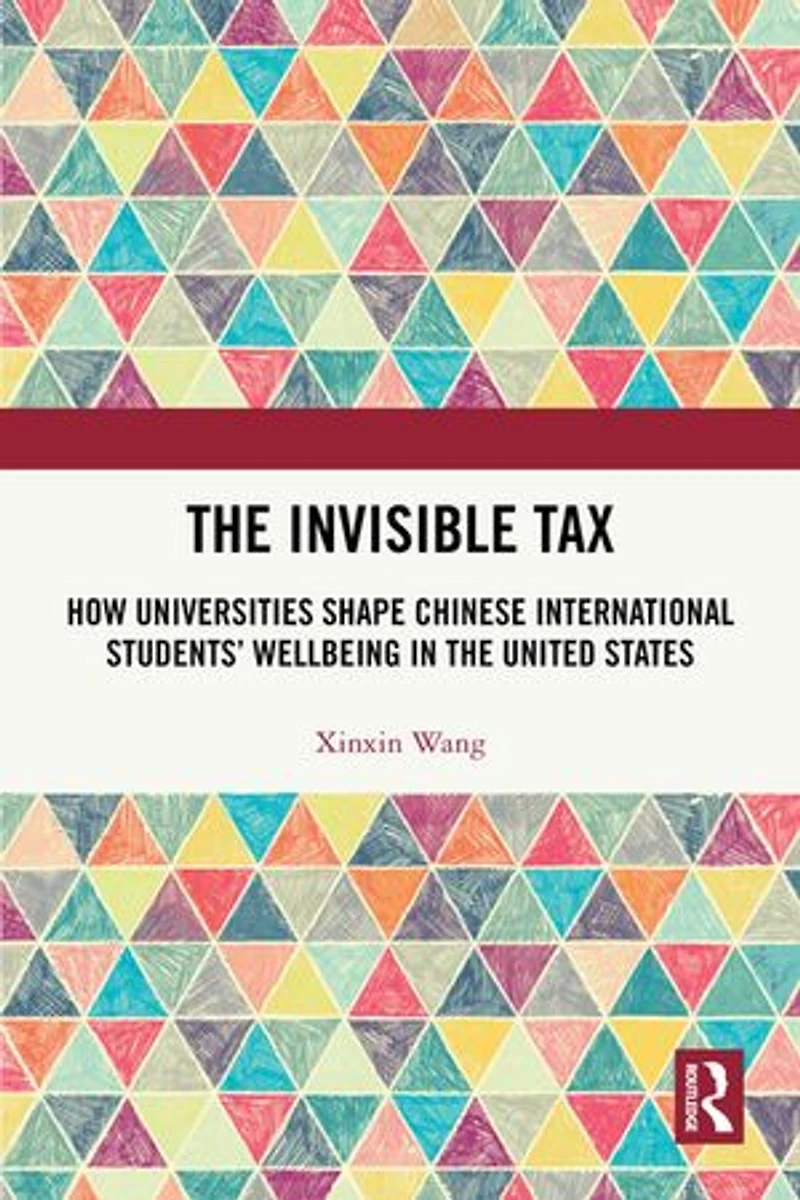
the Invisible Tax: How Universities Shape Chinese International Students' Wellbeing United States
Current price: $296.50

the Invisible Tax: How Universities Shape Chinese International Students' Wellbeing United States
Current price: $296.50
Loading Inventory...
Size: Hardcover
*Product information may vary - to confirm product availability, pricing, shipping and return information please contact Indigo
Chinese international students contribute billions to U.S. universities but face an "invisible tax" of institutional neglect. This mixed-method study reveals that campus climate, rather than formal support services, shapes student wellbeing, exposing how universities profit while undervaluing students' cultural and social capital. The internationalization of U.S. higher education has generated significant economic gains, yet these revenue-generating students often encounter institutional climates that marginalize their contributions while exploiting their presence-a phenomenon termed the "invisible tax." Drawing on Bourdieu's relational sociology alongside critical race and organizational theories, this book shifts the focus from deficit-based narratives to institutional accountability. It offers an evidence-based framework for fostering inclusive campus environments that value the capital international students bring. The book is an essential resource for researchers, academics and graduate students in international education, higher education studies and organizational behavior, particularly those examining policy volatility, institutional support systems and student wellbeing.
Chinese international students contribute billions to U.S. universities but face an "invisible tax" of institutional neglect. This mixed-method study reveals that campus climate, rather than formal support services, shapes student wellbeing, exposing how universities profit while undervaluing students' cultural and social capital. The internationalization of U.S. higher education has generated significant economic gains, yet these revenue-generating students often encounter institutional climates that marginalize their contributions while exploiting their presence-a phenomenon termed the "invisible tax." Drawing on Bourdieu's relational sociology alongside critical race and organizational theories, this book shifts the focus from deficit-based narratives to institutional accountability. It offers an evidence-based framework for fostering inclusive campus environments that value the capital international students bring. The book is an essential resource for researchers, academics and graduate students in international education, higher education studies and organizational behavior, particularly those examining policy volatility, institutional support systems and student wellbeing.
You May Also Like














More About Indigo at Erin Mills Town Centre
The largest book retailer in Canada also offers toys, music, home décor, gifts and lifestyle products. What's Inside...Books, Magazines, CD’s and DVD’s, Toys and Gifts, Home Accents, Electronics, Baby’s and Children’s Section, Bath and Body, Kitchen and Bedroom, Stationary Located outside in the exterior plaza.
5015 Glen Erin Dr, Mississauga, ON L5M 0R7, Canada
Find Indigo at Erin Mills Town Centre in Mississauga ON
Visit Indigo at Erin Mills Town Centre in Mississauga ON