

GIVE THE PERFECT GIFT
Erin Mills Town Centre Gift Cards are the perfect choice for your gift giving needs.Purchase gift cards at kiosks near the food court or centre court, at Guest Services, or click below to purchase online.PURCHASE HEREHome
the Iron Men of Shropshire: How They Put World to Work
Indigo
Loading Inventory...
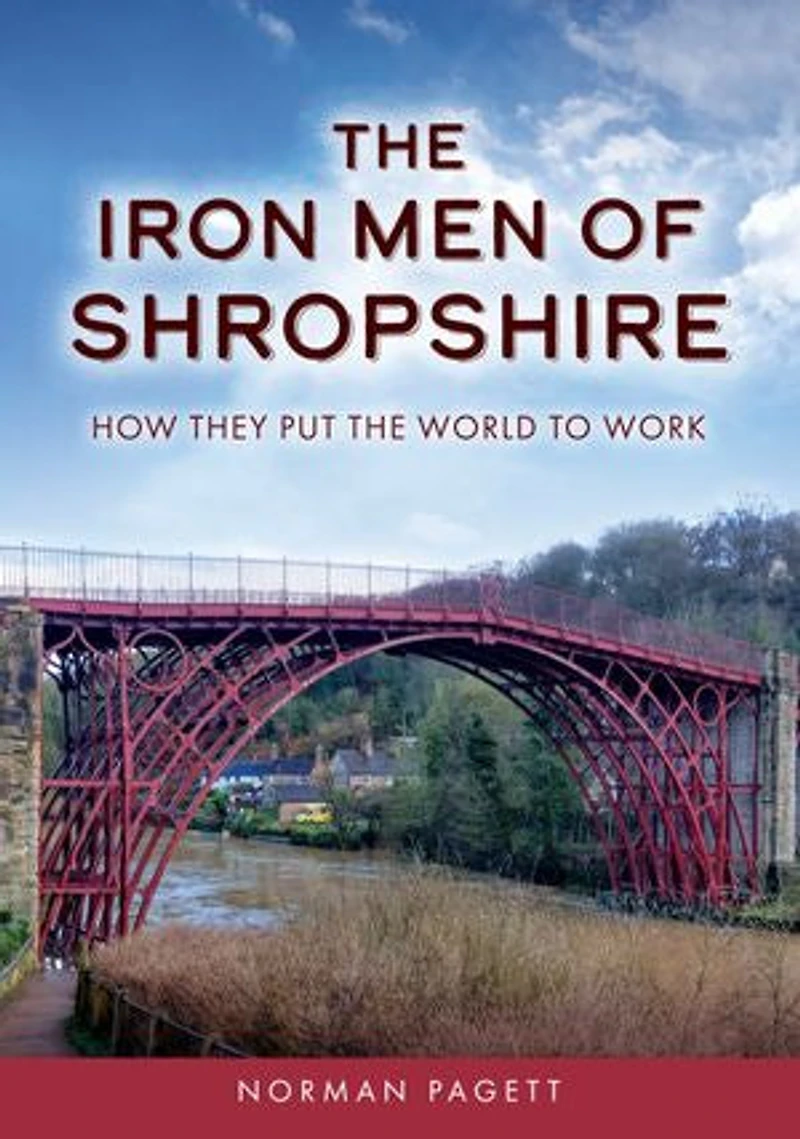
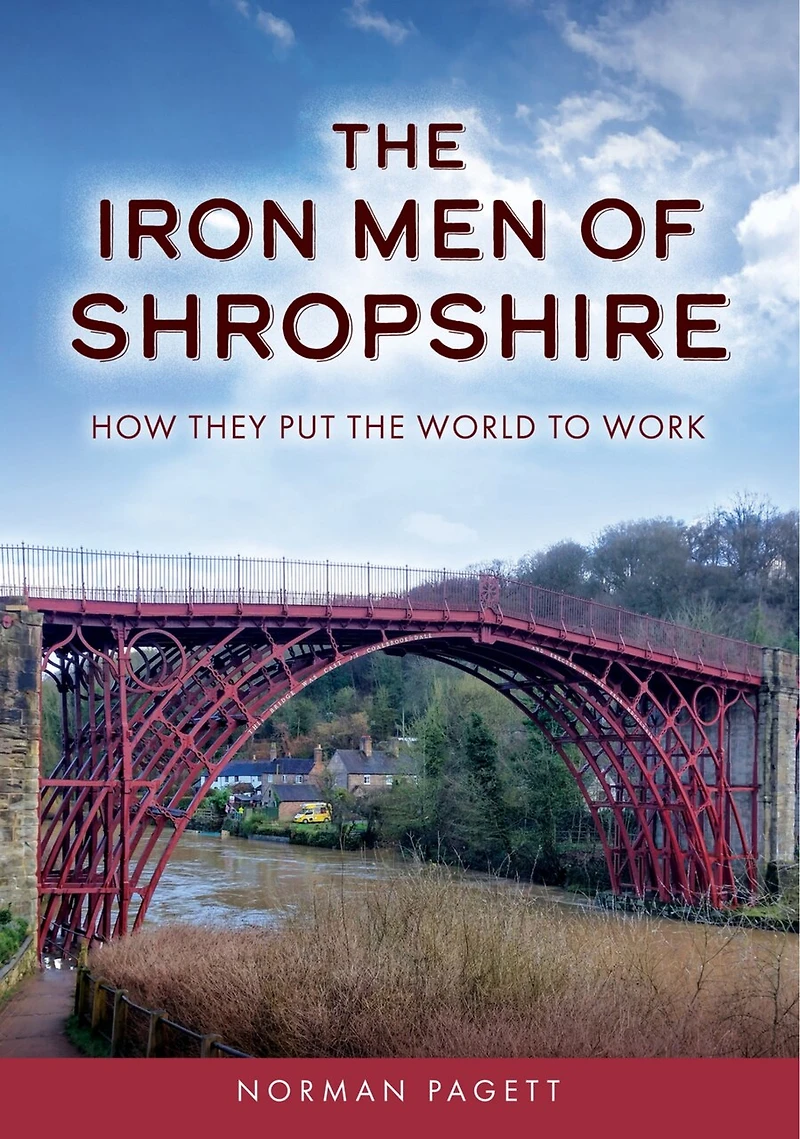
the Iron Men of Shropshire: How They Put World to Work
Current price: $17.99
Original price: $22.40

the Iron Men of Shropshire: How They Put World to Work
Current price: $17.99
Original price: $22.40
Loading Inventory...
Size: Kobo eBook
*Product information may vary - to confirm product availability, pricing, shipping and return information please contact Indigo
Though the Industrial Revolution was born in Shropshire, iron-working techniques had been known for millennia. However, it was an expensive undertaking in real terms, needing large amounts of wood to make the charcoal to produce the iron and objects that had to be beaten out in a blacksmith’s forge.
Then one man made the breakthrough that kickstarted the Industrial Revolution: making iron in vast quantities using coke instead of charcoal. In 1709 Abraham Darby built his pioneering coke-fired blast furnace to produce cast iron at Coalbrookdale.
Abundant iron and coal brought together men with a common purpose. Amongst them, Wilkinson and Watt developed the technology of the modern steam engine. Richard Trevithick built his viable locomotive here, whilst Abraham Darby II supplied the iron rails for it. Hazledine’s ironworks at Shrewsbury built the Ditherington Flax Mill, still standing today as the grandfather of all skyscrapers. Thomas Telford became surveyor of public works here, and built forty bridges in the county, churches, major canal infrastructure, and the London to Holyhead road.
It was the technology and vision of these men that set the groundwork for modern mass production, which built our cities and all the complexity that sustains them, and us.
Though the Industrial Revolution was born in Shropshire, iron-working techniques had been known for millennia. However, it was an expensive undertaking in real terms, needing large amounts of wood to make the charcoal to produce the iron and objects that had to be beaten out in a blacksmith’s forge.
Then one man made the breakthrough that kickstarted the Industrial Revolution: making iron in vast quantities using coke instead of charcoal. In 1709 Abraham Darby built his pioneering coke-fired blast furnace to produce cast iron at Coalbrookdale.
Abundant iron and coal brought together men with a common purpose. Amongst them, Wilkinson and Watt developed the technology of the modern steam engine. Richard Trevithick built his viable locomotive here, whilst Abraham Darby II supplied the iron rails for it. Hazledine’s ironworks at Shrewsbury built the Ditherington Flax Mill, still standing today as the grandfather of all skyscrapers. Thomas Telford became surveyor of public works here, and built forty bridges in the county, churches, major canal infrastructure, and the London to Holyhead road.
It was the technology and vision of these men that set the groundwork for modern mass production, which built our cities and all the complexity that sustains them, and us.
You May Also Like











More About Indigo at Erin Mills Town Centre
The largest book retailer in Canada also offers toys, music, home décor, gifts and lifestyle products. What's Inside...Books, Magazines, CD’s and DVD’s, Toys and Gifts, Home Accents, Electronics, Baby’s and Children’s Section, Bath and Body, Kitchen and Bedroom, Stationary Located outside in the exterior plaza.
5015 Glen Erin Dr, Mississauga, ON L5M 0R7, Canada
Find Indigo at Erin Mills Town Centre in Mississauga ON
Visit Indigo at Erin Mills Town Centre in Mississauga ON