

GIVE THE PERFECT GIFT
Erin Mills Town Centre Gift Cards are the perfect choice for your gift giving needs.Purchase gift cards at kiosks near the food court or centre court, at Guest Services, or click below to purchase online.PURCHASE HEREHome
The Lady of the Camellias: With Linked Table of Contents
Indigo
Loading Inventory...
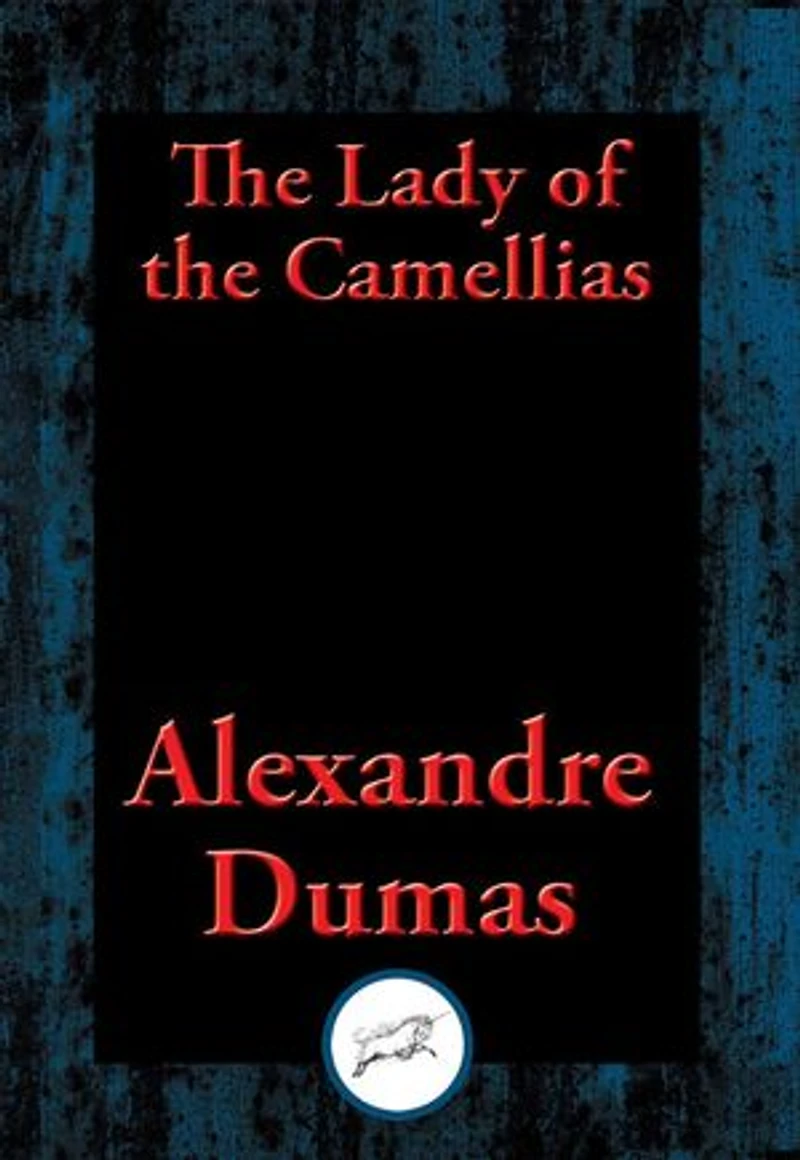
The Lady of the Camellias: With Linked Table of Contents
Current price: $2.99

The Lady of the Camellias: With Linked Table of Contents
Current price: $2.99
Loading Inventory...
Size: Kobo eBook
*Product information may vary - to confirm product availability, pricing, shipping and return information please contact Indigo
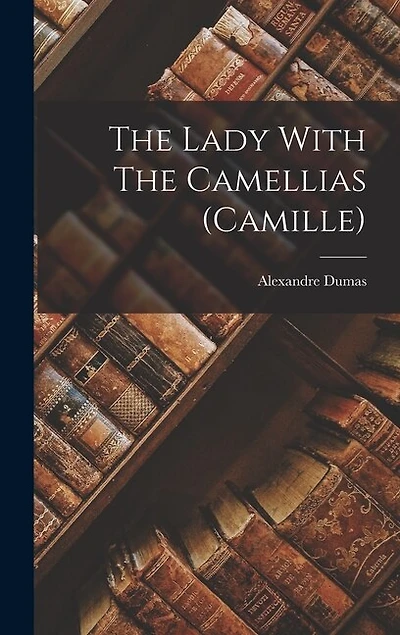
‘The Lady of the Camellias’ is a novel by Alexandre Dumas, subsequently adapted for the stage (becoming known as ‘Camille’ in the English-speaking world), and then becoming the opera ‘La Traviata.’ The title character is based on Marie Duplessis, the real-life lover of Dumas. In this tale, a young provincial bourgeois, Armand, falls in love with a 'courtisane' named Marguerite, and ultimately becomes her lover, convincing her to turn her back on her life as a 'courtisane' and live with him in the countryside. This idyllic existence is broken by Armand's father, who, concerned by the scandal created by the illicit relationship and fearful that it will destroy his daughter's (Armand's sister's) chances of marriage, convinces Marguerite to leave Armand, who believes, up until Marguerite's death, that she has left him for another man.
‘The Lady of the Camellias’ is a novel by Alexandre Dumas, subsequently adapted for the stage (becoming known as ‘Camille’ in the English-speaking world), and then becoming the opera ‘La Traviata.’ The title character is based on Marie Duplessis, the real-life lover of Dumas. In this tale, a young provincial bourgeois, Armand, falls in love with a 'courtisane' named Marguerite, and ultimately becomes her lover, convincing her to turn her back on her life as a 'courtisane' and live with him in the countryside. This idyllic existence is broken by Armand's father, who, concerned by the scandal created by the illicit relationship and fearful that it will destroy his daughter's (Armand's sister's) chances of marriage, convinces Marguerite to leave Armand, who believes, up until Marguerite's death, that she has left him for another man.
You May Also Like








More About Indigo at Erin Mills Town Centre
The largest book retailer in Canada also offers toys, music, home décor, gifts and lifestyle products. What's Inside...Books, Magazines, CD’s and DVD’s, Toys and Gifts, Home Accents, Electronics, Baby’s and Children’s Section, Bath and Body, Kitchen and Bedroom, Stationary Located outside in the exterior plaza.
5015 Glen Erin Dr, Mississauga, ON L5M 0R7, Canada
Find Indigo at Erin Mills Town Centre in Mississauga ON
Visit Indigo at Erin Mills Town Centre in Mississauga ON