

GIVE THE PERFECT GIFT
Erin Mills Town Centre Gift Cards are the perfect choice for your gift giving needs.Purchase gift cards at kiosks near the food court or centre court, at Guest Services, or click below to purchase online.PURCHASE HEREHome
the Land Is Sung: Zulu Performances and Politics of Place
Indigo
Loading Inventory...
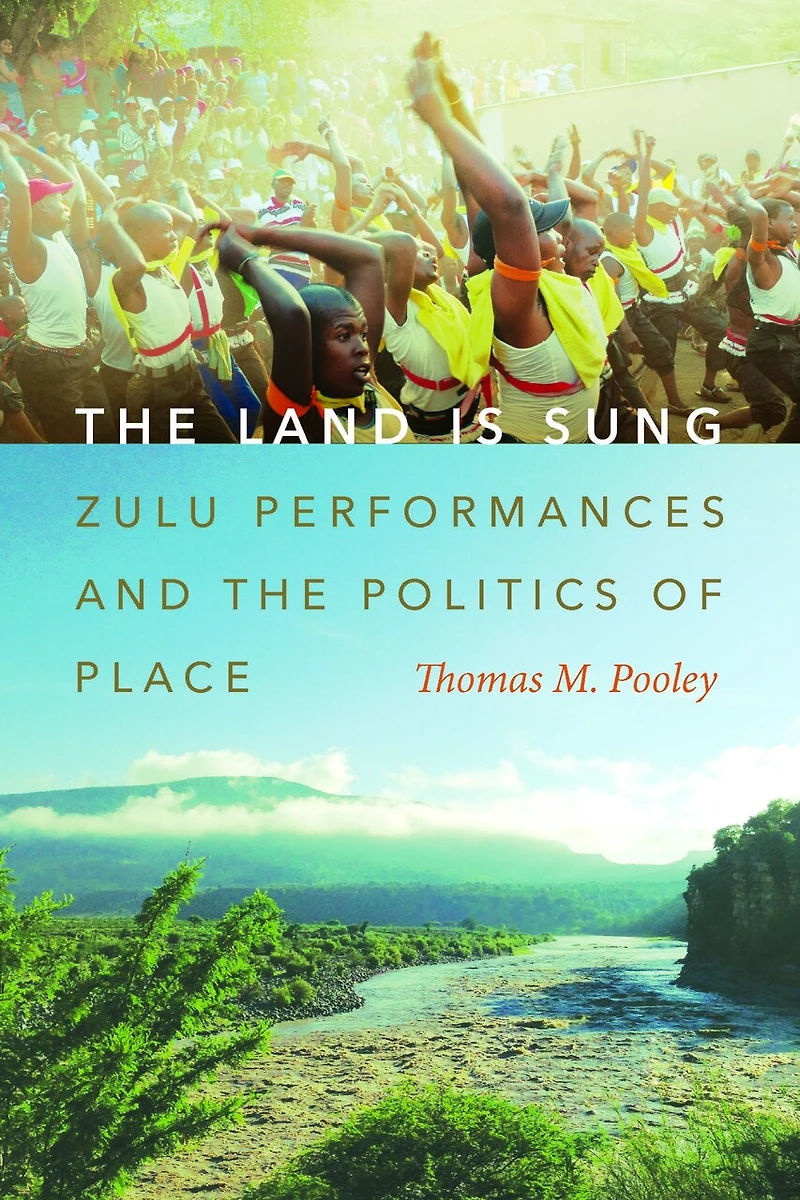
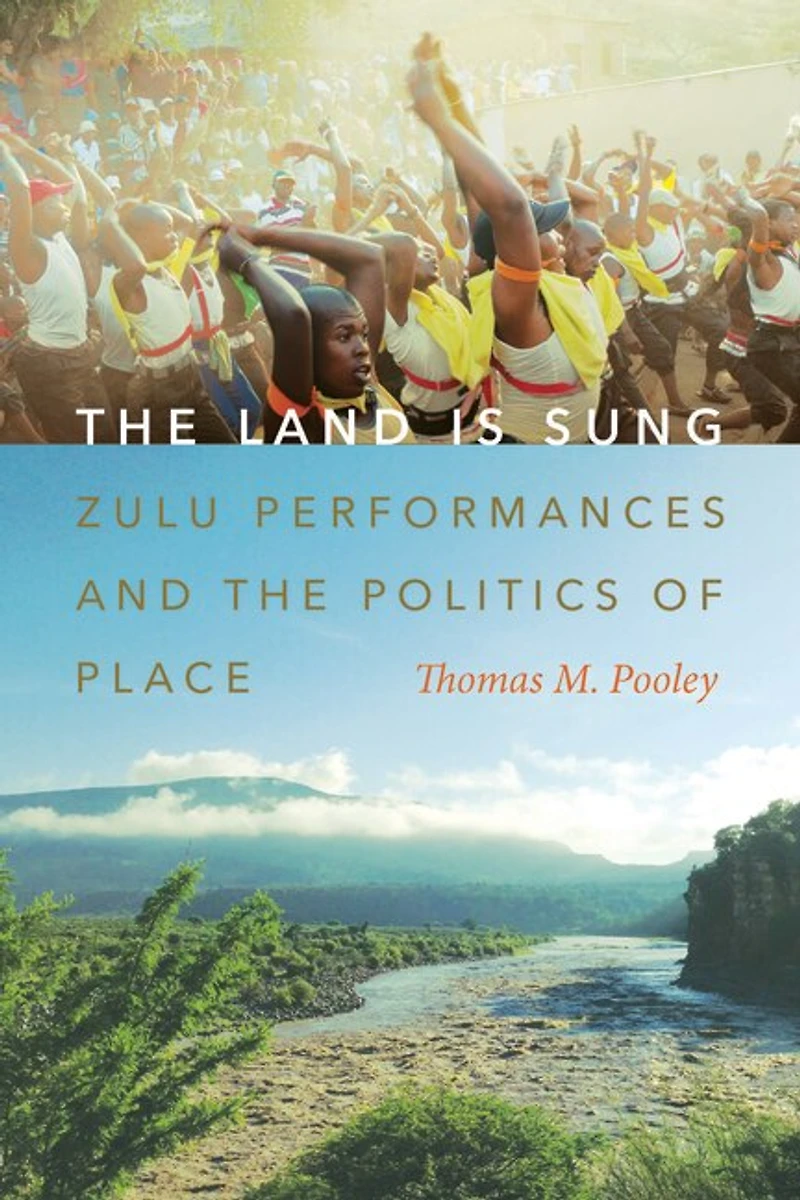
the Land Is Sung: Zulu Performances and Politics of Place
Current price: $123.95

the Land Is Sung: Zulu Performances and Politics of Place
Current price: $123.95
Loading Inventory...
Size: Hardcover
*Product information may vary - to confirm product availability, pricing, shipping and return information please contact Indigo
Ethnography on the politics of land and belonging in post apartheid Zulu performances
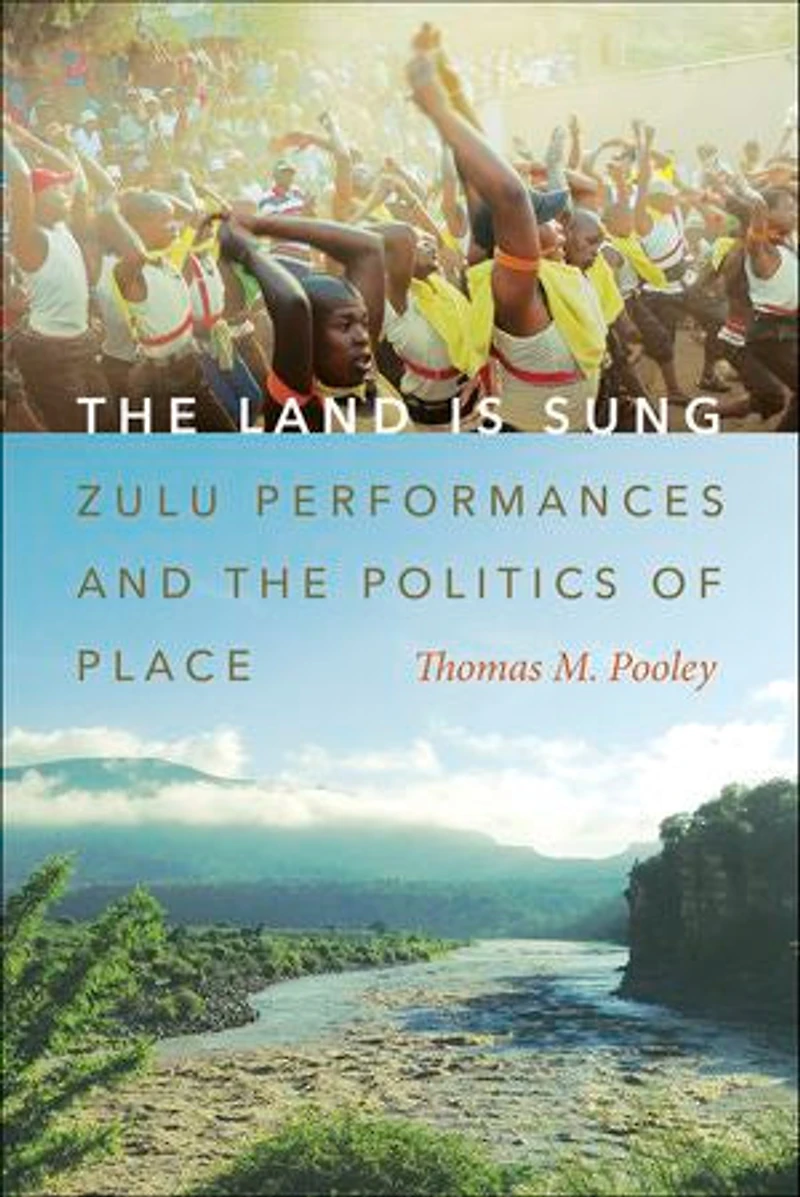
What does it mean to belong? In The Land is Sung , musicologist Thomas M. Pooley shows how performances of song, dance, and praise poetry connect Zulu communities to their ancestral homes and genealogies. For those without land tenure in the province of KwaZulu-Nata, performances articulate a sense of place. Migrants express their allegiances through performance and spiritual relationships to land are embodied in rituals that invoke ancestral connection while advancing well-being through intergenerational communication. Engaging with justice and environmental ethics, education and indigenous knowledge systems, musical and linguistic analysis, and the ethics of recording practice, Pooley's analysis draws on genres of music and dance recorded in the midlands and borderlands of South Africa, and in Johannesburg's inner city. His detailed sound writing captures the visceral experiences of performances in everyday life. The book is richly illustrated and there is a companion website featuring both video and audio examples.
Ethnography on the politics of land and belonging in post apartheid Zulu performances
What does it mean to belong? In The Land is Sung , musicologist Thomas M. Pooley shows how performances of song, dance, and praise poetry connect Zulu communities to their ancestral homes and genealogies. For those without land tenure in the province of KwaZulu-Nata, performances articulate a sense of place. Migrants express their allegiances through performance and spiritual relationships to land are embodied in rituals that invoke ancestral connection while advancing well-being through intergenerational communication. Engaging with justice and environmental ethics, education and indigenous knowledge systems, musical and linguistic analysis, and the ethics of recording practice, Pooley's analysis draws on genres of music and dance recorded in the midlands and borderlands of South Africa, and in Johannesburg's inner city. His detailed sound writing captures the visceral experiences of performances in everyday life. The book is richly illustrated and there is a companion website featuring both video and audio examples.
You May Also Like










More About Indigo at Erin Mills Town Centre
The largest book retailer in Canada also offers toys, music, home décor, gifts and lifestyle products. What's Inside...Books, Magazines, CD’s and DVD’s, Toys and Gifts, Home Accents, Electronics, Baby’s and Children’s Section, Bath and Body, Kitchen and Bedroom, Stationary Located outside in the exterior plaza.
5015 Glen Erin Dr, Mississauga, ON L5M 0R7, Canada
Find Indigo at Erin Mills Town Centre in Mississauga ON
Visit Indigo at Erin Mills Town Centre in Mississauga ON