

GIVE THE PERFECT GIFT
Erin Mills Town Centre Gift Cards are the perfect choice for your gift giving needs.Purchase gift cards at kiosks near the food court or centre court, at Guest Services, or click below to purchase online.PURCHASE HEREHome
the Last Empty Places: A Journey Through Blank Spots on American Map
Indigo
Loading Inventory...
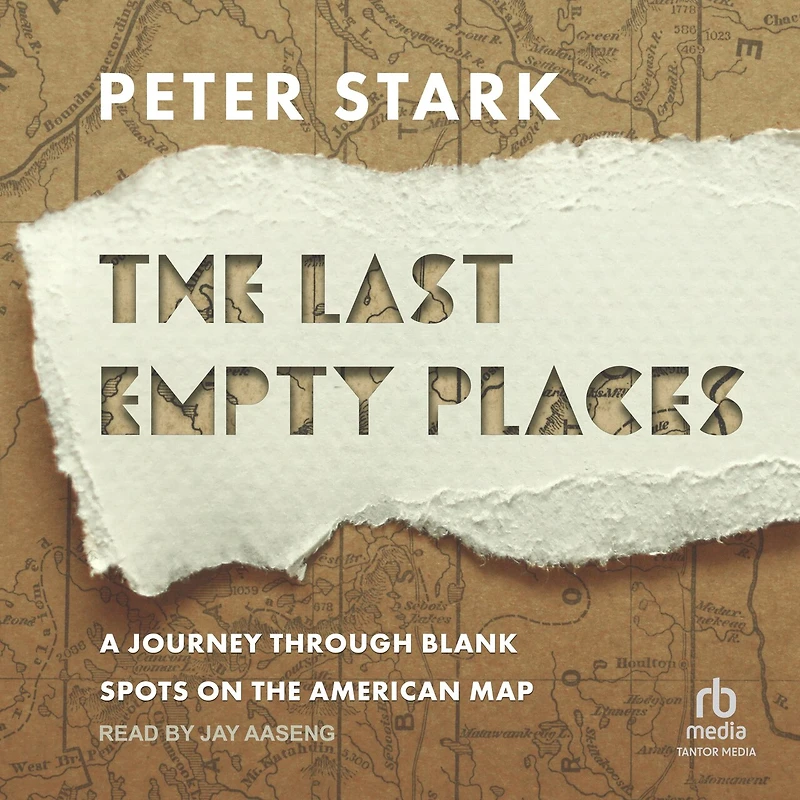
the Last Empty Places: A Journey Through Blank Spots on American Map
Current price: $64.95

the Last Empty Places: A Journey Through Blank Spots on American Map
Current price: $64.95
Loading Inventory...
Size: Audiobook (2023 A)
*Product information may vary - to confirm product availability, pricing, shipping and return information please contact Indigo
Part travel adventure, part history, part exploration In The Last Empty Places , bestselling author Peter Stark takes the listener to four of the most remote, wild, and unpopulated areas of the United States outside of Alaska, and mainly not part of protected wilderness: the rivers and forests of Northern Maine; the rugged, unpopulated region of Western Pennsylvania, that lies only a short distance from the East's big cities; the haunting canyons of Central New Mexico; and the vast, arid basins of Southeast Oregon. Stark discovers that the places he visits are only "blank" in terms of a lack of recorded history. In fact, each place holds layers of history, meaning, and intrinsic value and is far from being blank. He also finds that each region has played an important role in shaping our American idea of wilderness through the influential "natural philosophers" who visited these places and wrote about their experiences—Henry David Thoreau, William Bartram, John Muir, and Aldo Leopold. It's a fascinating look at the value of nature, the ways humans use and approach it, and what it means to seek out empty places in today's world.
Part travel adventure, part history, part exploration In The Last Empty Places , bestselling author Peter Stark takes the listener to four of the most remote, wild, and unpopulated areas of the United States outside of Alaska, and mainly not part of protected wilderness: the rivers and forests of Northern Maine; the rugged, unpopulated region of Western Pennsylvania, that lies only a short distance from the East's big cities; the haunting canyons of Central New Mexico; and the vast, arid basins of Southeast Oregon. Stark discovers that the places he visits are only "blank" in terms of a lack of recorded history. In fact, each place holds layers of history, meaning, and intrinsic value and is far from being blank. He also finds that each region has played an important role in shaping our American idea of wilderness through the influential "natural philosophers" who visited these places and wrote about their experiences—Henry David Thoreau, William Bartram, John Muir, and Aldo Leopold. It's a fascinating look at the value of nature, the ways humans use and approach it, and what it means to seek out empty places in today's world.
You May Also Like











More About Indigo at Erin Mills Town Centre
The largest book retailer in Canada also offers toys, music, home décor, gifts and lifestyle products. What's Inside...Books, Magazines, CD’s and DVD’s, Toys and Gifts, Home Accents, Electronics, Baby’s and Children’s Section, Bath and Body, Kitchen and Bedroom, Stationary Located outside in the exterior plaza.
5015 Glen Erin Dr, Mississauga, ON L5M 0R7, Canada
Find Indigo at Erin Mills Town Centre in Mississauga ON
Visit Indigo at Erin Mills Town Centre in Mississauga ON