

GIVE THE PERFECT GIFT
Erin Mills Town Centre Gift Cards are the perfect choice for your gift giving needs.Purchase gift cards at kiosks near the food court or centre court, at Guest Services, or click below to purchase online.PURCHASE HEREHome
the Law and Practice of International Criminal Court
Indigo
Loading Inventory...
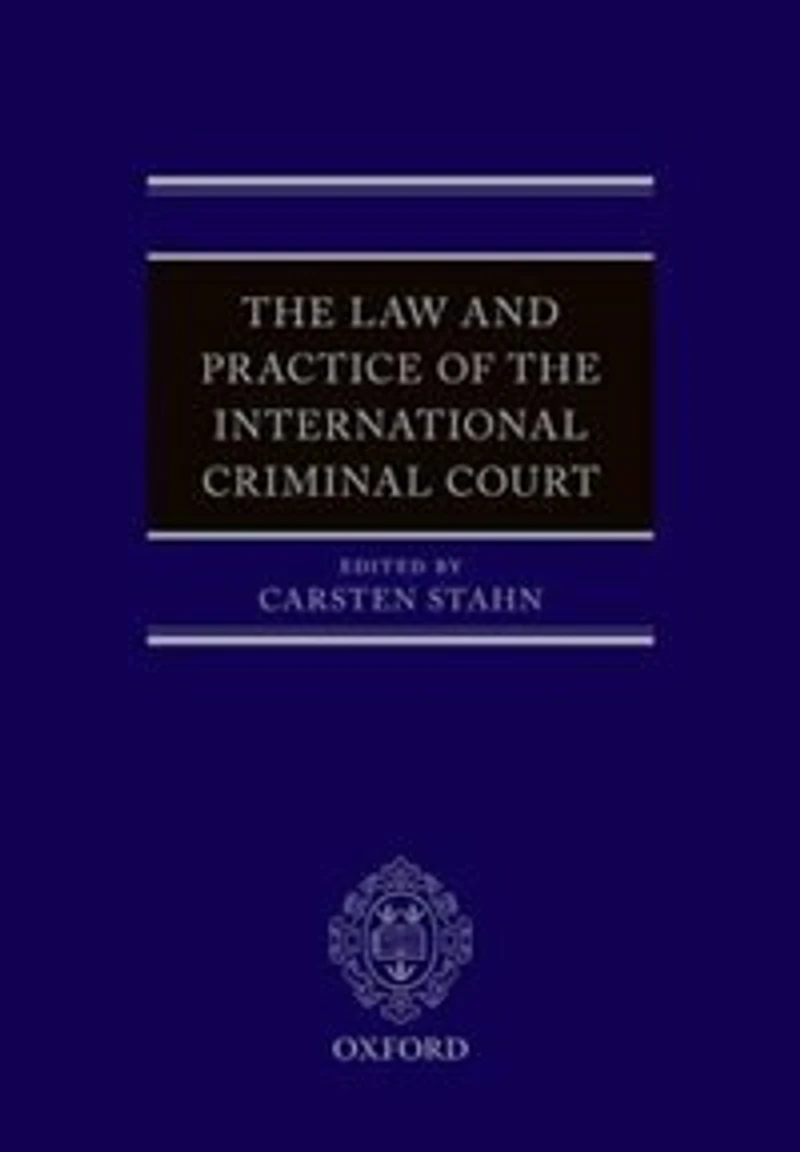
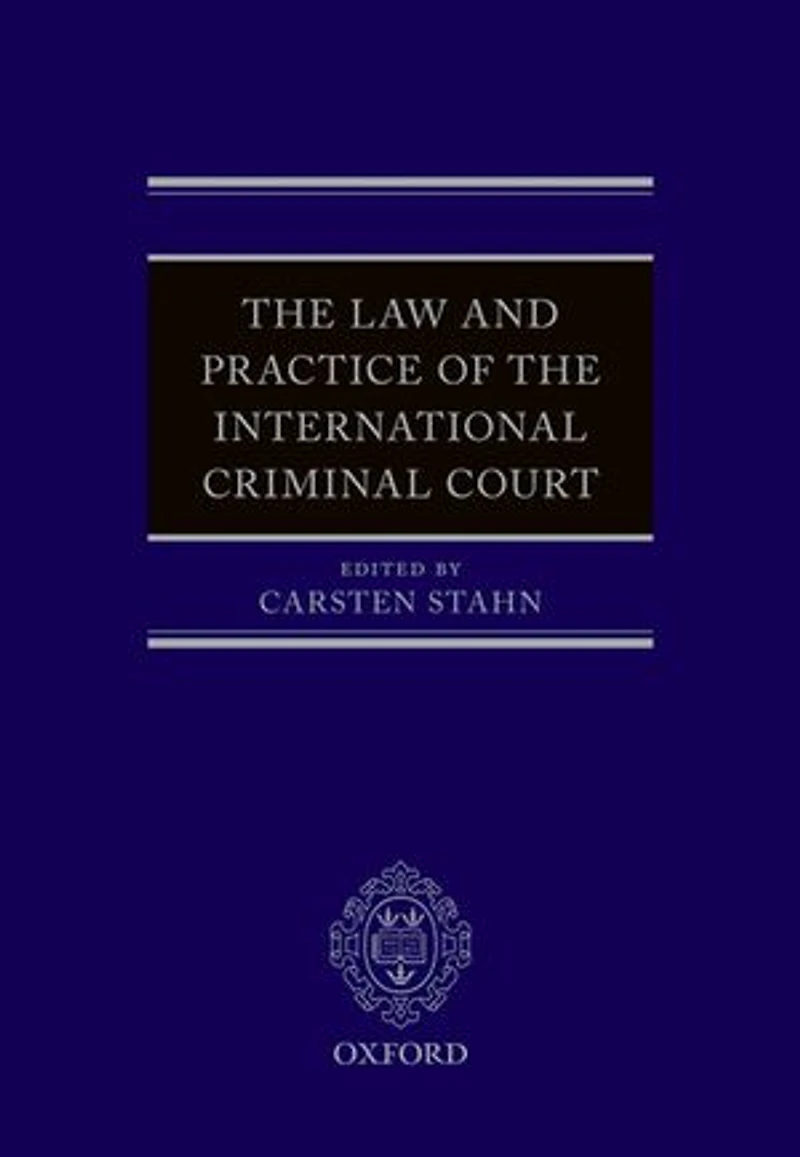
the Law and Practice of International Criminal Court
Current price: $504.00

the Law and Practice of International Criminal Court
Current price: $504.00
Loading Inventory...
Size: Hardcover
*Product information may vary - to confirm product availability, pricing, shipping and return information please contact Indigo
The International Criminal Court is a controversial and important body within international law; one that is significantly growing in importance, particularly as other international criminal tribunals close down. After a decade of Court practice, this book takes stock of the activities of the International Criminal Court, identifying the key issues in need of re-thinking or potential reform. It provides a systematic and in-depth thematic account of the law and practice of the Court, including its changes context, the challenges it faces, and its overall contribution to international criminal law. The book is written by over forty leading practitioners and scholars from both inside and outside the Court. They provide an unparallelled insight into the Court as an institution, its jurisprudence, the impact of its activities, and its future development.
The work addresses the ways in which the practice of the International Criminal Court has emerged, and identifies ways in which this practice could be refined or improved in future cases. The book is organised along six key themes: (i) the context of International Criminal Court investigations and prosecutions; (ii) the relationship of the Court to domestic jurisdictions; (iii) prosecutorial policy and practice; (iv) the applicable law; (v) fairness and expeditiousness of proceedings; and (vi) its impact and lessons learned. It shows the ways in which the Court has offered fresh perspectives on the theorization and conception of crimes, charges and individual criminal responsibility. It examines the procedural framework of the Court, including the functioning of different stages of proceedings. The Court's decisions have significant repercussions: on domestic law, criminal theory, and the law of other international courts and tribunals. In this context, the book assesses the extent to which specific approaches and assumptions, both positive and negative, regarding the potential impact of the Court are in need of re-thinking. This book will be essential reading for practitioners, scholars, and students of international criminal law.
The International Criminal Court is a controversial and important body within international law; one that is significantly growing in importance, particularly as other international criminal tribunals close down. After a decade of Court practice, this book takes stock of the activities of the International Criminal Court, identifying the key issues in need of re-thinking or potential reform. It provides a systematic and in-depth thematic account of the law and practice of the Court, including its changes context, the challenges it faces, and its overall contribution to international criminal law. The book is written by over forty leading practitioners and scholars from both inside and outside the Court. They provide an unparallelled insight into the Court as an institution, its jurisprudence, the impact of its activities, and its future development.
The work addresses the ways in which the practice of the International Criminal Court has emerged, and identifies ways in which this practice could be refined or improved in future cases. The book is organised along six key themes: (i) the context of International Criminal Court investigations and prosecutions; (ii) the relationship of the Court to domestic jurisdictions; (iii) prosecutorial policy and practice; (iv) the applicable law; (v) fairness and expeditiousness of proceedings; and (vi) its impact and lessons learned. It shows the ways in which the Court has offered fresh perspectives on the theorization and conception of crimes, charges and individual criminal responsibility. It examines the procedural framework of the Court, including the functioning of different stages of proceedings. The Court's decisions have significant repercussions: on domestic law, criminal theory, and the law of other international courts and tribunals. In this context, the book assesses the extent to which specific approaches and assumptions, both positive and negative, regarding the potential impact of the Court are in need of re-thinking. This book will be essential reading for practitioners, scholars, and students of international criminal law.
You May Also Like







More About Indigo at Erin Mills Town Centre
The largest book retailer in Canada also offers toys, music, home décor, gifts and lifestyle products. What's Inside...Books, Magazines, CD’s and DVD’s, Toys and Gifts, Home Accents, Electronics, Baby’s and Children’s Section, Bath and Body, Kitchen and Bedroom, Stationary Located outside in the exterior plaza.
5015 Glen Erin Dr, Mississauga, ON L5M 0R7, Canada
Find Indigo at Erin Mills Town Centre in Mississauga ON
Visit Indigo at Erin Mills Town Centre in Mississauga ON