

GIVE THE PERFECT GIFT
Erin Mills Town Centre Gift Cards are the perfect choice for your gift giving needs.Purchase gift cards at kiosks near the food court or centre court, at Guest Services, or click below to purchase online.PURCHASE HEREHome
the Letters Story: Narrative-Epistolary Fiction from Aphra Behn to Victorians
Indigo
Loading Inventory...
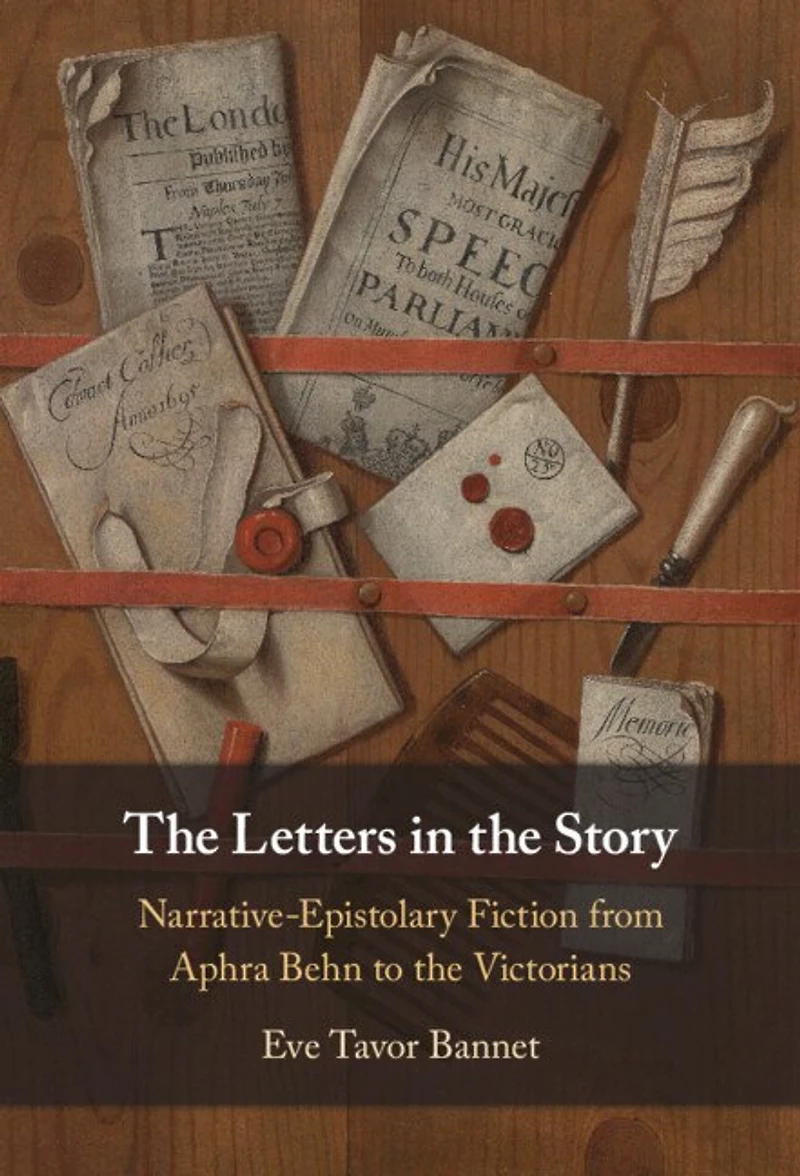
the Letters Story: Narrative-Epistolary Fiction from Aphra Behn to Victorians
Current price: $127.95

the Letters Story: Narrative-Epistolary Fiction from Aphra Behn to Victorians
Current price: $127.95
Loading Inventory...
Size: Hardcover
*Product information may vary - to confirm product availability, pricing, shipping and return information please contact Indigo
The long tradition of mixta-genera fiction, particularly favoured by women novelists, which combined fully-transcribed letters and third-person narrative has been largely overlooked in literary criticism. Working with recognized formal conventions and typical thematic concerns, Tavor Bannet demonstrates how narrative-epistolary novels opposed the real, situated, transactional and instrumental character of letters, with their multi-lateral relationships and temporally shifting readings, to merely documentary uses of letters in history and law. Analyzing issues of reading and misreading, knowledge and ignorance, communication and credulity, this study investigates how novelists adapted familiar romance plots centred on mysteries of identity to test the viability of empiricism's new culture of fact and challenge positivism's later all-pervading regime of truth. Close reading of narrative-epistolary novels by authors ranging from Aphra Behn and Charlotte Lennox to Frances Burney and Wilkie Collins tracks transgenerational debates, bringing to light both what Victorians took from their eighteenth-century forbears and what they changed.
The long tradition of mixta-genera fiction, particularly favoured by women novelists, which combined fully-transcribed letters and third-person narrative has been largely overlooked in literary criticism. Working with recognized formal conventions and typical thematic concerns, Tavor Bannet demonstrates how narrative-epistolary novels opposed the real, situated, transactional and instrumental character of letters, with their multi-lateral relationships and temporally shifting readings, to merely documentary uses of letters in history and law. Analyzing issues of reading and misreading, knowledge and ignorance, communication and credulity, this study investigates how novelists adapted familiar romance plots centred on mysteries of identity to test the viability of empiricism's new culture of fact and challenge positivism's later all-pervading regime of truth. Close reading of narrative-epistolary novels by authors ranging from Aphra Behn and Charlotte Lennox to Frances Burney and Wilkie Collins tracks transgenerational debates, bringing to light both what Victorians took from their eighteenth-century forbears and what they changed.
You May Also Like







More About Indigo at Erin Mills Town Centre
The largest book retailer in Canada also offers toys, music, home décor, gifts and lifestyle products. What's Inside...Books, Magazines, CD’s and DVD’s, Toys and Gifts, Home Accents, Electronics, Baby’s and Children’s Section, Bath and Body, Kitchen and Bedroom, Stationary Located outside in the exterior plaza.
5015 Glen Erin Dr, Mississauga, ON L5M 0R7, Canada
Find Indigo at Erin Mills Town Centre in Mississauga ON
Visit Indigo at Erin Mills Town Centre in Mississauga ON