

GIVE THE PERFECT GIFT
Erin Mills Town Centre Gift Cards are the perfect choice for your gift giving needs.Purchase gift cards at kiosks near the food court or centre court, at Guest Services, or click below to purchase online.PURCHASE HEREHome
The Lion and the Elephant
Indigo
Loading Inventory...
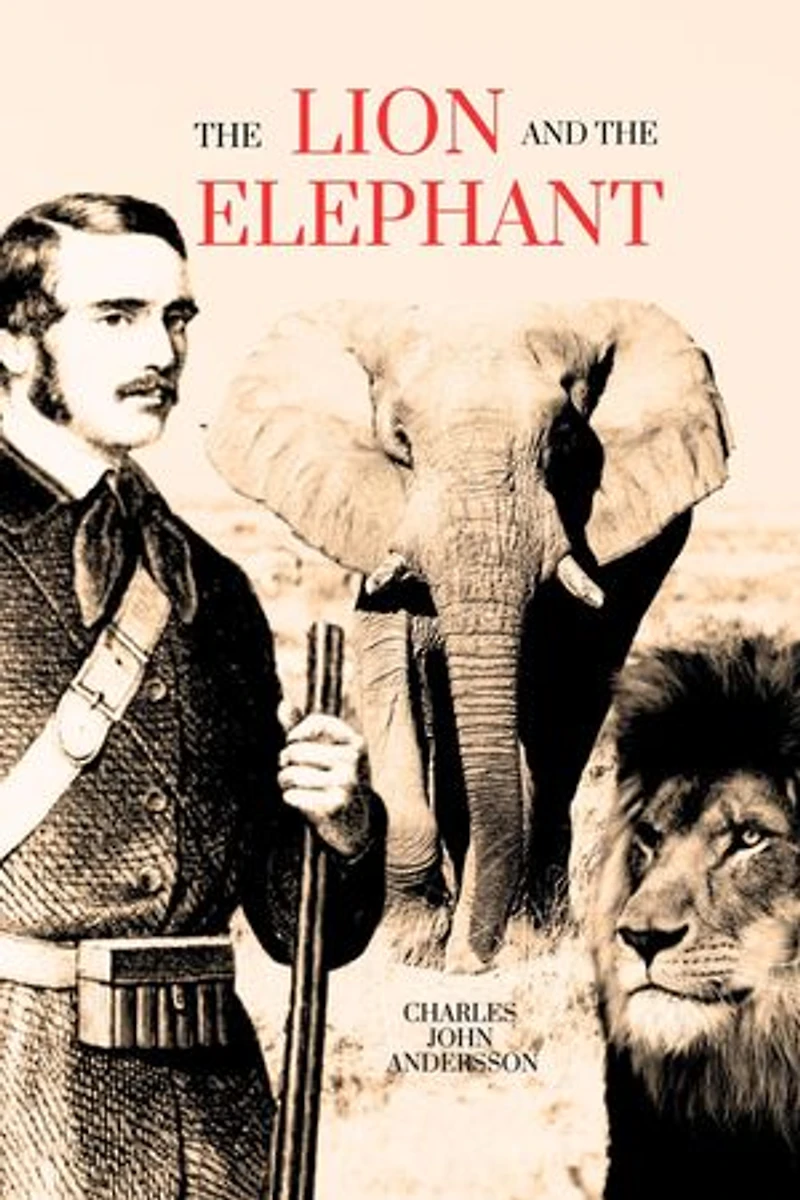
The Lion and the Elephant
Current price: $8.99
Original price: $9.99

The Lion and the Elephant
Current price: $8.99
Original price: $9.99
Loading Inventory...
Size: Kobo eBook
*Product information may vary - to confirm product availability, pricing, shipping and return information please contact Indigo
"I and my Hottentots have killed eight hundred elephants." -Charles Andersson
"Trodden on by elephants, ripped up by the horn of a rhinoceros, suffering hunger and thirst, our author has survived all these dangers to write us a very interesting book." -The Rambler, 1856
"Charles Andersson was attacked and crushed to death by a wounded elephant...his passion for hunting led him into needless dangers." - New American Cyclopaedia, 1857
" As a martyr, Mr. Andersson is entitled to the sympathy of his readers." - North American Review, 1862
The late Charles John Andersson, the well-known big game hunter and explorer in Africa, and author of "Lake Ngami" and " The Okovango River," ended his days miserably, as so many other enterprising men had done before him, in the wilds of that continent, brought to an untimely end by the very game which he hunted. Andersson left behind him voluminous papers and notes on the hunting of the lion and elephant which were published in his famous 1873 book "The Lion and the Elephant."
Karl John (Karl Johan) Andersson (1827-1867) was an explorer, hunter and trader as well as an amateur naturalist and ornithologist, most famous for the many books he published about his travels, and for being one of the most notable explorers of southern Africa, mostly in present-day Namibia. He often needed to earn money through trade and hunting.
In 1850 Andersson arrived at the Cape of Good Hope and then travelled to Walvis Bay, in modern-day Namibia. They then trekked into the interior, at the time little explored by Europeans. They intended to reach Lake Ngami, but failed on that expedition. In 1855 he returned to London, where he published his book "Lake Ngami", in which he describes his travels. He returned to Africa the same year.
Back in south west Africa, Andersson was hired as manager for mines in what was then called Damaraland and Namaqualand. However, he only held the position for a brief time, and continued his explorations. In 1859 he reached the Okavango River, an expedition that he recorded in his book The Okavango River.
Andersson's "The Lion and the Elephant" is a collection of his writings on his experiences and knowledge of hunting lions and elephants during his explorations and expeditions in Africa.
In describing one attack by a lion, Andersson writes:
"The lion had watched him to his fireside, and he had scarcely lain down when the brute sprang upon him with his appalling murderous roar, and roaring as he lay, grappled him with his fearful claws... John Stofolus had lain with his back to the fire on the opposite side, and on hearing the lion he sprang up, and, seizing a large flaming brand belaboured him on the head..."
In describing a run-in with a rhinoceros, Andersson writes:
"I took up a stone and hurled it at her with all my force; when, snorting horribly, and raising clouds of dust with her feet, she rushed at me with fearful fury.... She laid me prostrate...and trampled on me with great violence ...."
"I and my Hottentots have killed eight hundred elephants." -Charles Andersson
"Trodden on by elephants, ripped up by the horn of a rhinoceros, suffering hunger and thirst, our author has survived all these dangers to write us a very interesting book." -The Rambler, 1856
"Charles Andersson was attacked and crushed to death by a wounded elephant...his passion for hunting led him into needless dangers." - New American Cyclopaedia, 1857
" As a martyr, Mr. Andersson is entitled to the sympathy of his readers." - North American Review, 1862
The late Charles John Andersson, the well-known big game hunter and explorer in Africa, and author of "Lake Ngami" and " The Okovango River," ended his days miserably, as so many other enterprising men had done before him, in the wilds of that continent, brought to an untimely end by the very game which he hunted. Andersson left behind him voluminous papers and notes on the hunting of the lion and elephant which were published in his famous 1873 book "The Lion and the Elephant."
Karl John (Karl Johan) Andersson (1827-1867) was an explorer, hunter and trader as well as an amateur naturalist and ornithologist, most famous for the many books he published about his travels, and for being one of the most notable explorers of southern Africa, mostly in present-day Namibia. He often needed to earn money through trade and hunting.
In 1850 Andersson arrived at the Cape of Good Hope and then travelled to Walvis Bay, in modern-day Namibia. They then trekked into the interior, at the time little explored by Europeans. They intended to reach Lake Ngami, but failed on that expedition. In 1855 he returned to London, where he published his book "Lake Ngami", in which he describes his travels. He returned to Africa the same year.
Back in south west Africa, Andersson was hired as manager for mines in what was then called Damaraland and Namaqualand. However, he only held the position for a brief time, and continued his explorations. In 1859 he reached the Okavango River, an expedition that he recorded in his book The Okavango River.
Andersson's "The Lion and the Elephant" is a collection of his writings on his experiences and knowledge of hunting lions and elephants during his explorations and expeditions in Africa.
In describing one attack by a lion, Andersson writes:
"The lion had watched him to his fireside, and he had scarcely lain down when the brute sprang upon him with his appalling murderous roar, and roaring as he lay, grappled him with his fearful claws... John Stofolus had lain with his back to the fire on the opposite side, and on hearing the lion he sprang up, and, seizing a large flaming brand belaboured him on the head..."
In describing a run-in with a rhinoceros, Andersson writes:
"I took up a stone and hurled it at her with all my force; when, snorting horribly, and raising clouds of dust with her feet, she rushed at me with fearful fury.... She laid me prostrate...and trampled on me with great violence ...."
You May Also Like








More About Indigo at Erin Mills Town Centre
The largest book retailer in Canada also offers toys, music, home décor, gifts and lifestyle products. What's Inside...Books, Magazines, CD’s and DVD’s, Toys and Gifts, Home Accents, Electronics, Baby’s and Children’s Section, Bath and Body, Kitchen and Bedroom, Stationary Located outside in the exterior plaza.
5015 Glen Erin Dr, Mississauga, ON L5M 0R7, Canada
Find Indigo at Erin Mills Town Centre in Mississauga ON
Visit Indigo at Erin Mills Town Centre in Mississauga ON