

GIVE THE PERFECT GIFT
Erin Mills Town Centre Gift Cards are the perfect choice for your gift giving needs.Purchase gift cards at kiosks near the food court or centre court, at Guest Services, or click below to purchase online.PURCHASE HEREHome
The Liverworts and Hornworts of Colombia and Ecuador
Indigo
Loading Inventory...
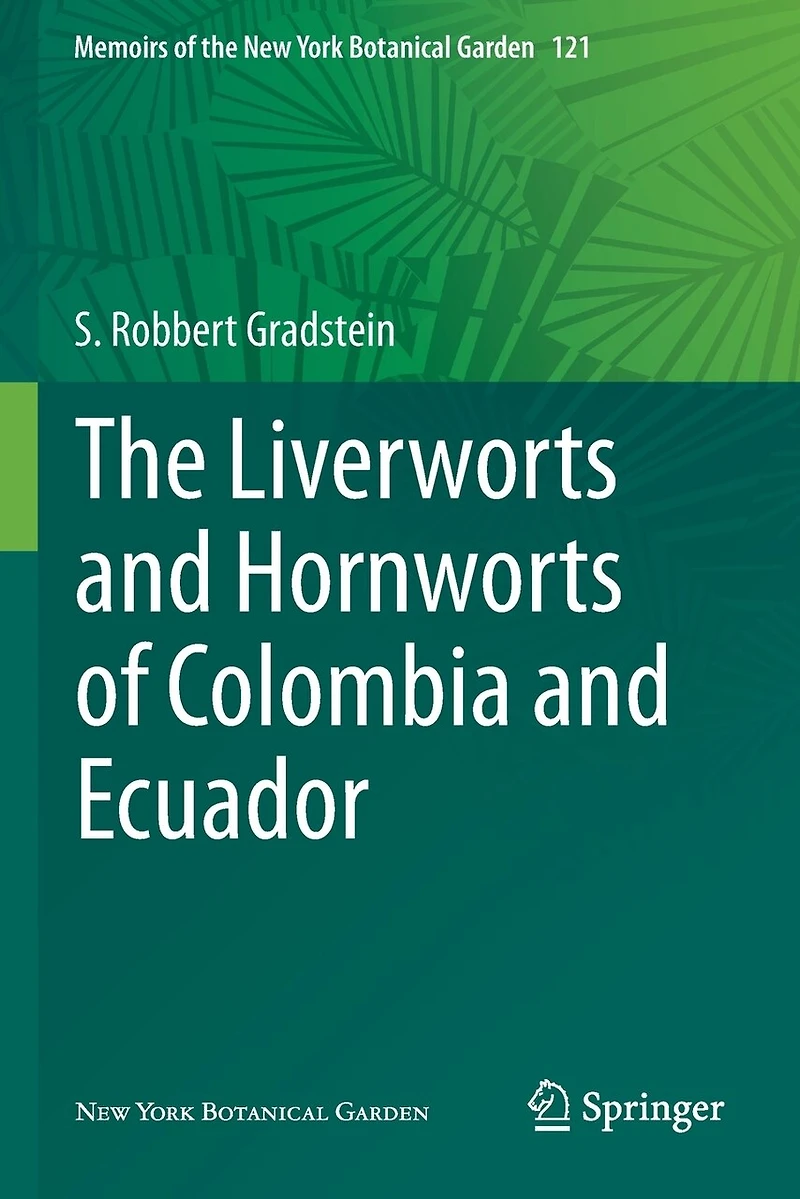
The Liverworts and Hornworts of Colombia and Ecuador
Current price: $437.95

The Liverworts and Hornworts of Colombia and Ecuador
Current price: $437.95
Loading Inventory...
Size: Paperback
*Product information may vary - to confirm product availability, pricing, shipping and return information please contact Indigo
This book provides keys, descriptions and illustrations for about 850 species of liverworts and hornworts, in 148 genera and 47 families, of Colombia and Ecuador. The largest genera are Lejeunea (66 spp.), Plagiochila (65), Frullania (54), Radula (33), Metzgeria (33), Cololejeunea (32), Cheilolejeunea (30), Bazzania (26), Drepanolejeunea (25), Ceratolejeunea (18), Diplasiolejeunea (18), and Syzygiella (18). Species descriptions include brief morphological characterization and discussion with emphasis on characters for identification, world range as well as distribution and habitat in Colombia and Ecuador. Classes, orders, families and genera are also described and the main features for recognition of the genera are briefly discussed. The introduction includes chapters on history of exploration, diversity and endemism, and classification. A glossary, bibliography and index to scientific names are alsoprovided.
This book provides keys, descriptions and illustrations for about 850 species of liverworts and hornworts, in 148 genera and 47 families, of Colombia and Ecuador. The largest genera are Lejeunea (66 spp.), Plagiochila (65), Frullania (54), Radula (33), Metzgeria (33), Cololejeunea (32), Cheilolejeunea (30), Bazzania (26), Drepanolejeunea (25), Ceratolejeunea (18), Diplasiolejeunea (18), and Syzygiella (18). Species descriptions include brief morphological characterization and discussion with emphasis on characters for identification, world range as well as distribution and habitat in Colombia and Ecuador. Classes, orders, families and genera are also described and the main features for recognition of the genera are briefly discussed. The introduction includes chapters on history of exploration, diversity and endemism, and classification. A glossary, bibliography and index to scientific names are alsoprovided.
You May Also Like











More About Indigo at Erin Mills Town Centre
The largest book retailer in Canada also offers toys, music, home décor, gifts and lifestyle products. What's Inside...Books, Magazines, CD’s and DVD’s, Toys and Gifts, Home Accents, Electronics, Baby’s and Children’s Section, Bath and Body, Kitchen and Bedroom, Stationary Located outside in the exterior plaza.
5015 Glen Erin Dr, Mississauga, ON L5M 0R7, Canada
Find Indigo at Erin Mills Town Centre in Mississauga ON
Visit Indigo at Erin Mills Town Centre in Mississauga ON