

GIVE THE PERFECT GIFT
Erin Mills Town Centre Gift Cards are the perfect choice for your gift giving needs.Purchase gift cards at kiosks near the food court or centre court, at Guest Services, or click below to purchase online.PURCHASE HEREHome
The Lives and Opinions of Eminent Philosophers
Indigo
Loading Inventory...
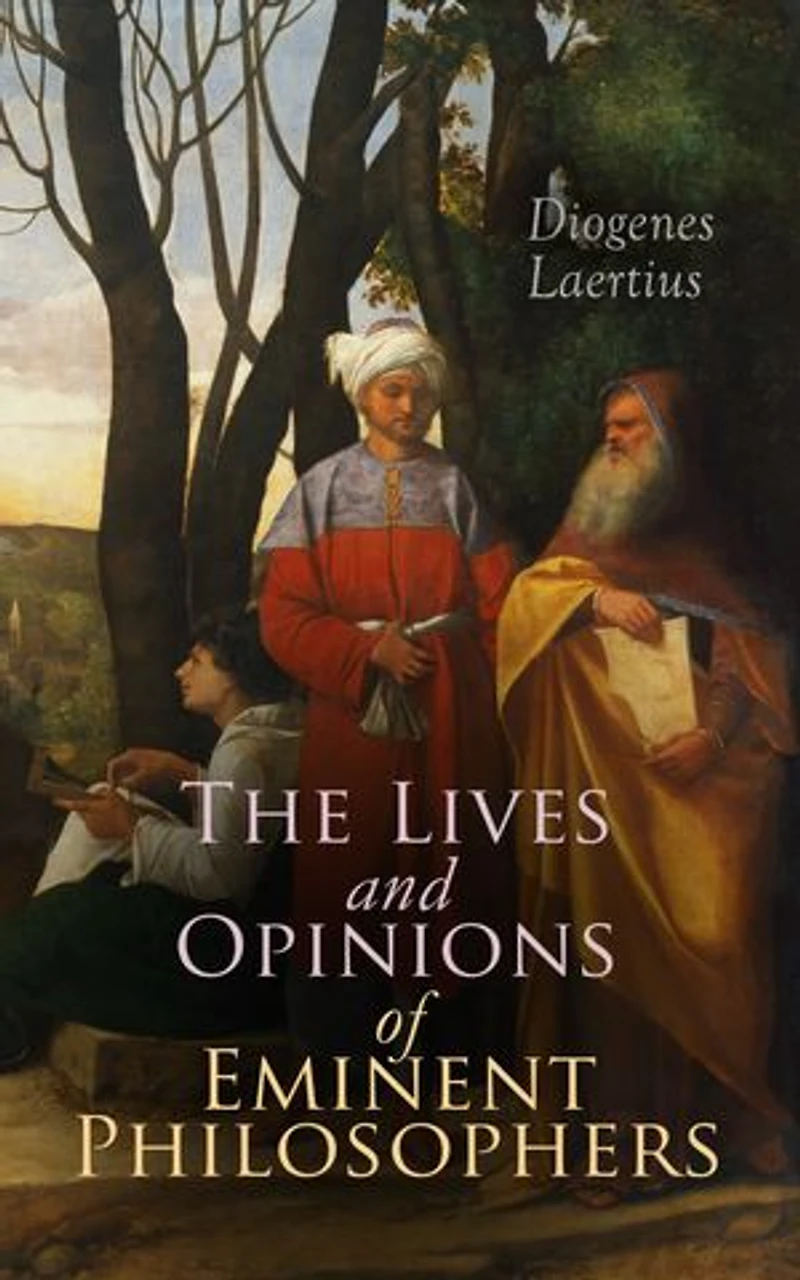
The Lives and Opinions of Eminent Philosophers
Current price: $1.99

The Lives and Opinions of Eminent Philosophers
Current price: $1.99
Loading Inventory...
Size: Kobo eBook
*Product information may vary - to confirm product availability, pricing, shipping and return information please contact Indigo
Lives and Opinions of Eminent Philosophers is a biography of the Greek philosophers by Diogenes Laërtius, written in Greek, probably in the first half of the third century AD. The book professes to give an account of the lives and sayings of the Greek philosophers. Laërtius treats his subject in two divisions which he describes as the Ionian and the Italian schools. The biographies of the former begin with Anaximander, and end with Clitomachus, Theophrastus and Chrysippus; the latter begins with Pythagoras, and ends with Epicurus. The Socratic school, with its various branches, is classed with the Ionic; while the Eleatics and sceptics are treated under the Italic. He also includes his own poetic verse, albeit pedestrian, about the philosophers he discusses.
Lives and Opinions of Eminent Philosophers is a biography of the Greek philosophers by Diogenes Laërtius, written in Greek, probably in the first half of the third century AD. The book professes to give an account of the lives and sayings of the Greek philosophers. Laërtius treats his subject in two divisions which he describes as the Ionian and the Italian schools. The biographies of the former begin with Anaximander, and end with Clitomachus, Theophrastus and Chrysippus; the latter begins with Pythagoras, and ends with Epicurus. The Socratic school, with its various branches, is classed with the Ionic; while the Eleatics and sceptics are treated under the Italic. He also includes his own poetic verse, albeit pedestrian, about the philosophers he discusses.
You May Also Like







More About Indigo at Erin Mills Town Centre
The largest book retailer in Canada also offers toys, music, home décor, gifts and lifestyle products. What's Inside...Books, Magazines, CD’s and DVD’s, Toys and Gifts, Home Accents, Electronics, Baby’s and Children’s Section, Bath and Body, Kitchen and Bedroom, Stationary Located outside in the exterior plaza.
5015 Glen Erin Dr, Mississauga, ON L5M 0R7, Canada
Find Indigo at Erin Mills Town Centre in Mississauga ON
Visit Indigo at Erin Mills Town Centre in Mississauga ON