

GIVE THE PERFECT GIFT
Erin Mills Town Centre Gift Cards are the perfect choice for your gift giving needs.Purchase gift cards at kiosks near the food court or centre court, at Guest Services, or click below to purchase online.PURCHASE HEREHome
The Making of the Northwest Forest Plan: The Wild Science of Saving Old Growth Ecosystems
Indigo
Loading Inventory...
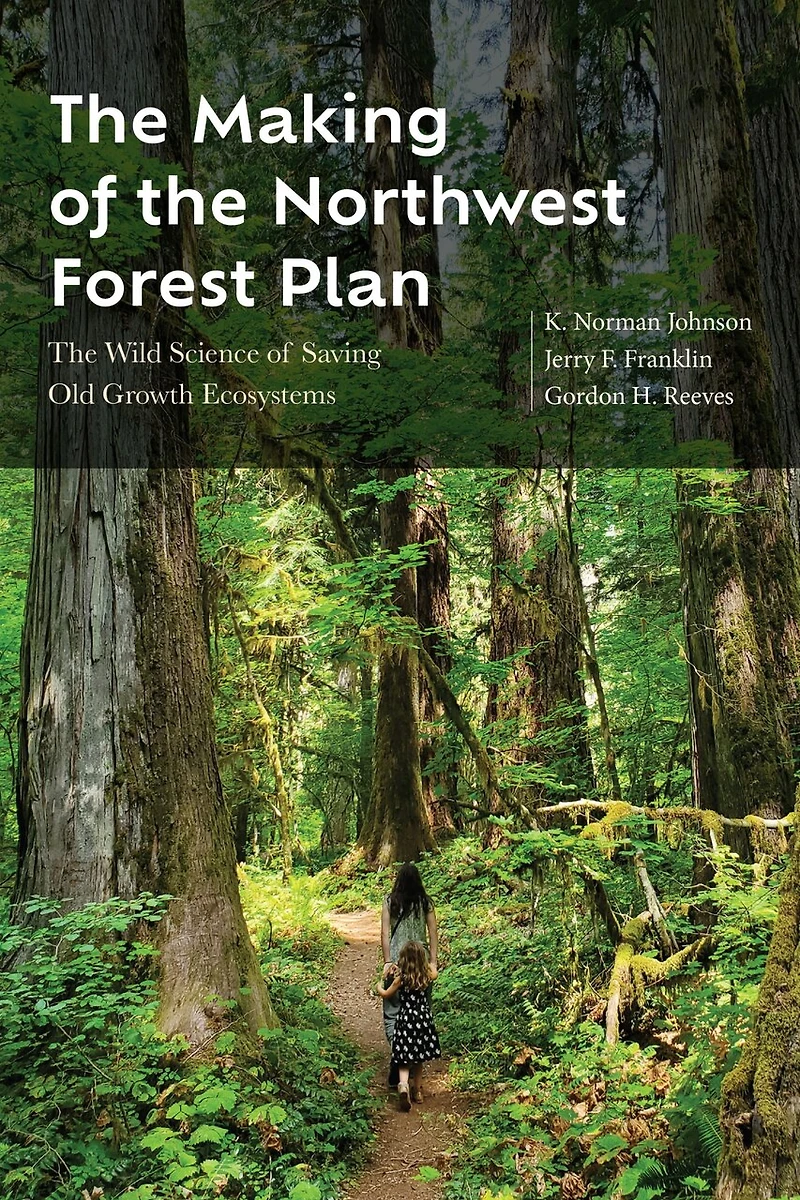
The Making of the Northwest Forest Plan: The Wild Science of Saving Old Growth Ecosystems
Current price: $52.00

The Making of the Northwest Forest Plan: The Wild Science of Saving Old Growth Ecosystems
Current price: $52.00
Loading Inventory...
Size: Paperback
*Product information may vary - to confirm product availability, pricing, shipping and return information please contact Indigo
Tree sitters. Logger protests. Dying timber towns. An iconic species on the brink. The Timber Wars consumed the Pacific Northwest in the late 1980s and early 1990s and led political leaders to ask scientists for a solution. The Northwest Forest Plan was the result.
For most of the twentieth century, the central theme of federal forest management in the Pacific Northwest had been logging old-growth forests to provide a sustained yield of timber. During the 1970s and 1980s, however, studies by young scientists highlighted the destructive impact of that logging on northern spotted owls, salmon, and the old-growth ecosystem itself. Combining this new science with environmental laws like the Endangered Species Act, environmental activists obtained court injunctions to stop old-growth logging on federal land, setting off a titanic struggle to meet conservation imperatives while also enabling the timber harvests that provided employment for tens of thousands of people. That effort led to the creation of the Northwest Forest Plan, which sharply and abruptly shifted the goal of federal forest management toward conserving the species and ecosystems of old-growth forests and the streams that run through them.
In this book, three of the scientists who helped craft that change tell the story as they know it: the causes, development, adoption, and effects of the Northwest Forest Plan. The book also incorporates short commentaries and histories from key figures-including spotted owl expert Eric Forsman-and experiences from managers who implemented the plan as best they could. Legal expert Susan Jane M. Brown helped interpret court cases and Debora Johnson turned spatial data into maps. The final chapters cover the plan's ongoing significance and recommendations for conserving forest and aquatic ecosystems in an era of megafires and climate change.
Tree sitters. Logger protests. Dying timber towns. An iconic species on the brink. The Timber Wars consumed the Pacific Northwest in the late 1980s and early 1990s and led political leaders to ask scientists for a solution. The Northwest Forest Plan was the result.
For most of the twentieth century, the central theme of federal forest management in the Pacific Northwest had been logging old-growth forests to provide a sustained yield of timber. During the 1970s and 1980s, however, studies by young scientists highlighted the destructive impact of that logging on northern spotted owls, salmon, and the old-growth ecosystem itself. Combining this new science with environmental laws like the Endangered Species Act, environmental activists obtained court injunctions to stop old-growth logging on federal land, setting off a titanic struggle to meet conservation imperatives while also enabling the timber harvests that provided employment for tens of thousands of people. That effort led to the creation of the Northwest Forest Plan, which sharply and abruptly shifted the goal of federal forest management toward conserving the species and ecosystems of old-growth forests and the streams that run through them.
In this book, three of the scientists who helped craft that change tell the story as they know it: the causes, development, adoption, and effects of the Northwest Forest Plan. The book also incorporates short commentaries and histories from key figures-including spotted owl expert Eric Forsman-and experiences from managers who implemented the plan as best they could. Legal expert Susan Jane M. Brown helped interpret court cases and Debora Johnson turned spatial data into maps. The final chapters cover the plan's ongoing significance and recommendations for conserving forest and aquatic ecosystems in an era of megafires and climate change.
You May Also Like














More About Indigo at Erin Mills Town Centre
The largest book retailer in Canada also offers toys, music, home décor, gifts and lifestyle products. What's Inside...Books, Magazines, CD’s and DVD’s, Toys and Gifts, Home Accents, Electronics, Baby’s and Children’s Section, Bath and Body, Kitchen and Bedroom, Stationary Located outside in the exterior plaza.
5015 Glen Erin Dr, Mississauga, ON L5M 0R7, Canada
Find Indigo at Erin Mills Town Centre in Mississauga ON
Visit Indigo at Erin Mills Town Centre in Mississauga ON