

GIVE THE PERFECT GIFT
Erin Mills Town Centre Gift Cards are the perfect choice for your gift giving needs.Purchase gift cards at kiosks near the food court or centre court, at Guest Services, or click below to purchase online.PURCHASE HEREHome
The Maronites: Origins of an Antiochene Church Volume 243
Indigo
Loading Inventory...
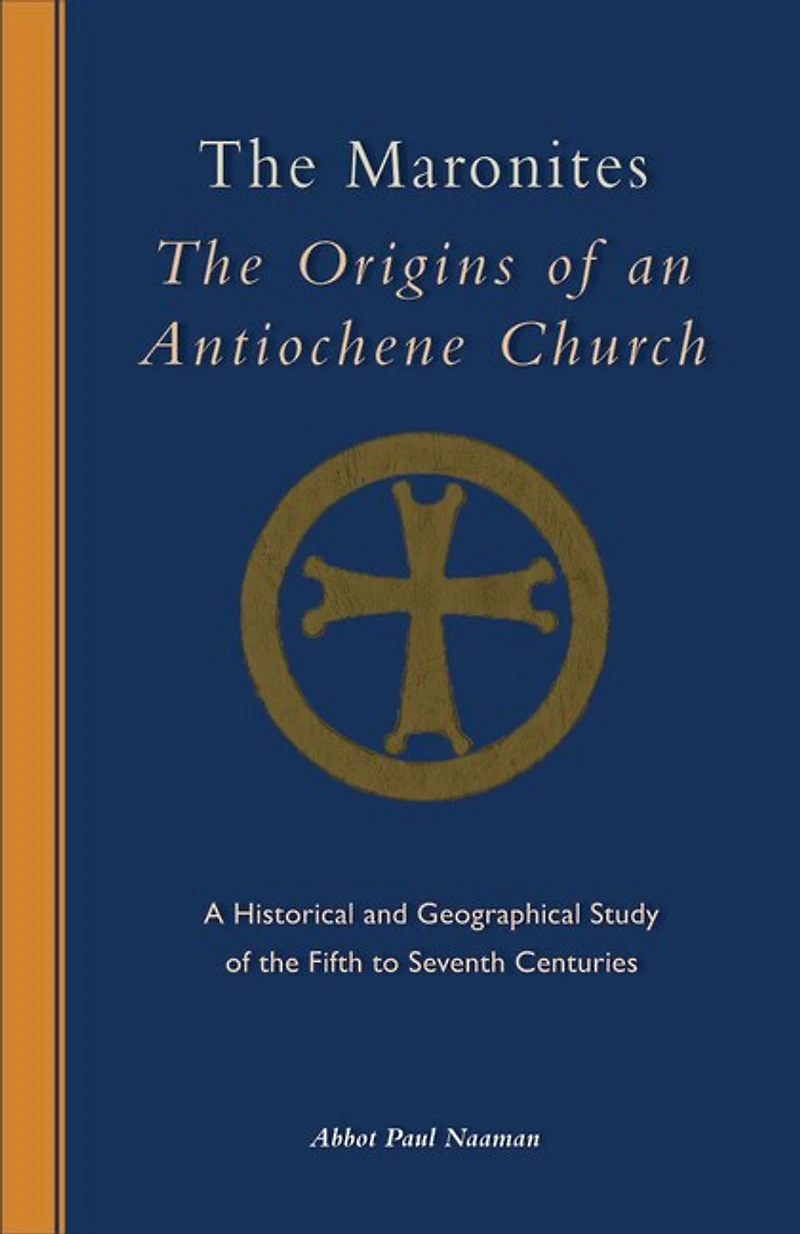
The Maronites: Origins of an Antiochene Church Volume 243
Current price: $38.95

The Maronites: Origins of an Antiochene Church Volume 243
Current price: $38.95
Loading Inventory...
Size: Paperback
*Product information may vary - to confirm product availability, pricing, shipping and return information please contact Indigo
The Maronite Church is one of twenty-two Eastern Catholic Churches in communion with the Pope of Rome. Her patriarch is in Lebanon. Forty-three bishops and approximately five million faithful make up her presence throughout the world. The story of Maron, a fifth-century hermit-priest, and the community gathered around him, later called the Maronites, tells another fascinating story of the monastic and missionary movements of the Church. Maron's story takes place in the context of Syrian monasticism, which was a combination of both solitary and communal life, and is a narrative of Christians of the Middle East as they navigated the rough seas of political divisions and ecclesiastical controversies from the fourth to the ninth centuries. Abbot Paul Naaman, a Maronite scholar and former Superior General of the Order of Lebanese Maronite Monks, wisely places the study of the origins of the Maronite Church squarely in the midst of the history of the Church. His book, The Maronites: The Origins of an Antiochene Church , published during the sixteenth centenary of Maron's death, offers plausible insights into her formation and early development, grounding the Maronite Church in her Catholic, Antiochian, Syriac, and monastic roots. Abbot Paul Naaman is a Maronite scholar and former Superior General of the Order of Lebanese Maronite Monks.
The Maronite Church is one of twenty-two Eastern Catholic Churches in communion with the Pope of Rome. Her patriarch is in Lebanon. Forty-three bishops and approximately five million faithful make up her presence throughout the world. The story of Maron, a fifth-century hermit-priest, and the community gathered around him, later called the Maronites, tells another fascinating story of the monastic and missionary movements of the Church. Maron's story takes place in the context of Syrian monasticism, which was a combination of both solitary and communal life, and is a narrative of Christians of the Middle East as they navigated the rough seas of political divisions and ecclesiastical controversies from the fourth to the ninth centuries. Abbot Paul Naaman, a Maronite scholar and former Superior General of the Order of Lebanese Maronite Monks, wisely places the study of the origins of the Maronite Church squarely in the midst of the history of the Church. His book, The Maronites: The Origins of an Antiochene Church , published during the sixteenth centenary of Maron's death, offers plausible insights into her formation and early development, grounding the Maronite Church in her Catholic, Antiochian, Syriac, and monastic roots. Abbot Paul Naaman is a Maronite scholar and former Superior General of the Order of Lebanese Maronite Monks.
You May Also Like








More About Indigo at Erin Mills Town Centre
The largest book retailer in Canada also offers toys, music, home décor, gifts and lifestyle products. What's Inside...Books, Magazines, CD’s and DVD’s, Toys and Gifts, Home Accents, Electronics, Baby’s and Children’s Section, Bath and Body, Kitchen and Bedroom, Stationary Located outside in the exterior plaza.
5015 Glen Erin Dr, Mississauga, ON L5M 0R7, Canada
Find Indigo at Erin Mills Town Centre in Mississauga ON
Visit Indigo at Erin Mills Town Centre in Mississauga ON