

GIVE THE PERFECT GIFT
Erin Mills Town Centre Gift Cards are the perfect choice for your gift giving needs.Purchase gift cards at kiosks near the food court or centre court, at Guest Services, or click below to purchase online.PURCHASE HEREHome
The Meaning of Movement: Embodied Developmental, Clinical, and Cultural Perspectives of the Kestenberg Movement Profile
Indigo
Loading Inventory...
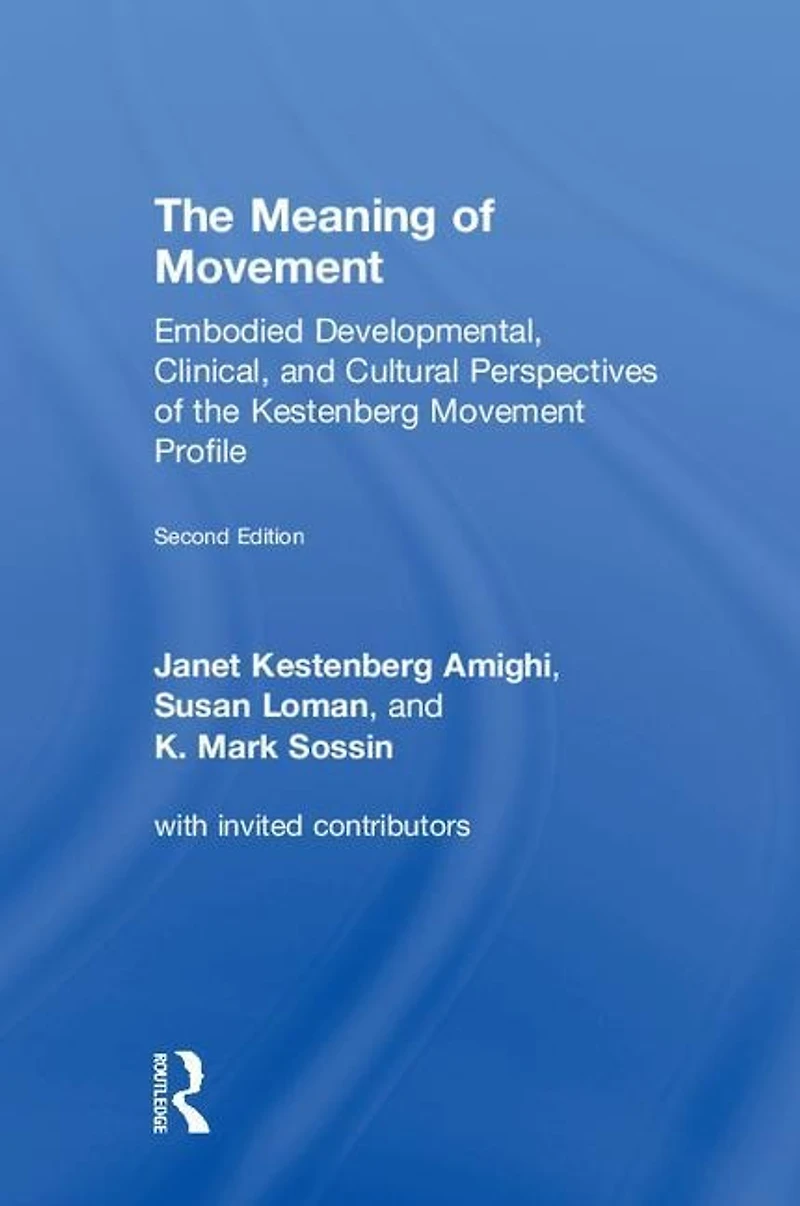
The Meaning of Movement: Embodied Developmental, Clinical, and Cultural Perspectives of the Kestenberg Movement Profile
Current price: $281.50

The Meaning of Movement: Embodied Developmental, Clinical, and Cultural Perspectives of the Kestenberg Movement Profile
Current price: $281.50
Loading Inventory...
Size: Hardcover
*Product information may vary - to confirm product availability, pricing, shipping and return information please contact Indigo
The new edition of The Meaning of Movement serves as a guide to instruction in the Kestenberg Movement Profile (KMP) and as the system's foremost reference book, sourcebook, and authoritative compendium. This thoroughly updated volume interweaves current developmental science, cultural perspectives, and KMP-derived theory and methods for research and techniques for clinical practice. Through the well-established KMP, clinicians and researchers in the realms of nonverbal behavior and body movement can inform and enrich their psychological interpretations of movement. Interdisciplinary specialists gain a way to study the embodiment of cognition, affects, learning styles, and interpersonal relations based on observation and analysis of basic qualities of movement.
The new edition of The Meaning of Movement serves as a guide to instruction in the Kestenberg Movement Profile (KMP) and as the system's foremost reference book, sourcebook, and authoritative compendium. This thoroughly updated volume interweaves current developmental science, cultural perspectives, and KMP-derived theory and methods for research and techniques for clinical practice. Through the well-established KMP, clinicians and researchers in the realms of nonverbal behavior and body movement can inform and enrich their psychological interpretations of movement. Interdisciplinary specialists gain a way to study the embodiment of cognition, affects, learning styles, and interpersonal relations based on observation and analysis of basic qualities of movement.
You May Also Like













More About Indigo at Erin Mills Town Centre
The largest book retailer in Canada also offers toys, music, home décor, gifts and lifestyle products. What's Inside...Books, Magazines, CD’s and DVD’s, Toys and Gifts, Home Accents, Electronics, Baby’s and Children’s Section, Bath and Body, Kitchen and Bedroom, Stationary Located outside in the exterior plaza.
5015 Glen Erin Dr, Mississauga, ON L5M 0R7, Canada
Find Indigo at Erin Mills Town Centre in Mississauga ON
Visit Indigo at Erin Mills Town Centre in Mississauga ON