

GIVE THE PERFECT GIFT
Erin Mills Town Centre Gift Cards are the perfect choice for your gift giving needs.Purchase gift cards at kiosks near the food court or centre court, at Guest Services, or click below to purchase online.PURCHASE HEREHome
The Mediations of Super-exploitation: A Methodological Proposal for Understanding New Dependency
Indigo
Loading Inventory...
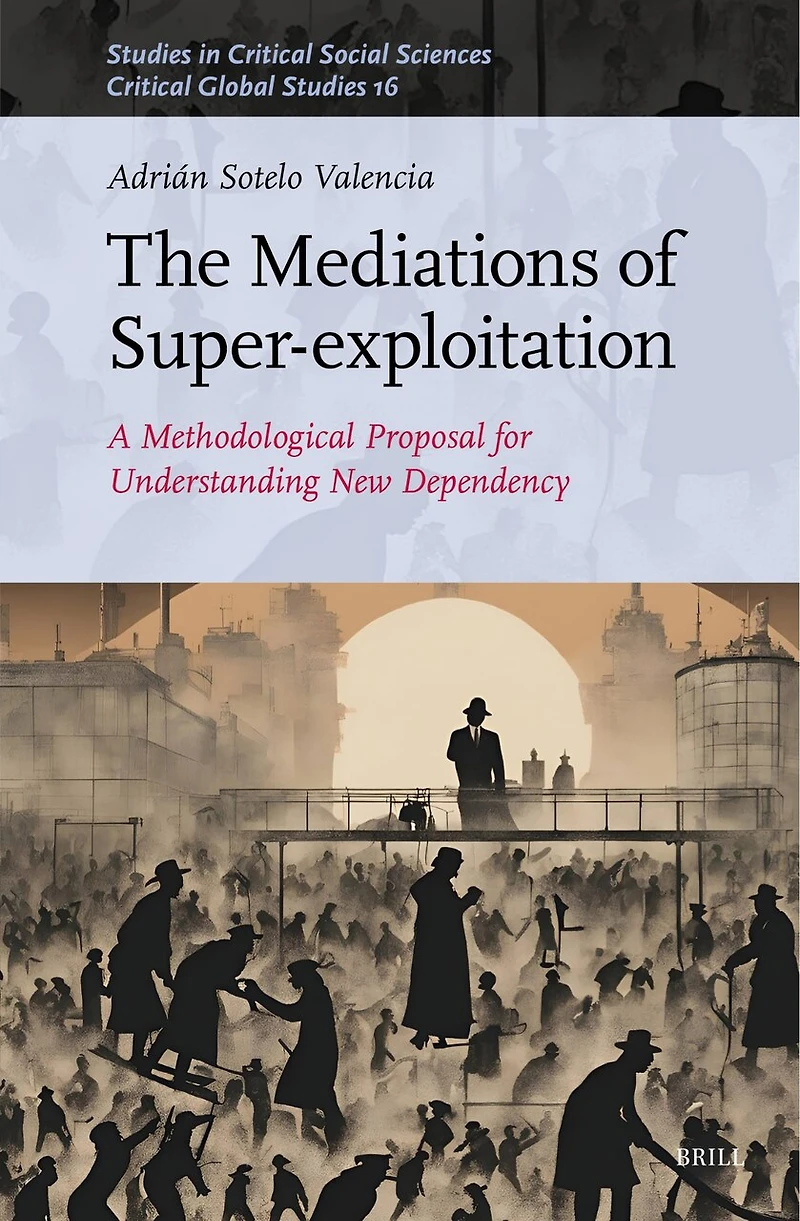
The Mediations of Super-exploitation: A Methodological Proposal for Understanding New Dependency
Current price: $188.99

The Mediations of Super-exploitation: A Methodological Proposal for Understanding New Dependency
Current price: $188.99
Loading Inventory...
Size: Hardcover
*Product information may vary - to confirm product availability, pricing, shipping and return information please contact Indigo
This work by Mexican theorist Adrián Sotelo Valencia succinctly analyses the process of super-exploitation in the present day context of the Fourth Industrial Revolution. Drawing upon methodological insights from Hungarian Marxist István Mészáros, Brazilian Marxist Ruy Mauro Marini, and others, Sotelo demonstrates the pivotal importance of analysing second order mediations as he builds an innovative, expanded model of structural dependency. The result is a more holistic, dialectical grasp of the contradictory dynamics of contemporary imperialism where Capital globally deploys technology for automation in an unsustainable drive for profit that displaces labor and increasingly threatens the reproduction of the global labor force. Empirical evidence presented throughout this work serves to reinforce its powerful, updated articulation of Marxist Dependency Theory.
This work by Mexican theorist Adrián Sotelo Valencia succinctly analyses the process of super-exploitation in the present day context of the Fourth Industrial Revolution. Drawing upon methodological insights from Hungarian Marxist István Mészáros, Brazilian Marxist Ruy Mauro Marini, and others, Sotelo demonstrates the pivotal importance of analysing second order mediations as he builds an innovative, expanded model of structural dependency. The result is a more holistic, dialectical grasp of the contradictory dynamics of contemporary imperialism where Capital globally deploys technology for automation in an unsustainable drive for profit that displaces labor and increasingly threatens the reproduction of the global labor force. Empirical evidence presented throughout this work serves to reinforce its powerful, updated articulation of Marxist Dependency Theory.
You May Also Like








More About Indigo at Erin Mills Town Centre
The largest book retailer in Canada also offers toys, music, home décor, gifts and lifestyle products. What's Inside...Books, Magazines, CD’s and DVD’s, Toys and Gifts, Home Accents, Electronics, Baby’s and Children’s Section, Bath and Body, Kitchen and Bedroom, Stationary Located outside in the exterior plaza.
5015 Glen Erin Dr, Mississauga, ON L5M 0R7, Canada
Find Indigo at Erin Mills Town Centre in Mississauga ON
Visit Indigo at Erin Mills Town Centre in Mississauga ON